

The snowshoe cat is a medium-large hybrid of the Siamese and American shorthair breeds that originated in the United States. The name "snowshoe" refers to the cat's four distinctive white paws. Their other colorpoint markings resemble those of a Siamese, and their personality is similar, too.
Many cats have four white paws, but the snowshoe is a very rare breed that almost went extinct. These friendly, loving, and devoted cats make great family pets because they get along with everyone, including children and other animals.
Learn more about the snowshoe cat, including the breed’s history, care needs, and temperament.
Other Name: Silver Laces
Personality: Affectionate, sociable, confident but needy of attention, intelligent, playful
Weight: Up to 12 pounds
Length: Up to 30 inches
Coat Length: Short
Coat Colors: Light body with darker blue or sable points (ears, mask, legs, and tail); white chest, paws, and parts of face
Coat Patterns: Colorpoint
Eye Color: Blue
Lifespan: Up to 15 years
Hypoallergenic: No
Origin: United States
Snowshoes are known for having a similar personality to the Siamese, which is half of their ancestry. They are generally affectionate and bond strongly with their humans. Confident, intelligent, and sociable, they tend to use their loud voices to demand attention and "talk" with their family.
These cats also have some personality traits that are similar to those of a dog. They prefer being near you, usually pick one person to bond deeply with, and don’t like to be left alone.
Known for their willingness to make friends with other cats and friendly dogs, snowshoe cats can thrive in a multi-pet household, but they will likely "speak up" to get the playtime or cuddles they deserve.
The snowshoe cat breed began in the 1960s when Dorothy Hinds-Daugherty, an American breeder of Siamese cats, discovered three kittens in one of her litters that each had four white paws. The paws, combined with the striking Siamese colorpoint pattern, delighted Hinds-Daugherty. She decided to cross these Siamese kittens with American shorthair cats with tuxedo markings in an attempt to develop the snowshoe breed.
Vikki Olander eventually took over the Snowshoe breeding program, and was the only breeder in the U.S. by the late 1970s. The breed nearly went extinct at that time, but other breeders showed interest and they were able to keep it going.
The breed has since grown in popularity. It was recognized in 1982 by the Cat Fanciers' Association and in 1994 by The International Cat Association.
Public interest in the breed was piqued by the late Grumpy Cat, a snowshoe cross, who gained celebrity status as a social media star in 2012. While she had distinct snowshoe colors and markings, Grumpy Cat's glum-looking features were considered a result of dwarfism and were not characteristic of the breed.
Snowshoe cats are easy to care for when it comes to grooming, but these are smart and active pets who require a lot of attention and playtime. Provide a variety of toys for mental and physical exercise, high perches for climbing, and, of course, soft places for your cat to nap in between all the action.
The snowshoe cat breed requires minimal maintenance when it comes to grooming. They are a short-haired variety and are known for being very clean. They will shed somewhat, but a once-weekly rub-over with a rubber grooming brush should be enough to keep any dead hairs at bay.
In addition to brushing your cat’s fur, trim their claws regularly to keep them healthy and prevent scratches, and brush their teeth to help keep their teeth and gums as healthy as possible.
Snowshoes, like their Siamese relatives, are clever and curious. They enjoy surveying their territory from high vantage points, such as the tops of cat trees, to spy an opportunity for adventure or someone ready to play. Your snowshoe will appreciate an environment with plenty of toys and willing game participants to avoid boredom.
Snowshoe cats also love water. You might find your cat pawing at the water in their fountain or bowl, or asking you to turn the faucet on so they can play with the water that way. Beyond that, however, these cats also like to actually be in the water, so you can let them play in a shallow amount of water in your bathtub.
Since they are so smart, snowshoes are relatively easy to train, whether they’re taught to play fetch, walk on a leash, or even open doors. Teaching simple tricks and commands to your cat using positive reinforcement training methods can increase the bond between you and help to keep your cat stimulated—both mentally and physically.
So far, in their brief breed history, snowshoes have proven to be pretty healthy cats. However, they might be prone to the following:
Due to their Siamese genetics, crossed eyes and kinked tails will occasionally crop up in a litter, but these traits are not painful or debilitating.
Snowshoes are medium to large cats with a soft, robust appearance. Their heads tend to be rather round with large eyes and slightly rounded ears. Between their eyes, they can have white fur that forms an upside-down V.
The ideal snowshoe breed standard calls for distinctly darker pointing on the ears, tails, legs, and top of the face. The chest, paws, and lower part of the face should be white, and the eyes a bright shade of blue.
Coat shade and markings vary across the breed. The pattern is determined by a recessive gene, so it can be difficult to achieve consistency. Interestingly, the breed is born white, and their darker pointing only begins to develop as they mature. It’s also normal for the coat to darken as they get older.
Snowshoes, like all cats, fare well on a high-quality meat-based diet as they are obligate carnivores. The food must contain a sufficient quantity of the amino acid taurine, which is found in animal-based proteins. If your cat becomes deficient in taurine, which can happen from eating dog food or plant-based foods, they can suffer potentially life-threatening eye and heart problems.
Because snowshoe cats are rare, they are expensive. A snowshoe cat might cost $1,500 or more.
You should always do your research when you are thinking about welcoming a new kitten into your home. Seek out a reputable breeder who is raising the kittens alongside their mother in a home environment where they are receiving the right socialization and care.
Also because the breed is rare, there are not so many breeders to choose from, and you may need to travel farther or go on a waiting list.
While snowshoe cats may be a little aloof with strangers, they develop strong attachments to people they get to know. They enjoy being with their human family as much as possible and can become depressed if left alone for long.
They happily adapt to homes with other cats, respectful children, and gentle dogs (providing introductions are performed properly). Despite their soft and cuddly appearance, though, snowshoe cats can be a bit bossy with other pets—usually all in good fun.
If you enjoy quiet tranquility, think twice before bringing home a snowshoe cat. Like their Siamese relatives, they are particularly vocal and like to be heard. They communicate with a variety of meows. Their volume levels are softer and less jarring than the Siamese, some even call it a mellow or melodious sound, but they are notorious noise-makers nonetheless.
If you’re interested in similar breeds, check out:
Otherwise, check out all of our other cat breed profiles.
Snowshoes are cuddly and enjoy human contact, so they don't mind being held or napping on laps.
The snowshoe breed is a hybrid (mix) of the Siamese and American shorthair breeds, and they share many traits with their Siamese ancestors.
The snowshoe is one of the rarest cat breeds. It nearly went extinct in the 1970s and is still hard to find today.
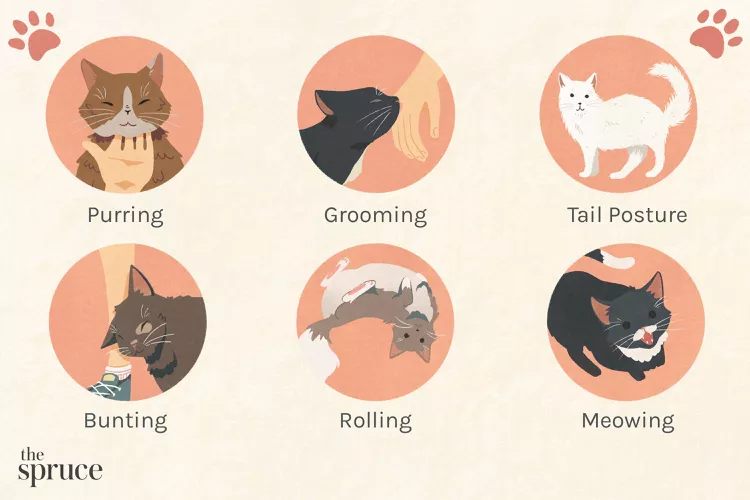
How Cats Show They Love You
Cats show their love in many ways and it usually involves body language and other behaviors. Find out if your cat is trying to tell you they love you.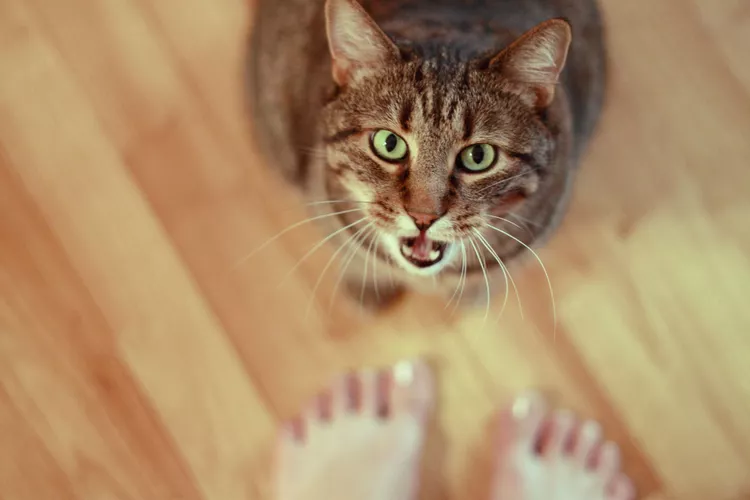
Why Your Cat Is Meowing So Much—and Other Ways They Seek Your Attention
Attention-seeking behavior in cats and excessive vocalization often go hand-in-hand. Learn about the types and causes of these behaviors.
Why Do Cats Groom and Lick Themselves So Often?
Cats may spend as much as half their time grooming and licking themselves. What leads to this behavior, and how does it help your cat?
Why Does My Cat Scratch the Floor After Eating?
Many cats paw at the floor or bury their food. It's a natural behavior, but it's easy to modify.
How to Stop a Cat from Spraying
Urine spraying, or marking, is different than urinating outside of the litter box. Learn about why cats will urine spray and what to do about it.
Do Cats Cry When They Are Sad or in Pain?
Cats don't cry the way people do. Your cat can produce tears, but not ones of sadness. Explore the truth behind a cat's emotions and what those tears mean.
How to Train Your Cat to Not Be Mean
Learn about mean cats and angry cat behavior. Understand why cats sometimes hate hugs and learn steps to make cats happy (or happier).
How to Crate Train Your Cat
Crate training is not just for dogs. Follow these steps to train your cat to the crate so you can have less stressful car rides and vet visits.
Why Cats Stare at You While You Sleep and How to Stop It
Cats are known to stare at humans while they sleep. Find out why and how to stop it.
How to Stop Your Cat From Tracking Litter and Poop
While they're generally clean animals, sometimes cats get poop on their paws, and track litter outside the box. Learn how to stop this behavior.
Is My Cat Happy?
Cats tell us that they are happy by vocalizing their pleasure, showing their moods by their body language, and plainly acting happy.
How to Stop Your Cat From Pooping in the Sink or Bathtub
It's frustrating and unpleasant when your cat defecates in the sink or tub, but you can stop the unwanted behavior with some of these techniques.
22 Weird Cat Behaviors You're Not Sure About
Explore 22 weird cat behaviors and why they do them. Many are methods of cat communication, from winking to bunting, rolling, sneering, and kneading.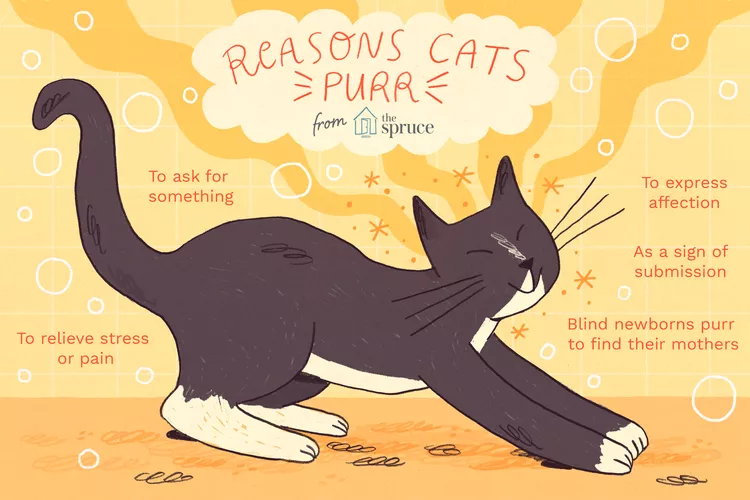
Understanding the Purring of Cats
Get a better understanding of variations on cat purring. Cats purr to communicate and even have special purrs.
What Is Scruffing in Cats?
Learn more about the origins of cat scruffing and why you should not be scruffing your cat.
Understanding How Cats Speak Through Ear Movements
Cat owners can learn "cat talk" and get a deeper understanding of how cats use their cat ears to communicate different emotions.
Safe Solutions for Indoor Cats That Want to Go Outside
Cat lovers who want their cats to enjoy fresh air and sunshine often feel guilt by confining their cats to the indoors. Here are safe compromises.
How to Discipline Your Cat the Right Way
Cats are mischievous but sometimes they also misbehave. Learn how to safely and effectively discipline a cat and positively change their behavior.
How to Stop Cats From Biting and Scratching
Cats learn to bite and scratch as kittens and may need to be retrained when they grow older. These behaviors can be changed with time and patience.
Reasons Why a Cat Doesn't Meow
When a cat doesn't meow, it is often just natural behavior, but when its silence is accompanied by other symptoms, have a vet examine your pet.
Top 10 Big House Cats
Larger cat breeds, like Maine coons and savannahs, deserve just as much love as their petite counterparts. These big house cats tip the scales.
Toyger: Cat Breed Profile, Characteristics & Care
The toyger (toy tiger) cat is a beautiful, rare breed with an easygoing demeanor. These cats are hard to come by but make excellent pets.
Elf Cat: Breed Profile, Characteristics & Care
Elf cats are a new, rare cross between a sphynx and American curl with curly ears and a playful personality.
American Wirehair: Breed Profile, Characteristics & Care
The rare American wirehair breed has a distinctive wiry coat and quiet, gentle demeanor. Learn about the American wirehair breed.
Turkish Angora: Cat Breed Profile, Characteristics & Care
The elegant and silky Turkish Angora cat is a playful, affectionate, and sometimes mischievous pet. Learn about the Turkish Angora breed.
Himalayan: Cat Breed Profile, Characteristics & Care
Himalayan cats—crosses of Persian and Siamese breeds—are sweet felines with silky hair. They're great pets if you're willing to care for their coat.
Ocicat: Breed Profile, Characteristics & Care
The ocicat has wild markings, but it is a completely domestic cat that loves to socialize and play. Learn about the ocicat breed.
10 Popular Cat Breeds for Many Types of Households
Discover 10 of the most popular cat breeds, including the Maine coon and ragdoll. Learn which types of cats are right for your lifestyle.
9 Calmest Cat Breeds for Laid-Back People
Calm cat breeds like the Persian and ragdoll are ideal for people who like a mellow pet. Meet nine of the calmest cat breeds.
Persian Cat: Breed Profile, Characteristics & Care
The Persian cat is sweet, laid-back, and regal, with a luxurious long coat. Learn more about this long-cherished cat breed.
Mixed-Breed Cat (Moggy): Breed Profile, Characteristics & Care
"Mixed-breed" is a catch-all term for cats without pedigrees. Called moggies in the UK, these cats make perfect pets. Learn about the mixed-breed cat.
7 Hybrid Cats Breeds
Hybrid cat breeds can make appealing pets since they look more exotic than domestic house cats, but they aren't for everyone.
Japanese Bobtail: Cat Breed Profile, Characteristics & Care
The Japanese bobtail is recognized for its bunny-like tail and is loved for its friendly, playful personality. Learn about the Japanese bobtail breed.
10 Cat Breeds That Are Rare to Find
Most house cats in the U.S. are not pedigreed or purebred, so even the most common breeds are rare. Take a look at the rarest of the purebreds.
Ragamuffin: Cat Breed Profile
Learn about the personality, history, and care for Ragamuffin cats.
How to Know When to Call the Vet for Your Cat
How to know when to call your veterinarian for your cat.
How to Tell if a Cat Is Pregnant
Could your cat be pregnant? Learn about the signs of pregnancy in cats. If you spot these telltale signs, it may be time to schedule a vet appointment. Here's how to tell if your cat is pregnant.
Are Tulips Toxic to Cats?
Tulips are one of many flowers that are toxic to cats. Learn the dangers, what to do in the case of ingestion, and how to keep your cat safe from tulip toxicity.
Constipation in Cats
Constipation in cats is a common, but uncomfortable, digestive disturbance. Find out what causes cat constipation and its treatment and prevention.
Feline Immunodeficiency Virus (FIV) in Cats
FIV is a common and potentially deadly feline disease. With good veterinary care, though, cats with FIV can survive many years after diagnosis.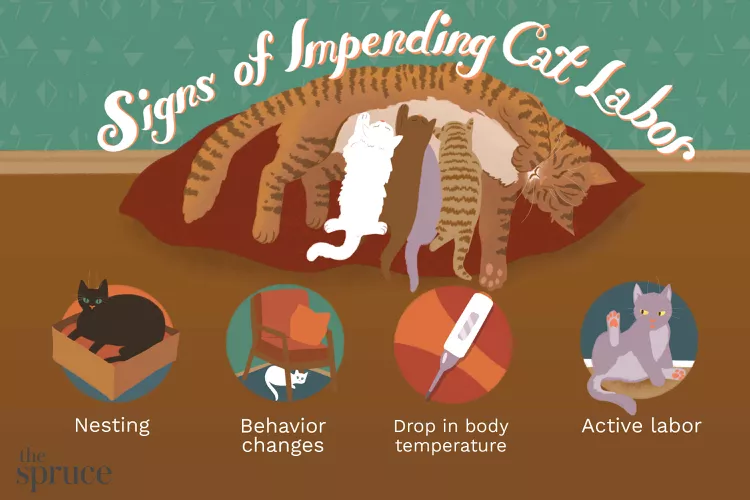
How to Help a Pregnant Cat Give Birth
Your pregnant cat may be able to give birth with no problems. However, if trouble arises, knowing in advance what to look for will help the process.
Can Indoor Cats Get Fleas?
It may be surprising to learn that indoor cats can and do get fleas too. Learn what to look for and how to treat these itchy pests.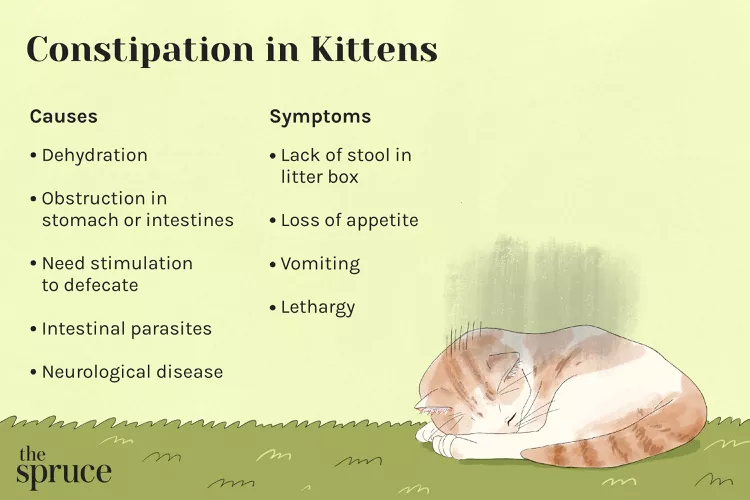
Kitten Constipation: What to Do When You Kitten Can't Poop
Kittens usually experience more diarrhea than constipation, but a kitten that has trouble passing stool, or is not defecating can be just as serious.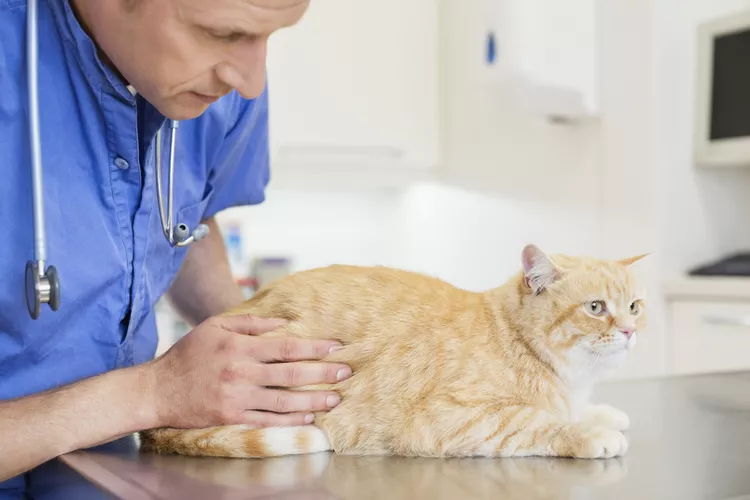
How to Take Your Cat's Temperature
Your cat's temperature should be between 100.4 and 102.5 degrees Fahrenheit. Learn how to take its temperature and determine if it has a fever.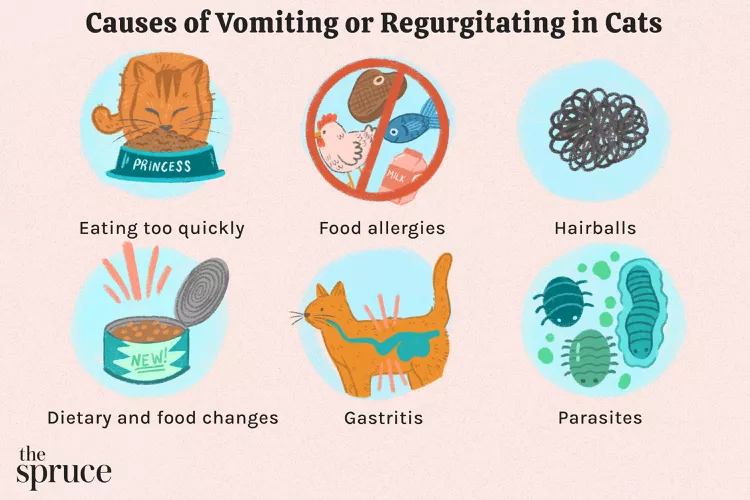
Why Is My Cat Throwing Up Its Food?
Cats throw up food for many reasons, and it may be a sign of a serious illness. Find out why your cat is vomiting undigested food and what to do about it, including when to call the vet.
Asthma in Cats
Cats with asthma may wheeze or cough, and they require medical intervention to manage the condition. Learn the causes, treatment, and prevention.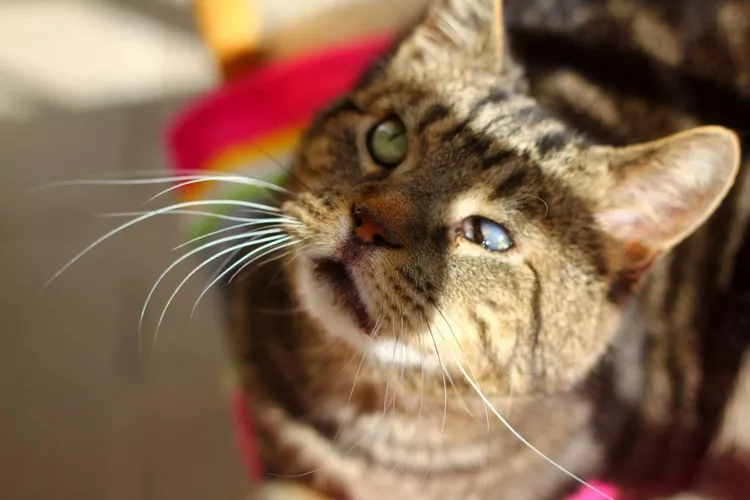
8 Ways to Help a Blind Cat Keep Safe in Your Home
Blind cats are much like any other cats, except you might want to do some things around the house to help them get around safely.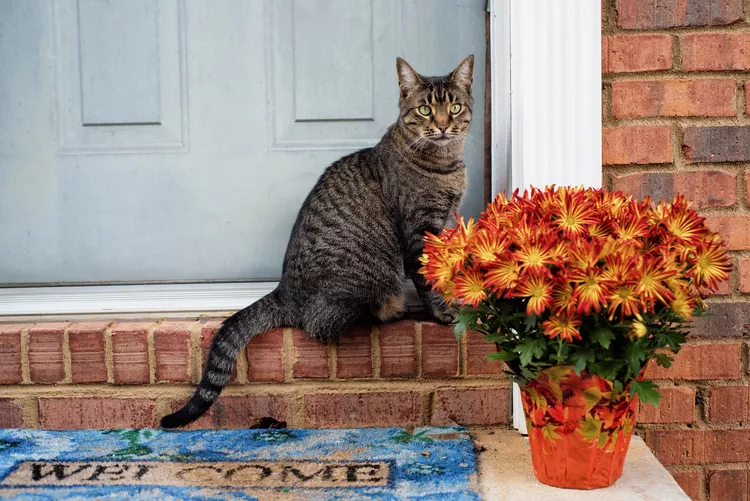
Are Mums Toxic to Cats?
Mums can be dangerous to cats if they eat them or if they come into contact with the skin. Here's what you need to know about chrysanthemum toxicity in cats, including when to contact the vet.
Glaucoma in Cats
Glaucoma is a disease that creates painful eye pressure in cats. Learn the causes, treatment, and prevention.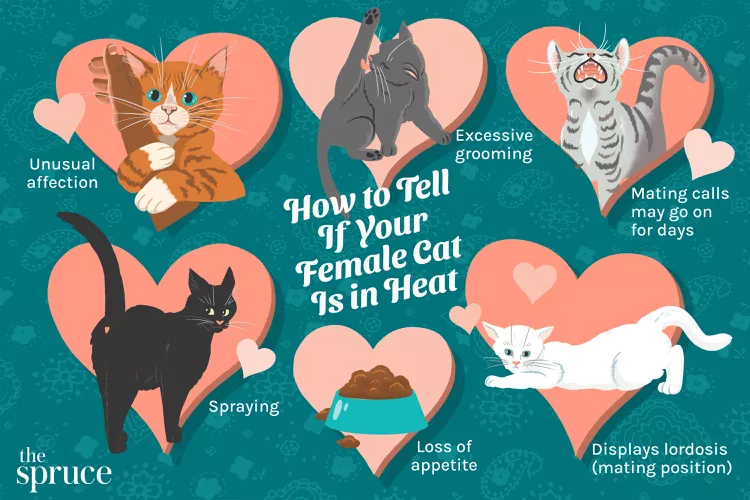
Signs of Heat in Cats
A cat in heat will show several physical and behavioral signs. Here's how to tell if your cat is in heat and how to care for her during this time. Learn the signs and how to prevent pregnancy, even if her cycle has begun.


:strip_icc():format(webp)/smartest-cat-breeds-4589754-hero-e192f849d9f1442481c47c932cd36aa8.jpg)