
Cat lovers who want their cats to enjoy fresh air, sunshine, and the ambiance of trees, bushes, and plants, often feel guilt by confining their cats to the indoors. This was the mindset in previous generations: that cats were free and independent creatures and should not be confined. That they cannot be healthy, happy, and active, if not allowed to experience all the glories of the outdoors.
Today, we understand the hazards of allowing cats to roam freely, either by personal experience, hearsay or through the media, including the Internet. Here are just a few of the outdoors dangers, although not an exhaustive list.
On the other hand, there are some safe compromises to offer your indoor cat the best of both worlds, without the potential hazards of free-roaming outdoors.
Gary Loewenthal, former Host for the About Cats forum used to carry his cat Mike around their backyard, allowing him to sniff and explore at will. Mike's nose led Gary on their walk, and each outdoor expedition was a bit different than the last. These explorations are best kept to a very short time—10 or 15 minutes—as most cats will become too eager to jump down and explore on their own. If you are considering bringing your cat outdoors, it would be best to try this first with your cat in a safe carrier such as a cat stroller or their travel bag. Unpredictable noises or other surprises can startle even the bravest cats when they are not accustomed to being outside. A scared cat could easy wriggle free and run away, or even unintentionally scratch or bite you in their panic. It would be best to give your cat time to adjust to these outings before attempting these next steps:
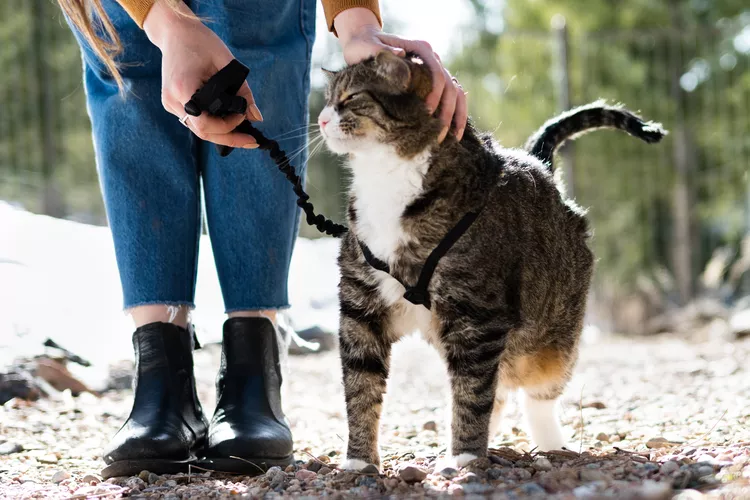
Some cats can be trained to wear a harness and leash, using a gradual method of training. Many cats will initially feel confined by the additional weight of the harness, and their first attempts at walking on a leash will appear to be more of the "slinking" or "belly-crawling" variety. Some cats may also find ways to slip out of the harness or tangle themselves in the leash, so it is best to practice indoors with short sessions to determine if your cat will tolerate this. Given time and patience on the part of the trainer, some cats will enjoy leash walking.
Some cats may prefer to just "lie around" outdoors on their leash, as does our Jaspurr (pictured above), who is a beginner in "leash etiquette." Although Jaspurr is at the "belly-walking" stage, he eventually may progress to walking with us. It's all a matter of time and patience if your cat is amenable to this activity.
Please note that tying a cat outside on a leash is not a substitute for personal interaction and supervision. Cats should never be left alone with a leash or a rope extension attached to them. There is too much danger of them becoming tangled up, with the possibility of strangulation, as well as high risks of them slipping out of the leash and running away.
We recommend a sturdy harness or walking jacket, as opposed to a collar. Collars can be slipped too easily, which will most likely happen in times of fear, such as when meeting a strange dog or cat on the street, loud noises, fast-moving vehicles, or even approaching strangers. Also try to buy as lightweight a leash as possible, consistent with safety. The additional "drag" of a bulky leash will slow your cat's walking progress.
Be sure to test your cat's "leash quotient" indoors for several days before taking him outside. Slow introduction and short sessions will give you the best change of getting your cat acclimated to this idea and will result in a cat with a safe and happy indoor-outdoor experience. If after many sessions indoors with lots of positive reinforcement (treats and toys) your cat does not seem to be adjusting or is showing signs of stress or aversion to the harness, consider one of these other safe ways to introduce your cat to the outdoors.
If you decide that you want to make your cat a "traveling cat," we suggest purchasing a vest or backpack cat carrier that is comfortable and sturdy to give your cat a safe space to observe the outdoors. We purchased a personal vest-style carrier, called "Pet Pocket 2," manufactured by Global Pet Products. We bought the basic version, with a black mesh "pocket" that comfortably held our cat safely with a drawstring adjustment and a metal clip that attaches to his harness. There are many other kinds of carriers on the market as well, so make sure to choose one that gives your cat enough room to comfortably lay down and turn around. You may have to try a few different styles to figure out which one suits your cat best.
The Kittywalk Stroller provides both a durable nylon netting "cage" so kitty can enjoy the outdoor experience and a water-resistant canvas shade for protection from the sun. The Wheel Away converts to a backpack, car carrier, and bed. These stroller-style carriers can be a great option since they allow you to take longer walks with your cat without having to carry them, and it keeps your hands free for other things. Many cats feel safe if they have some privacy or space to hide so the partial shade can give them a sense of security in the great outdoors.
For cats who would prefer to "free-roam" (within limits), outdoor enclosures are ideal. They can be built from scratch, with your own or purchased plans, or assembled as modular enclosures. A free-roam set-up requires you to have a private outdoor space where you can construct a permanent structure. The advantages are that it gives cats total freedom to wander and explore within a safe space. It will require ongoing maintenance to ensure the structure remains sound and that no defects form over time that could cause injury or be a site where cats could escape.
Your experiences may vary with any or all of these means of providing a safe outdoor experience for your cats, but we think you've been given enough alternatives here to get you started.
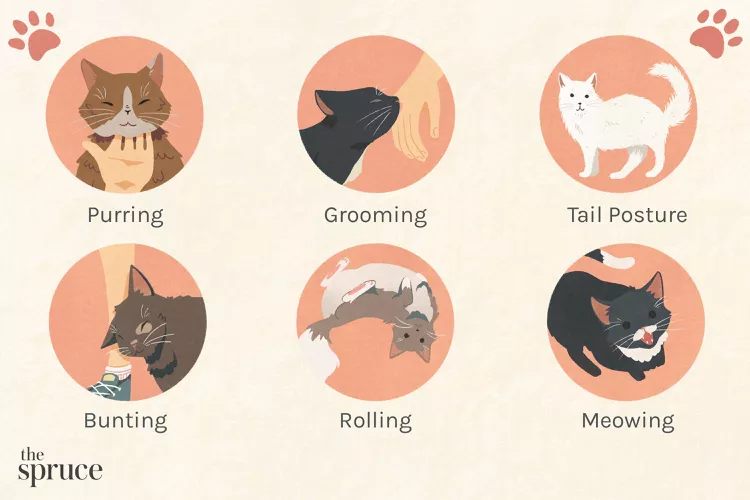
How Cats Show They Love You
Cats show their love in many ways and it usually involves body language and other behaviors. Find out if your cat is trying to tell you they love you.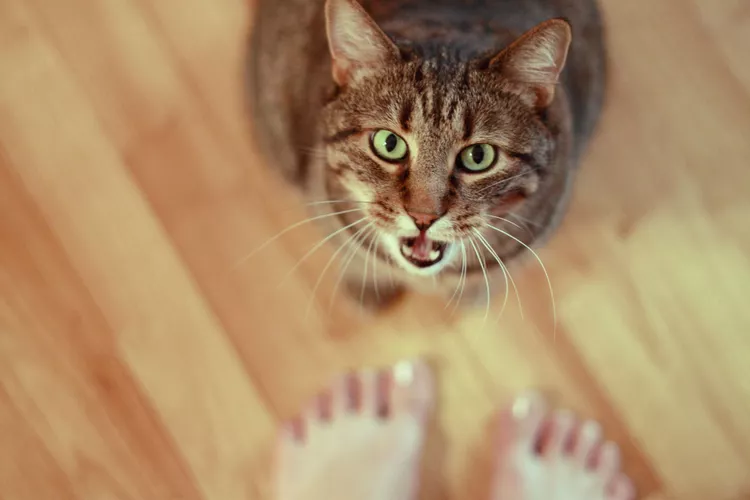
Why Your Cat Is Meowing So Much—and Other Ways They Seek Your Attention
Attention-seeking behavior in cats and excessive vocalization often go hand-in-hand. Learn about the types and causes of these behaviors.
Why Do Cats Groom and Lick Themselves So Often?
Cats may spend as much as half their time grooming and licking themselves. What leads to this behavior, and how does it help your cat?
Why Does My Cat Scratch the Floor After Eating?
Many cats paw at the floor or bury their food. It's a natural behavior, but it's easy to modify.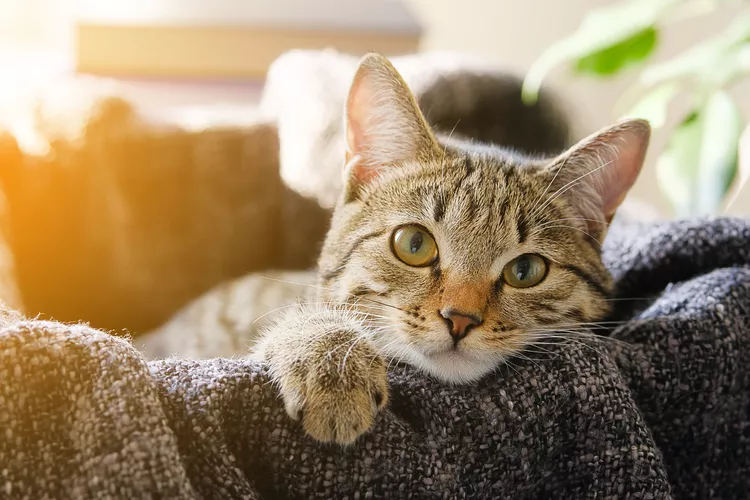
How to Stop a Cat from Spraying
Urine spraying, or marking, is different than urinating outside of the litter box. Learn about why cats will urine spray and what to do about it.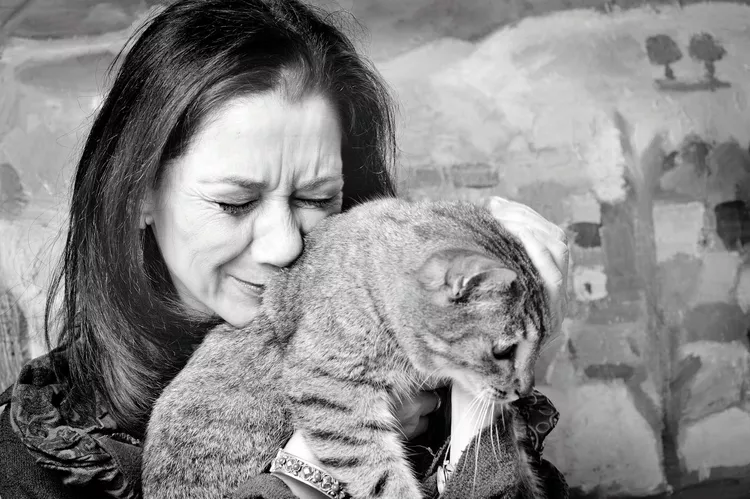
Do Cats Cry When They Are Sad or in Pain?
Cats don't cry the way people do. Your cat can produce tears, but not ones of sadness. Explore the truth behind a cat's emotions and what those tears mean.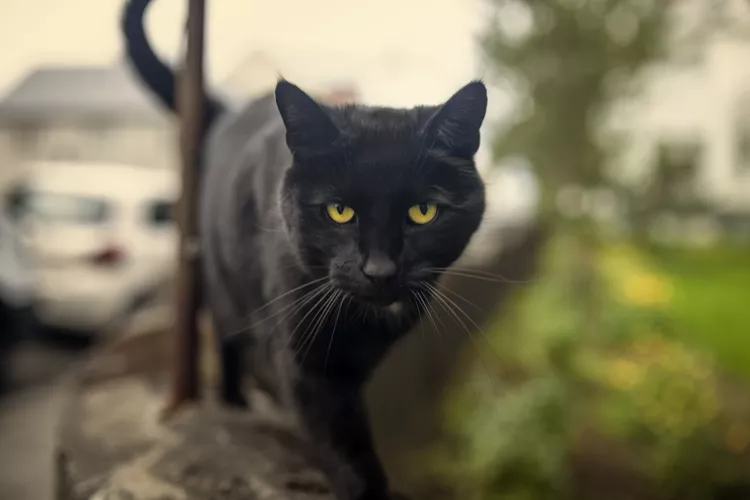
How to Train Your Cat to Not Be Mean
Learn about mean cats and angry cat behavior. Understand why cats sometimes hate hugs and learn steps to make cats happy (or happier).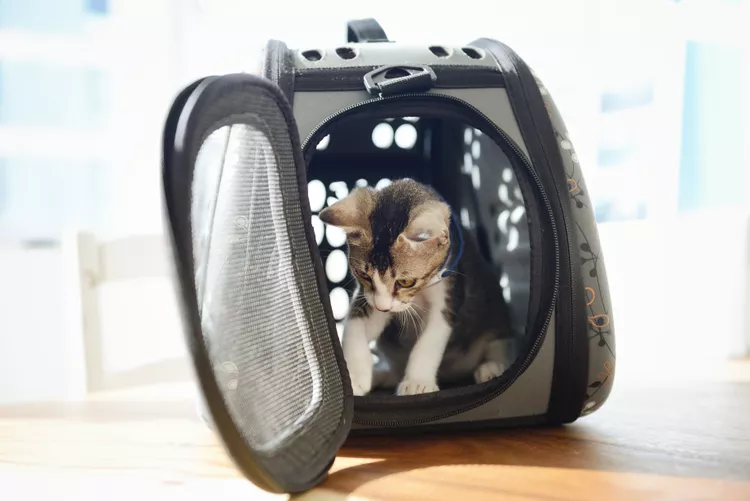
How to Crate Train Your Cat
Crate training is not just for dogs. Follow these steps to train your cat to the crate so you can have less stressful car rides and vet visits.
Why Cats Stare at You While You Sleep and How to Stop It
Cats are known to stare at humans while they sleep. Find out why and how to stop it.
How to Stop Your Cat From Tracking Litter and Poop
While they're generally clean animals, sometimes cats get poop on their paws, and track litter outside the box. Learn how to stop this behavior.
Is My Cat Happy?
Cats tell us that they are happy by vocalizing their pleasure, showing their moods by their body language, and plainly acting happy.
How to Stop Your Cat From Pooping in the Sink or Bathtub
It's frustrating and unpleasant when your cat defecates in the sink or tub, but you can stop the unwanted behavior with some of these techniques.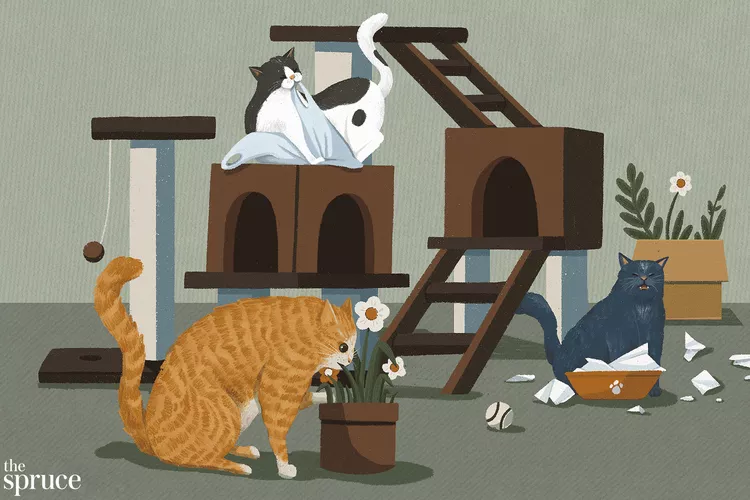
22 Weird Cat Behaviors You're Not Sure About
Explore 22 weird cat behaviors and why they do them. Many are methods of cat communication, from winking to bunting, rolling, sneering, and kneading.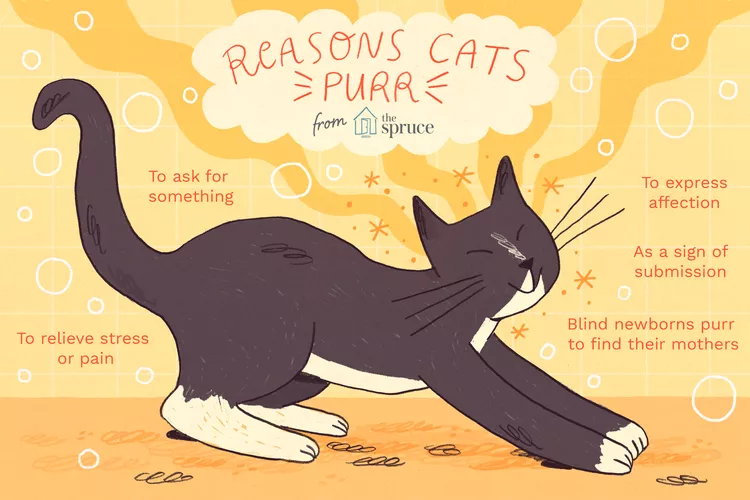
Understanding the Purring of Cats
Get a better understanding of variations on cat purring. Cats purr to communicate and even have special purrs.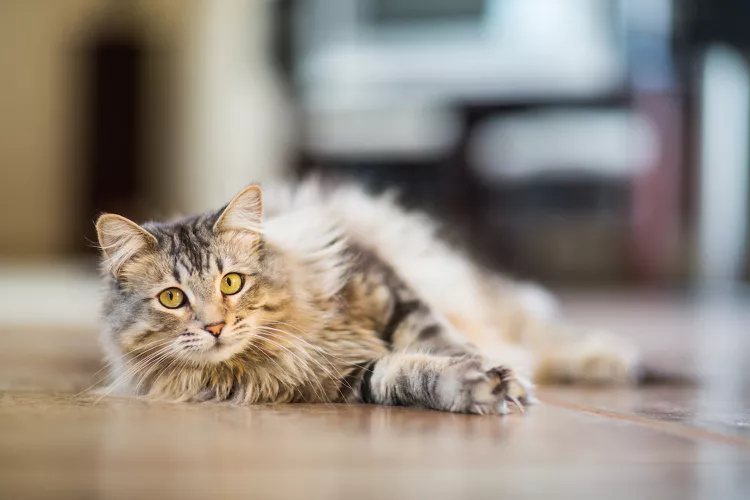
What Is Scruffing in Cats?
Learn more about the origins of cat scruffing and why you should not be scruffing your cat.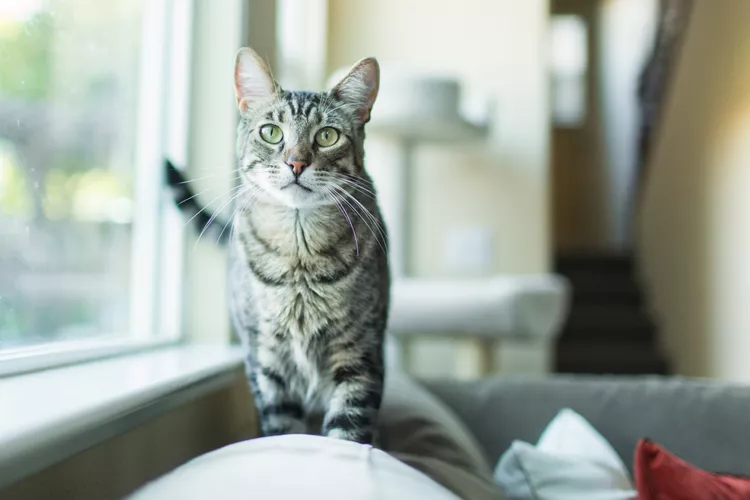
Understanding How Cats Speak Through Ear Movements
Cat owners can learn "cat talk" and get a deeper understanding of how cats use their cat ears to communicate different emotions.
Safe Solutions for Indoor Cats That Want to Go Outside
Cat lovers who want their cats to enjoy fresh air and sunshine often feel guilt by confining their cats to the indoors. Here are safe compromises.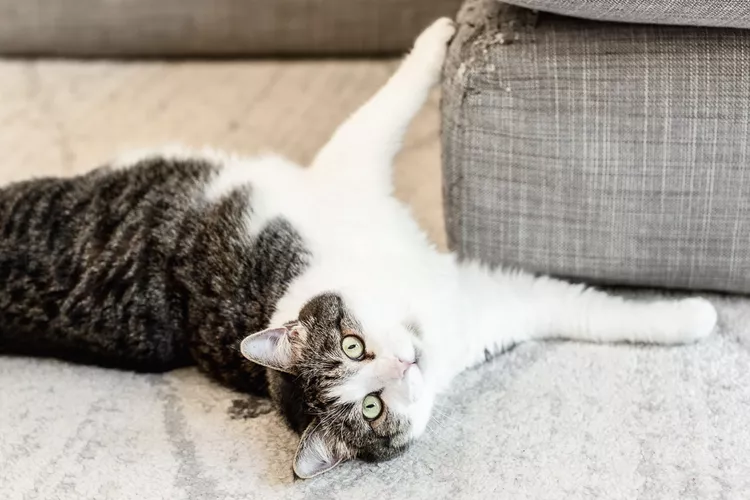
How to Discipline Your Cat the Right Way
Cats are mischievous but sometimes they also misbehave. Learn how to safely and effectively discipline a cat and positively change their behavior.
How to Stop Cats From Biting and Scratching
Cats learn to bite and scratch as kittens and may need to be retrained when they grow older. These behaviors can be changed with time and patience.
Reasons Why a Cat Doesn't Meow
When a cat doesn't meow, it is often just natural behavior, but when its silence is accompanied by other symptoms, have a vet examine your pet.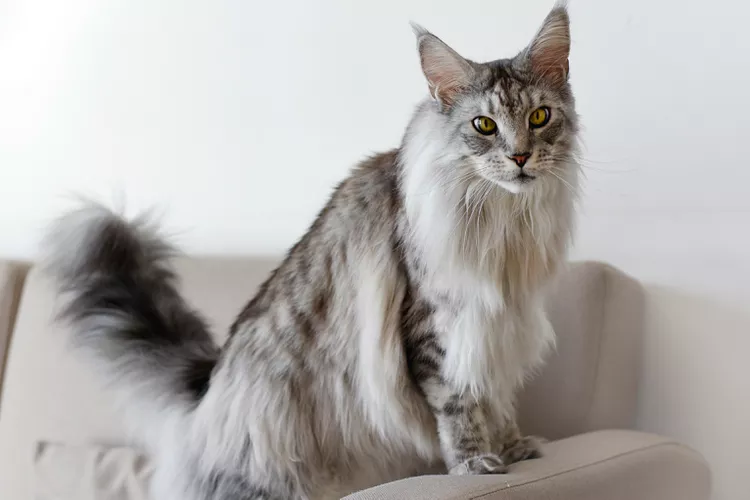
Top 10 Big House Cats
Larger cat breeds, like Maine coons and savannahs, deserve just as much love as their petite counterparts. These big house cats tip the scales.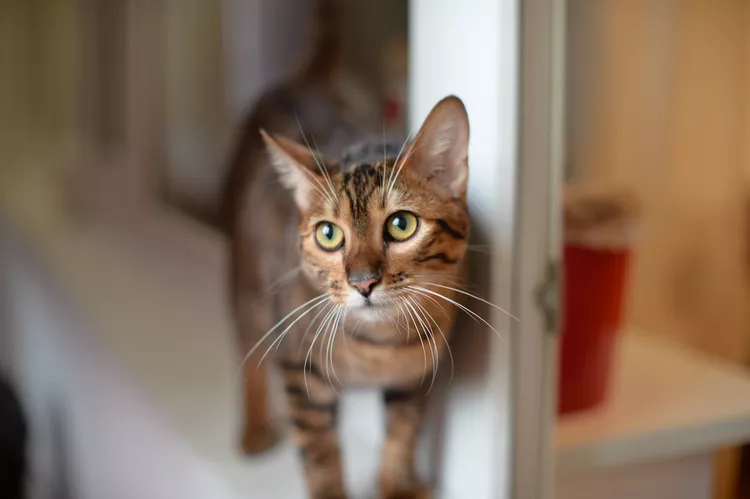
Toyger: Cat Breed Profile, Characteristics & Care
The toyger (toy tiger) cat is a beautiful, rare breed with an easygoing demeanor. These cats are hard to come by but make excellent pets.
Elf Cat: Breed Profile, Characteristics & Care
Elf cats are a new, rare cross between a sphynx and American curl with curly ears and a playful personality.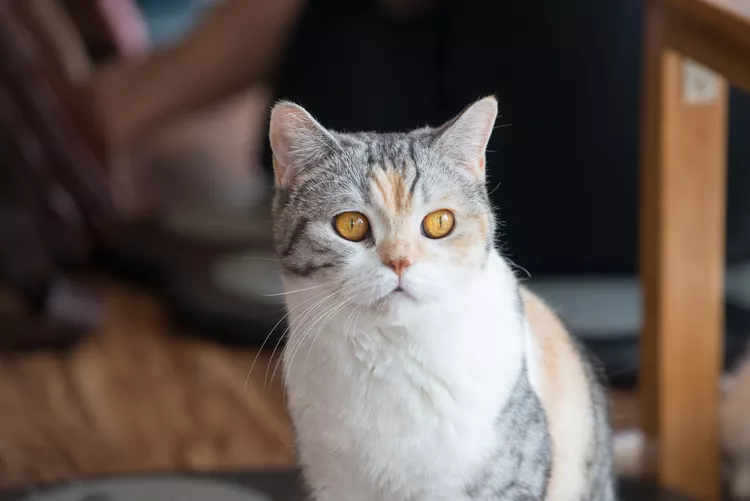
American Wirehair: Breed Profile, Characteristics & Care
The rare American wirehair breed has a distinctive wiry coat and quiet, gentle demeanor. Learn about the American wirehair breed.
Turkish Angora: Cat Breed Profile, Characteristics & Care
The elegant and silky Turkish Angora cat is a playful, affectionate, and sometimes mischievous pet. Learn about the Turkish Angora breed.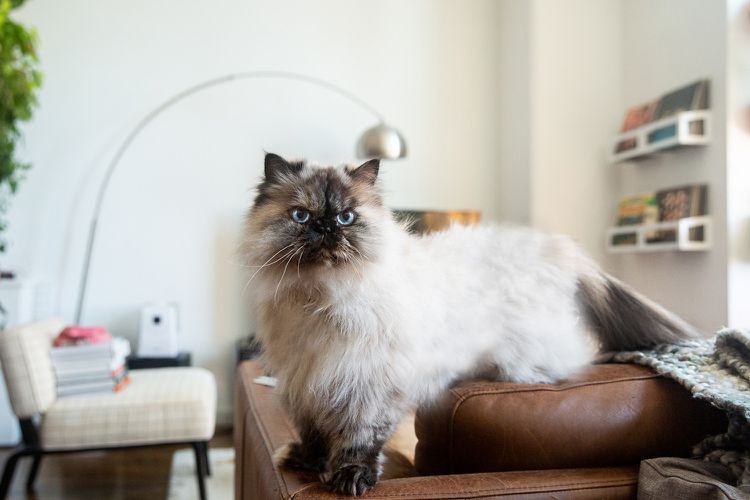
Himalayan: Cat Breed Profile, Characteristics & Care
Himalayan cats—crosses of Persian and Siamese breeds—are sweet felines with silky hair. They're great pets if you're willing to care for their coat.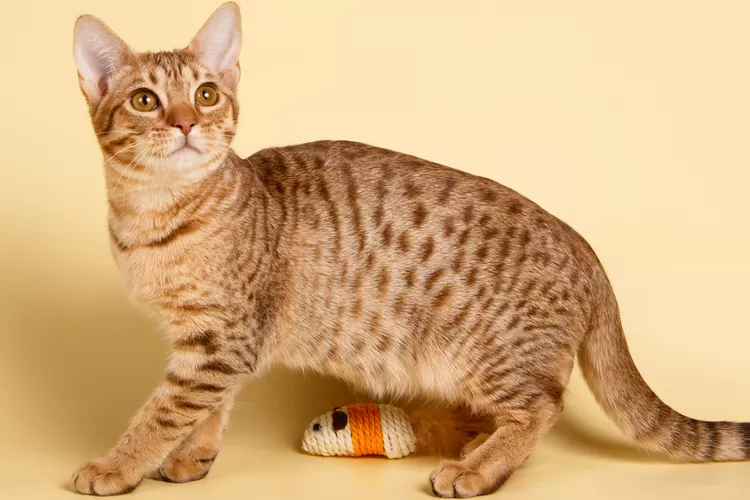
Ocicat: Breed Profile, Characteristics & Care
The ocicat has wild markings, but it is a completely domestic cat that loves to socialize and play. Learn about the ocicat breed.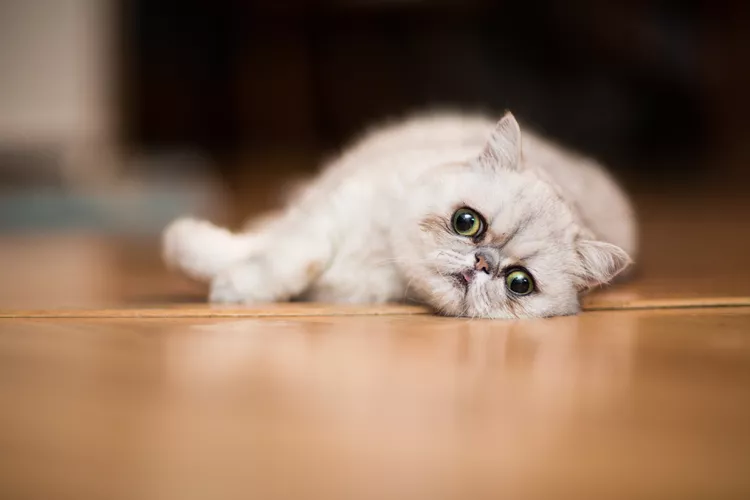
10 Popular Cat Breeds for Many Types of Households
Discover 10 of the most popular cat breeds, including the Maine coon and ragdoll. Learn which types of cats are right for your lifestyle.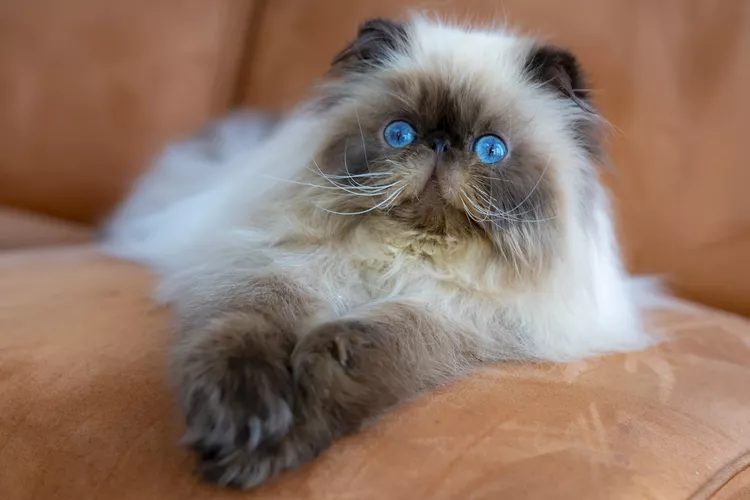
9 Calmest Cat Breeds for Laid-Back People
Calm cat breeds like the Persian and ragdoll are ideal for people who like a mellow pet. Meet nine of the calmest cat breeds.
Persian Cat: Breed Profile, Characteristics & Care
The Persian cat is sweet, laid-back, and regal, with a luxurious long coat. Learn more about this long-cherished cat breed.
Mixed-Breed Cat (Moggy): Breed Profile, Characteristics & Care
"Mixed-breed" is a catch-all term for cats without pedigrees. Called moggies in the UK, these cats make perfect pets. Learn about the mixed-breed cat.
7 Hybrid Cats Breeds
Hybrid cat breeds can make appealing pets since they look more exotic than domestic house cats, but they aren't for everyone.
Japanese Bobtail: Cat Breed Profile, Characteristics & Care
The Japanese bobtail is recognized for its bunny-like tail and is loved for its friendly, playful personality. Learn about the Japanese bobtail breed.
10 Cat Breeds That Are Rare to Find
Most house cats in the U.S. are not pedigreed or purebred, so even the most common breeds are rare. Take a look at the rarest of the purebreds.
Ragamuffin: Cat Breed Profile
Learn about the personality, history, and care for Ragamuffin cats.
How to Know When to Call the Vet for Your Cat
How to know when to call your veterinarian for your cat.
How to Tell if a Cat Is Pregnant
Could your cat be pregnant? Learn about the signs of pregnancy in cats. If you spot these telltale signs, it may be time to schedule a vet appointment. Here's how to tell if your cat is pregnant.
Are Tulips Toxic to Cats?
Tulips are one of many flowers that are toxic to cats. Learn the dangers, what to do in the case of ingestion, and how to keep your cat safe from tulip toxicity.
Constipation in Cats
Constipation in cats is a common, but uncomfortable, digestive disturbance. Find out what causes cat constipation and its treatment and prevention.
Feline Immunodeficiency Virus (FIV) in Cats
FIV is a common and potentially deadly feline disease. With good veterinary care, though, cats with FIV can survive many years after diagnosis.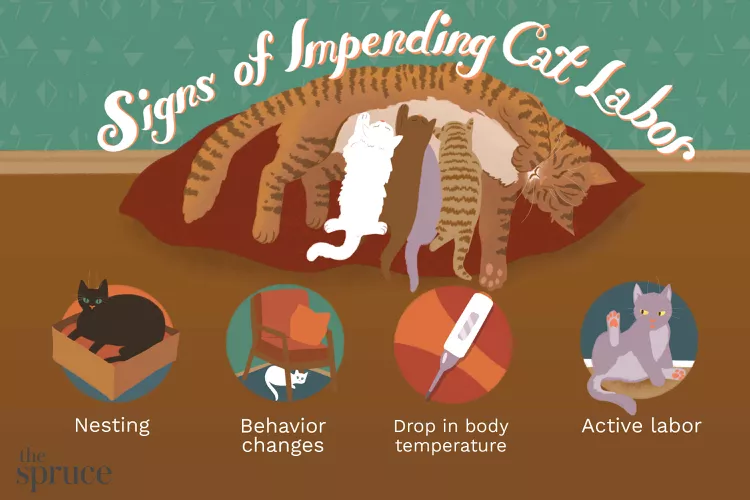
How to Help a Pregnant Cat Give Birth
Your pregnant cat may be able to give birth with no problems. However, if trouble arises, knowing in advance what to look for will help the process.
Can Indoor Cats Get Fleas?
It may be surprising to learn that indoor cats can and do get fleas too. Learn what to look for and how to treat these itchy pests.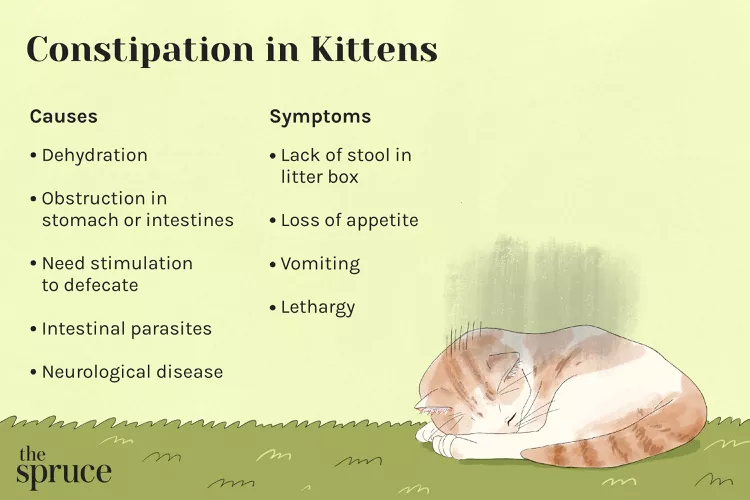
Kitten Constipation: What to Do When You Kitten Can't Poop
Kittens usually experience more diarrhea than constipation, but a kitten that has trouble passing stool, or is not defecating can be just as serious.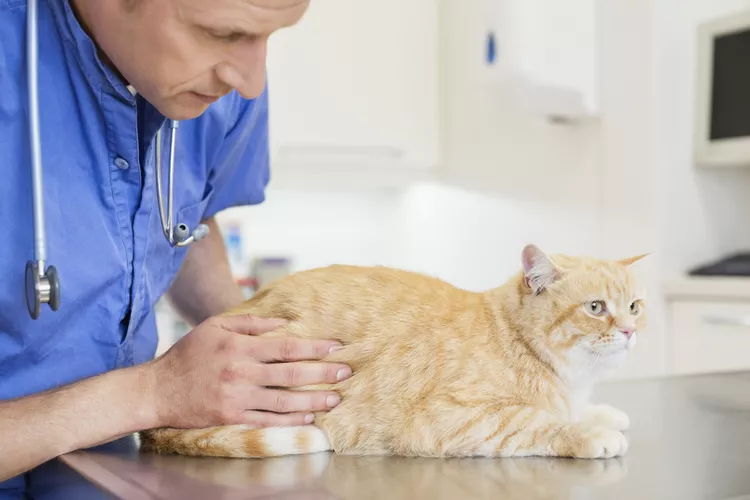
How to Take Your Cat's Temperature
Your cat's temperature should be between 100.4 and 102.5 degrees Fahrenheit. Learn how to take its temperature and determine if it has a fever.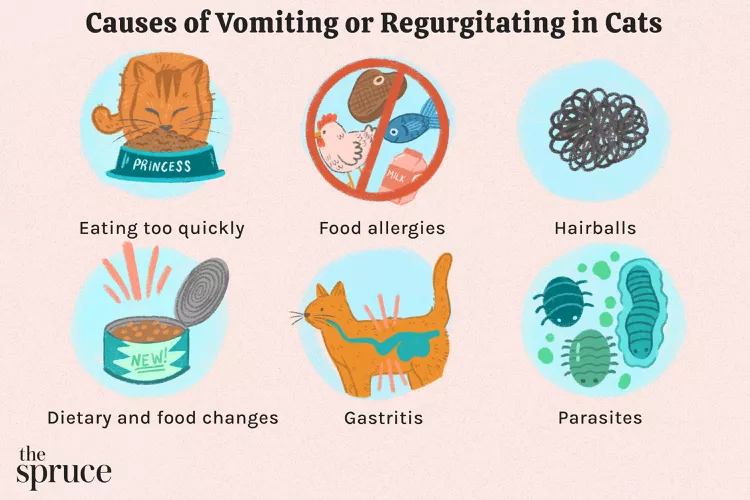
Why Is My Cat Throwing Up Its Food?
Cats throw up food for many reasons, and it may be a sign of a serious illness. Find out why your cat is vomiting undigested food and what to do about it, including when to call the vet.
Asthma in Cats
Cats with asthma may wheeze or cough, and they require medical intervention to manage the condition. Learn the causes, treatment, and prevention.
8 Ways to Help a Blind Cat Keep Safe in Your Home
Blind cats are much like any other cats, except you might want to do some things around the house to help them get around safely.
Are Mums Toxic to Cats?
Mums can be dangerous to cats if they eat them or if they come into contact with the skin. Here's what you need to know about chrysanthemum toxicity in cats, including when to contact the vet.
Glaucoma in Cats
Glaucoma is a disease that creates painful eye pressure in cats. Learn the causes, treatment, and prevention.
Signs of Heat in Cats
A cat in heat will show several physical and behavioral signs. Here's how to tell if your cat is in heat and how to care for her during this time. Learn the signs and how to prevent pregnancy, even if her cycle has begun.

