22 Weird Cat Behaviors You're Not Sure About

13.2K
132
51
2025-11-10
22 Weird Cat Behaviors You're Not Sure About

Does your cat's behavior confuse and frustrate you, making you think you are the only one with such a crazy cat? You are not the only one, and surprisingly your cat might be considered completely normal. Learn about 22 weird cat behaviors, why cats do them, and how you can learn to live with them—or even enjoy your quirky kitty's antics.

1:05

If Your Cat Could Text, They Would Say This

  • 01 of 22

    Rolling Over

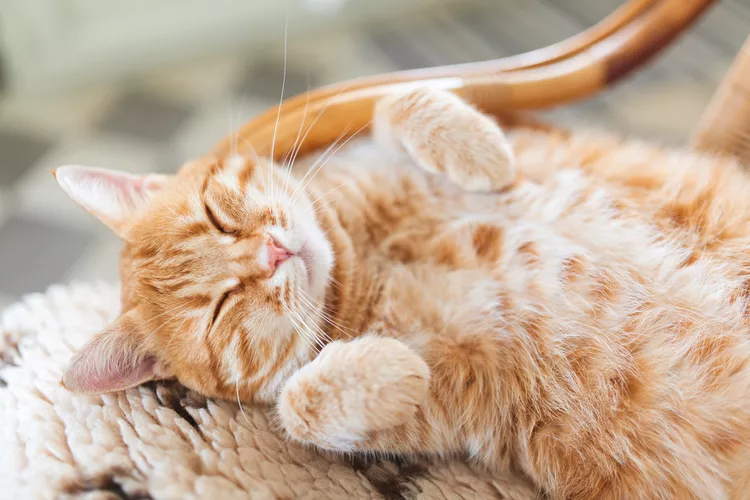
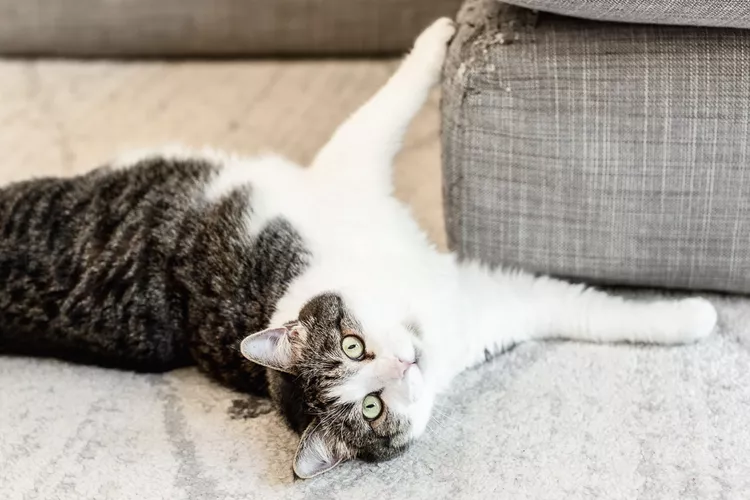
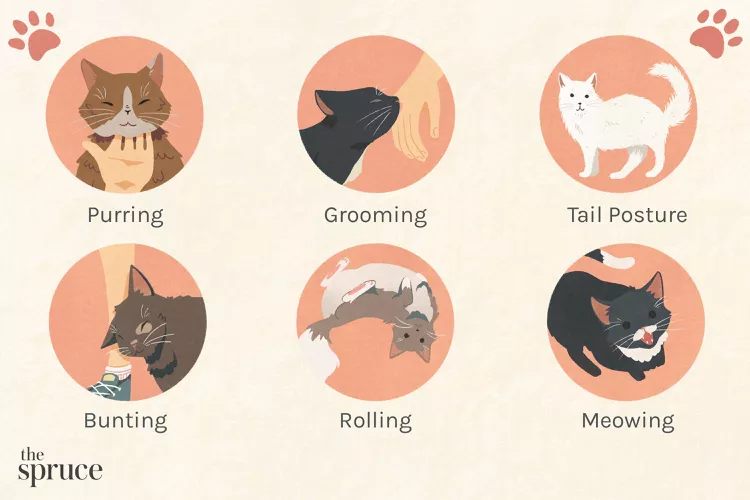
    Does your cat flip—that is, throw itself on the ground at your feet and roll? Is it under the influence of catnip, or is something else going on? When your cat rolls over it typically signals that the cat feels safe and maybe wants some attention from you. Your cat can also mark the area with its scent this way, claiming your space as its own.

  • 02 of 22

    Presenting Its Butt

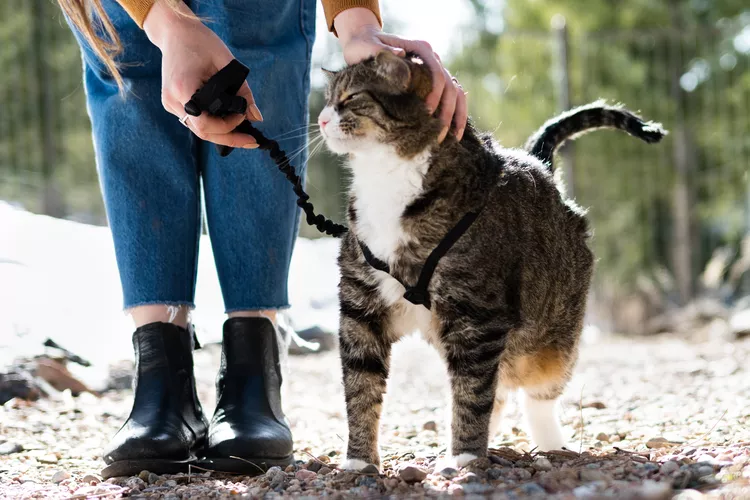
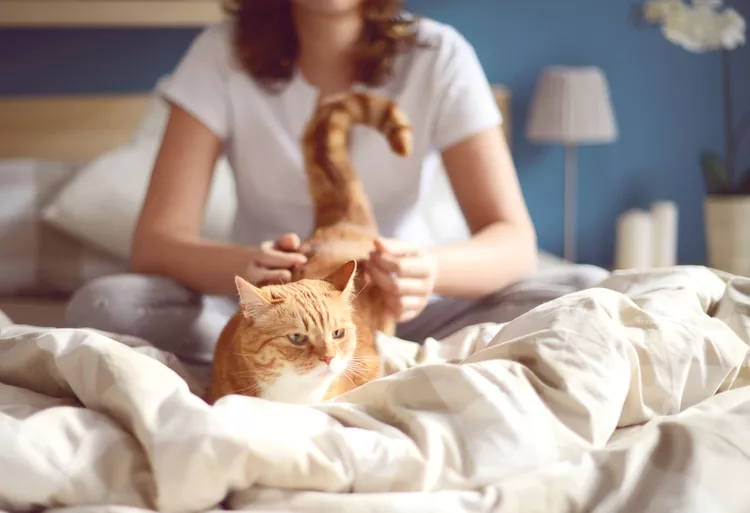
    Does your kitty's butt go sky-high when you pet or scratch it? That's called an "elevator butt" pose and it's a good thing. Your cat's action is a backhanded compliment and kitty-correct, letting you know you've hit the spot and to continue the petting. What about when your cat puts its butt right into your face? Good news there, too. A raised tail is an invitation to another cat for a gracious butt sniff to say hello. When your cat does this to you, it's like giving a hug and kiss when greeting a friend. The good news is that you don't have to sniff your cat's hind end to reciprocate. Instead, you can pet your cat or scratch where it likes it best.

  • 03 of 22

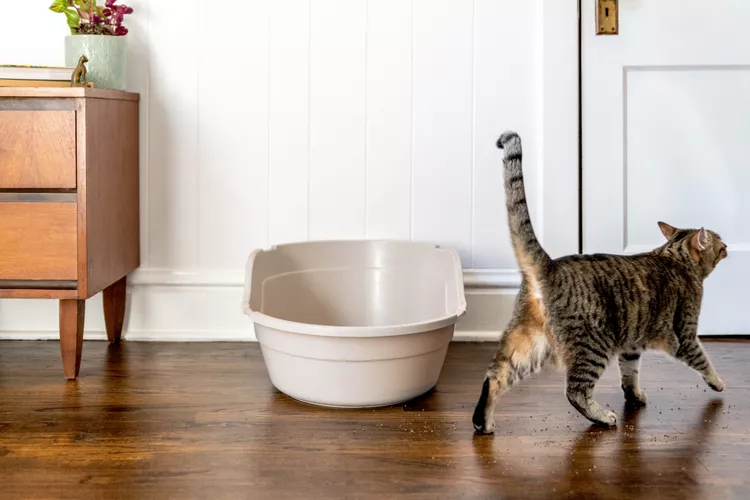
    Covering Poop

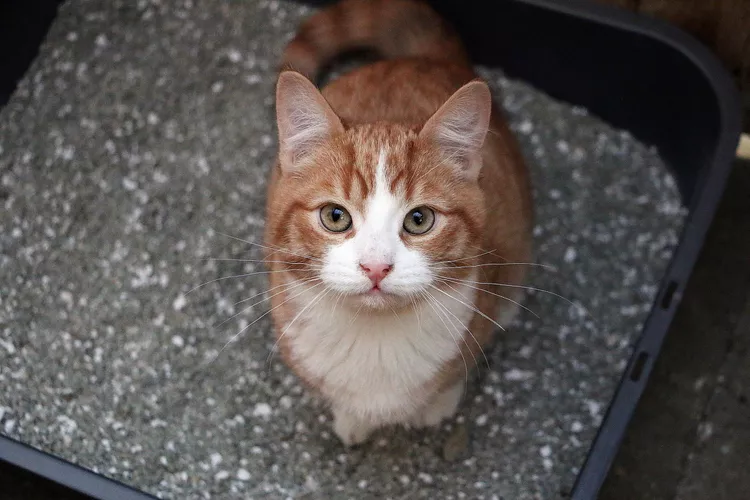
    All cats do this. Or do they? Cats communicate volumes in the litter box and sometimes they want their (ahem) potty graffiti available for the world to see. Cats usually learn their litter box etiquette from their mothers, and domestic cats have long been encouraged to cover their excrement. However, a cat might leave it unburied to claim territory.

  • 04 of 22

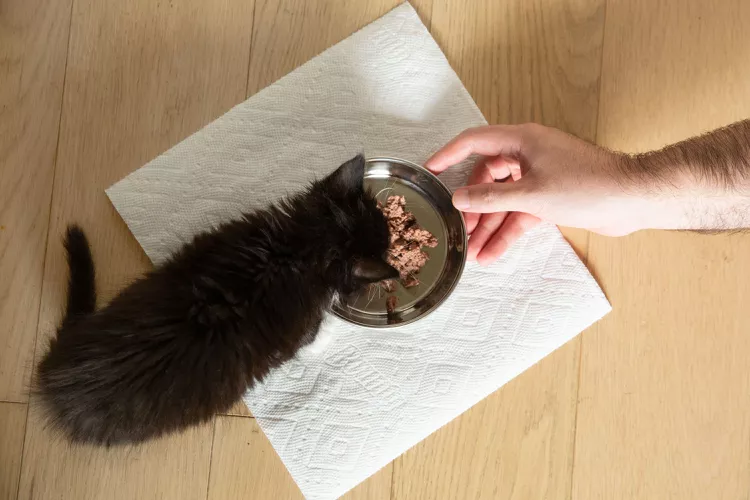
    Covering Food

    Everyone has heard of finicky cats. And some cats make clear their gustatory preferences by covering up the bowl of food. If your cat is covering its food after eating some of it, it may be an instinctive behavior as wild felines cache their food to keep it safe from others. Your kitten or cat may scratch around its food bowl after eating or even find shredded paper to cover it up.

    Continue to 5 of 22 below
  • 05 of 22

    Eating Plastic

    You arrive home from the grocery store, and before you can say "Scat!" you catch your cat licking the plastic bags. If not caught in time, some cats even eat plastic. Kittens may chew on anything while teething and may have developed a fondness for the texture of plastic they will carry into adulthood. Also, the bag might just taste good to the cat. However, plastic can be a choking hazard or cause intestinal obstruction, so you want to discourage it by providing safe chew toys.

  • 06 of 22

    Eating Grass, Leaves, and Plants

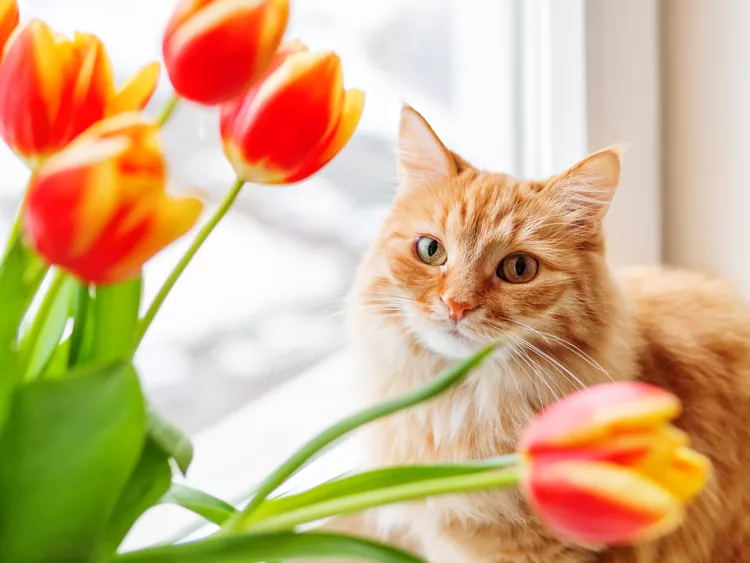
    Do your cats eat green stuff? Cats are carnivores, but they also often enjoy getting trace nutrients from nibbling on grass and other greenery, even leaves. In the wild, they would get these nutrients by eating the intestinal contents of their prey. Just watch your houseplants and cut flowers because cats love anything that screams foliage and toxicity may be an issue with many flowers.

  • 07 of 22

    Sneering

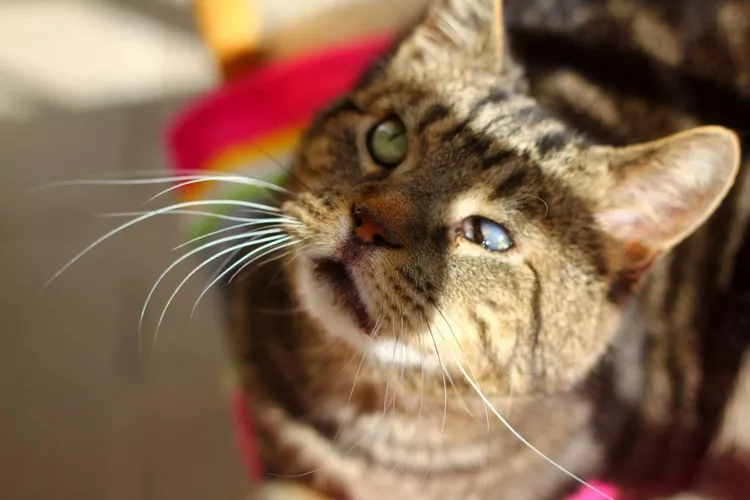
    The technical term for that distinctive open-mouth grimace is the flehmen response, but it sure looks like a feline sneer. It's doubtful you'll ever see your cat aim this sneer your way, as it's a reaction reserved for other cats, or rather, their invisible messages. They are picking up pheromones that other cats have marked in the environment. The motion of trapping the pheromone with the tongue against a duct in the roof of the mouth produces the lip curl. Male cats do this lip curl more often.

  • 08 of 22

    Winking

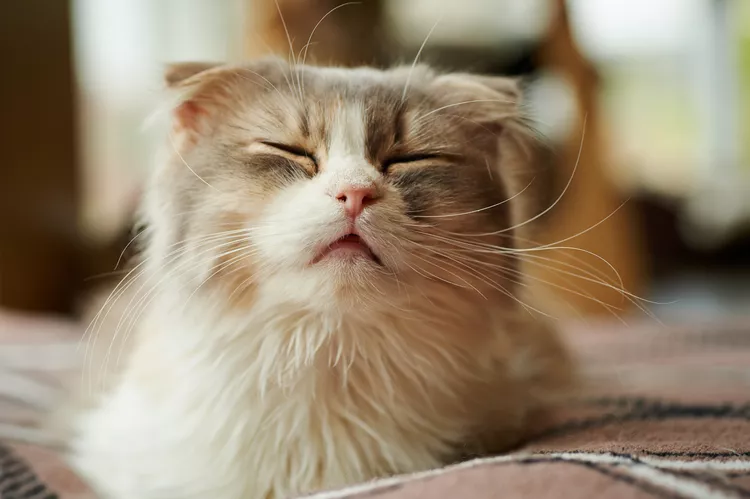
    When your cat "winks" at you, is it flirting? That might be one way to interpret the kitty eye communication, sometimes called a cat kiss. A slow cat-eye blink is a wonderful compliment. It is a non-threat signal that cats use with each other as well as with humans they are comfortable with. You can send the same signal to your cat, slowly shutting and then opening your eyes. Chances are, your cat will return the cat-kiss eye blink.

    Continue to 9 of 22 below
  • 09 of 22

    Kneading and Treading

    Those rear-treading paws rev the kitty engine right before a burst of speed, while the front paw treading (kneading) offers a more reflective emotion. Front paw kneading is generally believed to be a leftover nursing behavior that kittens use to stimulate the release of milk from their mothers. In adult cats, you will mostly see it when they are happy and satisfied. As a bonus, the kneading releases the cat's scent and marks its territory. Rear-foot treading is done before and after mating as well as when hunting and the cat is about to launch an attack.

  • 10 of 22

    Interrupting Phone Calls

    Does your cat want to phone home? If it is interrupting your time on the phone, at the keyboard, or when reading, your cat is jealous of you giving attention to these objects rather than to your fur baby. The solution is to give your cat more one-on-one time as well as interactive toys to keep it stimulated.

  • 11 of 22

    Butting Heads

    Cats' unique behavior includes bunting—that odd way your cat head-butts you. The technical term is bunting and refers to the way a cat presses and rubs its head against objects. Another technical term, allorubbing, refers to the way cats rub their bodies against another cat, a human, or even a trusted family dog. This is done to mark you with their scent and claim you as their own.

  • 12 of 22

    Chattering and Chirping

    A cat vocalizes in many ways. You've probably heard it chittering and chattering, most likely when your cat is looking out the window at birds or other potential prey. If you have multiple cats, you may have caught them chirping with each other during what looks like a kitty coffee klatch. Chirping and chattering are sounds of conversation and excitement over the thrill of the hunt it senses outside.

    Continue to 13 of 22 below
  • 13 of 22

    Sitting in Boxes

    Cats, much like little kids, often prefer to play with the box a gift came in over the toy itself. Put even the tiniest empty box on the floor and your furry pudge muffin will try to squeeze itself into it. Your cat's passion for boxes is a natural instinct. Felines are hunters and love to hide in small spaces before surprising their prey, making a box the perfect hideout. The texture of a box, often cool and smooth, can also feel good to a cat. Just make sure the box is safe to play in, minus staples or packing peanuts that can tempt a cat to chew.

  • 14 of 22

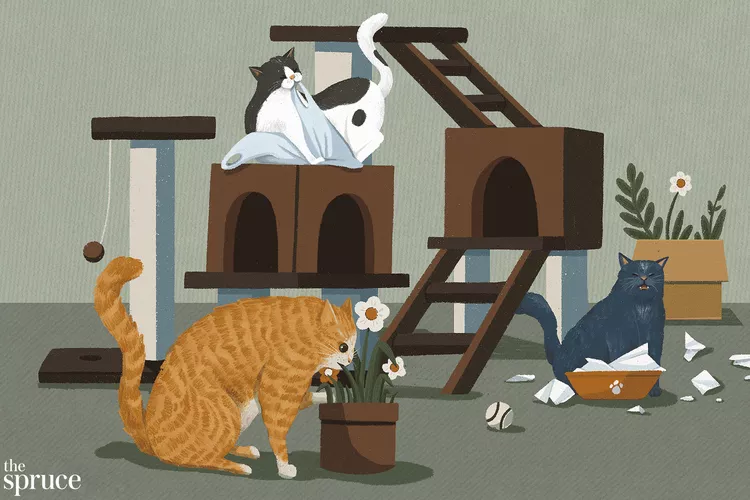
    Knocking Things Over

    Cats love to knock things over—and watch them break. Though not the most endearing behavior, it's probably your pet's way of telling you it's bored, needs attention, and wants to play. As you probably already know, scolding your cat won't help to eliminate this problem. To minimize this frustrating behavior, it helps to enrich your cat's day with more interactive toys and puzzle feeding dishes to make your kitty work for its kibble.

  • 15 of 22

    Drinking From Faucets

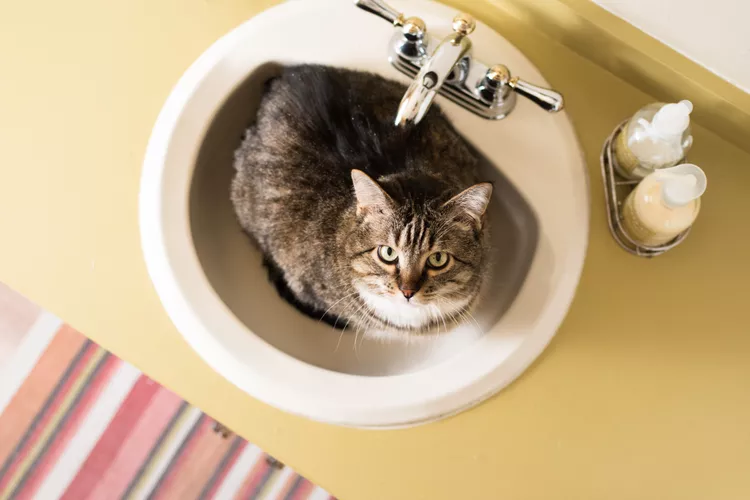
    Cats aren't always big fans of drinking water unless it's out of a faucet. It's suspected that cats avoid motionless water sitting in a bowl because it appears to be unhealthy. Instead, running water is perceived by cats to be fresher water which is why the bath or kitchen faucet is such a big draw. If you want to keep your kitty out of the sink, try a cat water fountain or encourage hydration with a special bowl. But if your cat loves to sleep in a sink (it's snug and cool and often shaped like a cat bed) while sipping dripping water from the faucet, it may be a tough habit for your pet to break.

  • 16 of 22

    Sleeping Near Computers

    Though cats are covered in fur, they still want that extra bit of warmth from any source they can find, whether it's from the sun, your lap, or a laptop. So even if your cat is trying to make its bed on your laptop or keyboard, just know it's in need of a bit more warmth than your lap has to offer. To minimize the behavior, try putting a warming bed or other cozy cat bed next to your workspace as an alternative heating pad for your kitty.

    Continue to 17 of 22 below
  • 17 of 22

    Zooming Around the House

    The midnight crazies, otherwise known as cat zoomies, are a typical behavior that rarely needs attention. Your kitty may race across your home like it's being chased, literally bounce off the walls, and meow like it's yelping. Most likely, it's just entertaining behavior for your cat's enjoyment. Remember, your cat is a natural hunter and without the need to hunt down its prey, your pet has a lot of pent-up energy. Sometimes, though, your cat is acting wild to help itself feel better from a case of fleas or if your cat is old, perhaps it's a bit senile and reliving its kittenhood. Watch your cat during this behavior and if you see any physical evidence of bothersome bugs or other problems, call the vet for a visit.

  • 18 of 22

    Licking You

    Even if your face stings a bit from your cat's sandpaper-like tongue licking you, know that you're enduring the discomfort in the name of love. Any time a cat licks you, it's a gesture of affection. Your cat is also letting you know it owns you. About that rough tongue? It's normal—your cat's tongue is the ultimate cleaning machine, designed with backward-facing hooks meant to grab its fur for grooming. Beware that a cuddly licking session may end up with your cat gently biting your chin, but don't worry, it may be telling you it's time to stop.

  • 19 of 22

    Running Away From Plastic Bags

    If your cat doesn't eat plastic or use a plastic bag as a cave or bed, it may be terrified of it. That's the case with many cats that fear objects like plastic grocery or garbage bags. Your cat may have had a traumatic encounter with a bag so the sight and sound of a rustling plastic bag can send your kitty into hiding. Try desensitizing your cat by leaving some plastic bags near a kitty treat and over time, the fear may lessen.

  • 20 of 22

    Farting

    Cats can be so squeaky clean and graceful that when they fart, we often tend to laugh at such unexpected behavior from our fastidious felines. Though sometimes comedic, farting is a behavior that you may need to have some concern about if it becomes a chronic problem. Cats can have flatulence for a variety of reasons:

    • It's anxious or scared.
    • It's allergic, sensitive, or having a reaction to its food or dietary change.
    • It has parasites in its digestive tract (time for the vet).
    Continue to 21 of 22 below
  • 21 of 22

    Sucking Wool

    Though it looks cute for a cat to suck on a ball of yarn, it's not the most desirable behavior you can hope for. A cat may suck on wool because it is soft and fuzzy like its mother. The kitten may have been taken away too early from its mother as it was still nursing and is seeking the same feeling it had as a baby. If it's not yarn, it may be a soft blanket that your cat latches onto.

    If the sucking is only an infrequent comforting behavior and your cat has not ingested dangerous fibers that can result in intestinal obstruction, you may not have anything to worry about. But if it is chronic, you can distract your cat from this behavior by removing the object, providing other types of enrichment, and seeking out more advice from your vet.

  • 22 of 22

    Staring

    It's not uncommon for a cat to stare—without blinking—into your eyes. Even though the winking stare is a kiss, the wide-open stare can be just as affectionate. However, if your cat is sitting on your chest staring at you, and it's morning, it's likely your kitty is using its eyes to ask for food or another type of attention, such as playtime.

    If you're holding your cat, it's staring at you, and there's other body language like pinned-back ears and its tail is wildly flipping around, it could be telling you it's scared, anxious, and needs its space. Don't have a stare-down with your cat in response—it could be viewed as hostility and cause more anxiety in your cat.
If you suspect your pet is sick, call your vet immediately. For health-related questions, always consult your veterinarian, as they have examined your pet, know the pet's health history, and can make the best recommendations for your pet.

Top Articles

Related Article

How Cats Show They Love You
31.2K
311
52

How Cats Show They Love You

Cats show their love in many ways and it usually involves body language and other behaviors. Find out if your cat is trying to tell you they love you.
Why Your Cat Is Meowing So Much—and Other Ways They Seek Your Attention
35K
2.1K
945

Why Your Cat Is Meowing So Much—and Other Ways They Seek Your Attention

Attention-seeking behavior in cats and excessive vocalization often go hand-in-hand. Learn about the types and causes of these behaviors.
Why Do Cats Groom and Lick Themselves So Often?
48.1K
4.3K
2K

Why Do Cats Groom and Lick Themselves So Often?

Cats may spend as much as half their time grooming and licking themselves. What leads to this behavior, and how does it help your cat?
Why Does My Cat Scratch the Floor After Eating?
30.7K
1.5K
767

Why Does My Cat Scratch the Floor After Eating?

Many cats paw at the floor or bury their food. It's a natural behavior, but it's easy to modify.
How to Stop a Cat from Spraying
2K
39
15

How to Stop a Cat from Spraying

Urine spraying, or marking, is different than urinating outside of the litter box. Learn about why cats will urine spray and what to do about it.
Do Cats Cry When They Are Sad or in Pain?
3.8K
150
70

Do Cats Cry When They Are Sad or in Pain?

Cats don't cry the way people do. Your cat can produce tears, but not ones of sadness. Explore the truth behind a cat's emotions and what those tears mean.
How to Train Your Cat to Not Be Mean
31.6K
315
122

How to Train Your Cat to Not Be Mean

Learn about mean cats and angry cat behavior. Understand why cats sometimes hate hugs and learn steps to make cats happy (or happier).
How to Crate Train Your Cat
44.7K
3.6K
1.6K

How to Crate Train Your Cat

Crate training is not just for dogs. Follow these steps to train your cat to the crate so you can have less stressful car rides and vet visits.
Why Cats Stare at You While You Sleep and How to Stop It
9.3K
650
299

Why Cats Stare at You While You Sleep and How to Stop It

Cats are known to stare at humans while they sleep. Find out why and how to stop it.
How to Stop Your Cat From Tracking Litter and Poop
13.4K
400
144

How to Stop Your Cat From Tracking Litter and Poop

While they're generally clean animals, sometimes cats get poop on their paws, and track litter outside the box. Learn how to stop this behavior.
Is My Cat Happy?
8.2K
81
28

Is My Cat Happy?

Cats tell us that they are happy by vocalizing their pleasure, showing their moods by their body language, and plainly acting happy.
How to Stop Your Cat From Pooping in the Sink or Bathtub
40.8K
815
342

How to Stop Your Cat From Pooping in the Sink or Bathtub

It's frustrating and unpleasant when your cat defecates in the sink or tub, but you can stop the unwanted behavior with some of these techniques.
22 Weird Cat Behaviors You're Not Sure About
13.2K
132
51

22 Weird Cat Behaviors You're Not Sure About

Explore 22 weird cat behaviors and why they do them. Many are methods of cat communication, from winking to bunting, rolling, sneering, and kneading.
Understanding the Purring of Cats
8K
643
315

Understanding the Purring of Cats

Get a better understanding of variations on cat purring. Cats purr to communicate and even have special purrs.
What Is Scruffing in Cats?
7.1K
567
90

What Is Scruffing in Cats?

Learn more about the origins of cat scruffing and why you should not be scruffing your cat.
Understanding How Cats Speak Through Ear Movements
10.4K
415
170

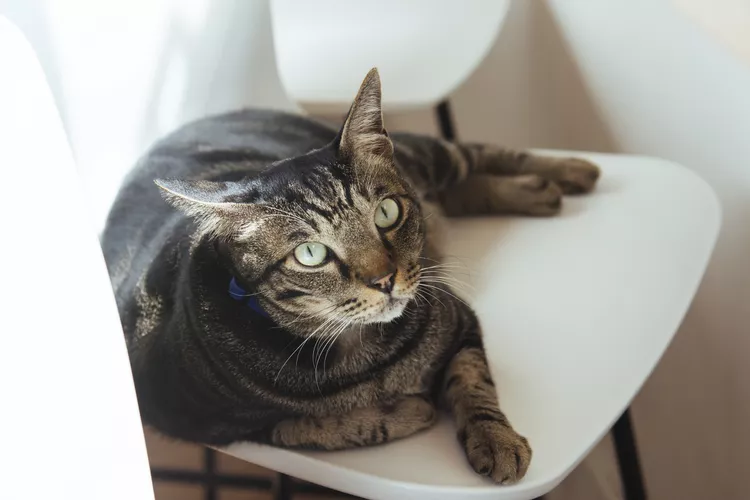
Understanding How Cats Speak Through Ear Movements

Cat owners can learn "cat talk" and get a deeper understanding of how cats use their cat ears to communicate different emotions.
Safe Solutions for Indoor Cats That Want to Go Outside
49.5K
2K
673

Safe Solutions for Indoor Cats That Want to Go Outside

Cat lovers who want their cats to enjoy fresh air and sunshine often feel guilt by confining their cats to the indoors. Here are safe compromises.
How to Discipline Your Cat the Right Way
32.2K
643
308

How to Discipline Your Cat the Right Way

Cats are mischievous but sometimes they also misbehave. Learn how to safely and effectively discipline a cat and positively change their behavior.
How to Stop Cats From Biting and Scratching
48.2K
481
177

How to Stop Cats From Biting and Scratching

Cats learn to bite and scratch as kittens and may need to be retrained when they grow older. These behaviors can be changed with time and patience.
Reasons Why a Cat Doesn't Meow
49.1K
2.9K
1K

Reasons Why a Cat Doesn't Meow

When a cat doesn't meow, it is often just natural behavior, but when its silence is accompanied by other symptoms, have a vet examine your pet.
Top 10 Big House Cats
20.3K
405
145

Top 10 Big House Cats

Larger cat breeds, like Maine coons and savannahs, deserve just as much love as their petite counterparts. These big house cats tip the scales.
Toyger: Cat Breed Profile, Characteristics & Care
25K
2.5K
949

Toyger: Cat Breed Profile, Characteristics & Care

The toyger (toy tiger) cat is a beautiful, rare breed with an easygoing demeanor. These cats are hard to come by but make excellent pets.
Elf Cat: Breed Profile, Characteristics & Care
31.2K
1.9K
748

Elf Cat: Breed Profile, Characteristics & Care

Elf cats are a new, rare cross between a sphynx and American curl with curly ears and a playful personality.
American Wirehair: Breed Profile, Characteristics & Care
46.3K
462
73

American Wirehair: Breed Profile, Characteristics & Care

The rare American wirehair breed has a distinctive wiry coat and quiet, gentle demeanor. Learn about the American wirehair breed.
Turkish Angora: Cat Breed Profile, Characteristics & Care
49K
4.9K
882

Turkish Angora: Cat Breed Profile, Characteristics & Care

The elegant and silky Turkish Angora cat is a playful, affectionate, and sometimes mischievous pet. Learn about the Turkish Angora breed.
Himalayan: Cat Breed Profile, Characteristics & Care
35.7K
3.2K
770

Himalayan: Cat Breed Profile, Characteristics & Care

Himalayan cats—crosses of Persian and Siamese breeds—are sweet felines with silky hair. They're great pets if you're willing to care for their coat.
Ocicat: Breed Profile, Characteristics & Care
11.6K
232
51

Ocicat: Breed Profile, Characteristics & Care

The ocicat has wild markings, but it is a completely domestic cat that loves to socialize and play. Learn about the ocicat breed.
10 Popular Cat Breeds for Many Types of Households
35.3K
1.1K
201

10 Popular Cat Breeds for Many Types of Households

Discover 10 of the most popular cat breeds, including the Maine coon and ragdoll. Learn which types of cats are right for your lifestyle.
9 Calmest Cat Breeds for Laid-Back People
25.9K
1K
476

9 Calmest Cat Breeds for Laid-Back People

Calm cat breeds like the Persian and ragdoll are ideal for people who like a mellow pet. Meet nine of the calmest cat breeds.
Persian Cat: Breed Profile, Characteristics & Care
21.6K
649
123

Persian Cat: Breed Profile, Characteristics & Care

The Persian cat is sweet, laid-back, and regal, with a luxurious long coat. Learn more about this long-cherished cat breed.
Mixed-Breed Cat (Moggy): Breed Profile, Characteristics & Care
2.5K
247
32

Mixed-Breed Cat (Moggy): Breed Profile, Characteristics & Care

"Mixed-breed" is a catch-all term for cats without pedigrees. Called moggies in the UK, these cats make perfect pets. Learn about the mixed-breed cat.
7 Hybrid Cats Breeds
9.7K
876
210

7 Hybrid Cats Breeds

Hybrid cat breeds can make appealing pets since they look more exotic than domestic house cats, but they aren't for everyone.
Japanese Bobtail: Cat Breed Profile, Characteristics & Care
5.8K
289
40

Japanese Bobtail: Cat Breed Profile, Characteristics & Care

The Japanese bobtail is recognized for its bunny-like tail and is loved for its friendly, playful personality. Learn about the Japanese bobtail breed.
10 Cat Breeds That Are Rare to Find
3K
59
25

10 Cat Breeds That Are Rare to Find

Most house cats in the U.S. are not pedigreed or purebred, so even the most common breeds are rare. Take a look at the rarest of the purebreds.
Ragamuffin: Cat Breed Profile
4.4K
444
115

Ragamuffin: Cat Breed Profile

Learn about the personality, history, and care for Ragamuffin cats.
How to Know When to Call the Vet for Your Cat
19.5K
194
69

How to Know When to Call the Vet for Your Cat

How to know when to call your veterinarian for your cat.
How to Tell if a Cat Is Pregnant
41.7K
833
133

How to Tell if a Cat Is Pregnant

Could your cat be pregnant? Learn about the signs of pregnancy in cats. If you spot these telltale signs, it may be time to schedule a vet appointment. Here's how to tell if your cat is pregnant.
Are Tulips Toxic to Cats?
15K
150
48

Are Tulips Toxic to Cats?

Tulips are one of many flowers that are toxic to cats. Learn the dangers, what to do in the case of ingestion, and how to keep your cat safe from tulip toxicity.
Constipation in Cats
13.9K
139
23

Constipation in Cats

Constipation in cats is a common, but uncomfortable, digestive disturbance. Find out what causes cat constipation and its treatment and prevention.
Feline Immunodeficiency Virus (FIV) in Cats
13.7K
1.4K
506

Feline Immunodeficiency Virus (FIV) in Cats

FIV is a common and potentially deadly feline disease. With good veterinary care, though, cats with FIV can survive many years after diagnosis.
How to Help a Pregnant Cat Give Birth
48K
1.4K
389

How to Help a Pregnant Cat Give Birth

Your pregnant cat may be able to give birth with no problems. However, if trouble arises, knowing in advance what to look for will help the process.
Can Indoor Cats Get Fleas?
40K
3.6K
1.4K

Can Indoor Cats Get Fleas?

It may be surprising to learn that indoor cats can and do get fleas too. Learn what to look for and how to treat these itchy pests.
Kitten Constipation: What to Do When You Kitten Can't Poop
12.3K
615
239

Kitten Constipation: What to Do When You Kitten Can't Poop

Kittens usually experience more diarrhea than constipation, but a kitten that has trouble passing stool, or is not defecating can be just as serious.
How to Take Your Cat's Temperature
32K
3.2K
607

How to Take Your Cat's Temperature

Your cat's temperature should be between 100.4 and 102.5 degrees Fahrenheit. Learn how to take its temperature and determine if it has a fever.
Why Is My Cat Throwing Up Its Food?
1.3K
51
16

Why Is My Cat Throwing Up Its Food?

Cats throw up food for many reasons, and it may be a sign of a serious illness. Find out why your cat is vomiting undigested food and what to do about it, including when to call the vet.
Asthma in Cats
26.8K
1.3K
201

Asthma in Cats

Cats with asthma may wheeze or cough, and they require medical intervention to manage the condition. Learn the causes, treatment, and prevention.
8 Ways to Help a Blind Cat Keep Safe in Your Home
37K
1.5K
710

8 Ways to Help a Blind Cat Keep Safe in Your Home

Blind cats are much like any other cats, except you might want to do some things around the house to help them get around safely.
Are Mums Toxic to Cats?
16.7K
1.3K
414

Are Mums Toxic to Cats?

Mums can be dangerous to cats if they eat them or if they come into contact with the skin. Here's what you need to know about chrysanthemum toxicity in cats, including when to contact the vet.
Glaucoma in Cats
10K
99
28

Glaucoma in Cats

Glaucoma is a disease that creates painful eye pressure in cats. Learn the causes, treatment, and prevention.
Signs of Heat in Cats
34.1K
2K
409

Signs of Heat in Cats

A cat in heat will show several physical and behavioral signs. Here's how to tell if your cat is in heat and how to care for her during this time. Learn the signs and how to prevent pregnancy, even if her cycle has begun.