
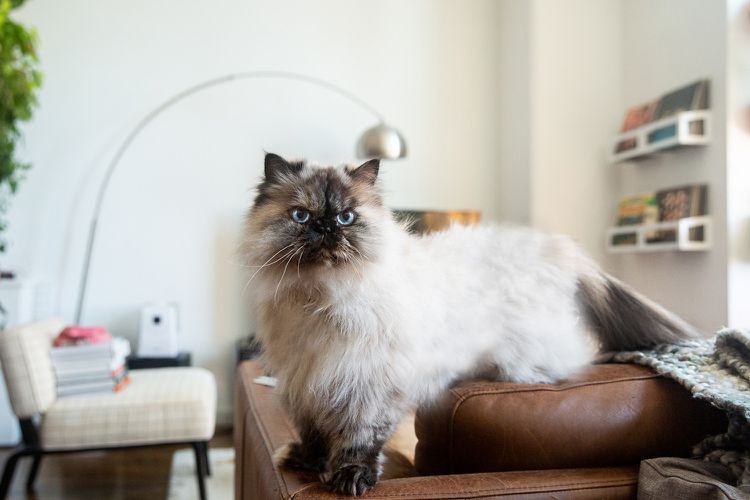
The Himalayan cat is a cross between the Persian and Siamese breeds. Their beautiful long, silk coats come from their Persian relatives, while the pointed coloring on the ears, tail, face, and paws are thanks to their Siamese ancestry—along with their bright blue eyes.
Himalayans, also known as Himmies, are gentle giants of the cat world. They're sweet and playful, adoring any attention and affection they get from their owners. They do require work, however. All that fur requires daily grooming.
Learn more about the Himalayan cat:
Other Names: Himmy
Personality: Sedate, affectionate, gentle, friendly, and intelligent
Weight: 7 to 12 pounds
Length: 12 to 16 inches
Coat Length: Long hair
Coat Color: White to cream
Coat Patterns: Pointed markings, which can be a wide range of colors including chocolate, seal, blue, lilac, and red
Eye Color: Blue
Lifespan: Up to 15 years
Hypoallergenic: No
Origin: United States
Himalayans are gentle, somewhat sedate cats, but they're not boring. These felines enjoy playing with toys, although they aren't likely to go wild climbing your curtains like some other breeds. They are intelligent and very attuned to their owners, often greeting them at the door after an absence. Himalayan cats love to cuddle, be petted, and spend time interacting with their family.
These medium-to-large, sociable cats generally get along well with children who aren't too boisterous, and can settle in very well to a home with other cats and cat-friendly dogs.
Unlike many other breeds, Himalayans don't have a very long history. They've existed for fewer than 100 years, but attempts to breed a long-haired Siamese stretched over decades.
In 1931, Virginia Cobb and Clyde Keeler founded an experimental breeding program and eventually produced a Himalayan kitten named Newton's Debutante. In the 1950s, the Himalayan emerged as the colorpoint longhair.
An American breeder named Marguerita Goforth continued working toward a Siamese-Persian cross. Her attempts to bring recognition to the Himalayan as a new breed were successful. In 1957, this hybrid was officially recognized by the Cat Fanciers' Association (CFA) and the American Cat Fanciers' Association (ACFA).
However, several years later, the Cat Fanciers' Association dropped recognition of the Himalayan as a truly separate breed, instead recognizing it as a division of the Persian. Today, many organizations still do not consider Himalayans and Persians to be distinctly separate breeds.
Daily grooming is a must for Himalayan cats and their long, fluffy coats. That's the main aspect of Himalayan care, though you'll also need to keep your Himmies entertained with plenty of toys.
If you're not willing to dedicate some time to grooming each day, the Himalayan probably isn't the right cat for you. Because they have long, silky hair that tangles and mats easily, a Himalayan's coat should be brushed daily with a sturdy, wide-toothed comb. This will help prevent tangling and mats and remove any dirt, dust, debris, and loose hair.
Himalayans should also visit a professional groomer every few months to ensure their coats are healthy and clean. The good news: Himalayans love to get attention from their owners, which makes grooming easier—and it's an excellent bonding experience for both parties.
You can protect your furniture by trimming your Himalayan's nails regularly, removing just the tip of the claw so as not to cut into the quick. Examine your cat's ears weekly, too. If you find debris in them, know how to clean them. If the ears are very red or inflamed, very dirty, or smell bad, take your cat to the veterinarian as soon as possible.
Like other short-faced cat breeds, Himalayans are prone to tear-staining, called epiphora. This can leave unattractive reddish-brown stains on your cat's face. If this is an issue with your feline, gently wipe their face once or twice a day with a soft, damp cloth to remove the excess tears before they stain. If the color persists, ask your vet to recommend a product specifically formulated to remove the stains. Many are sold over the counter.
Himalayans don't need a ton of exercise, but they'll experience short bursts of zoomies. They're extremely playful and will get into mischief if they become bored. You can keep them entertained and engaged by providing plenty of cat toys and offering a few minutes to playtime each day. Because Himalayans have such playful personalities, something as simple as a ball of paper will keep them entertained for hours.
Like Persians, Himalayans are prone to several health conditions more than other breeds. It's very important to ask for health information from the breeder if you are planning on purchasing a purebred Himalayan kitten. While this does not guarantee that your cat won't develop health issues, it can give you some indication of potentially inheritable conditions the kitten's parents have.
Some common health conditions among Himalayans include:
Be sure to talk to your veterinarian about the best ways to reduce your Himalayan's risk of these health conditions. They'll be able to provide active steps you can take to protect them and an action plan if a health problem does arise.
The gorgeous coat and coloring truly make the Himalayan stand out. The white or cream-colored fur is long and flowing with darker "points" on the face, ears, tail, and legs. The points can be lilac, chocolate, seal, red, and blue. Their tails aren't long, but it is exceptionally fluffy.
A healthy Himalayan should feel muscular and solid but not overly chubby. Their head is somewhat large in proportion to their body size and includes a snubbed nose, flattened face, small ears, and large, wide-set blue eyes.
The cat's eyes should be a vivid blue, and their nose and paw pads should match its point color.
They are definitely not a hypoallergenic cat. They shed considerably without regular grooming.
Your cat's nutritional needs depend on their age, weight, and activity levels, so it's important to talk to your veterinarian about their feeding schedule. Because Himalayans are susceptible to hairballs—it happens with so much shedding—you might want to ask your vet about a food specially formulated to prevent or reduce hairballs.
Feline obesity is a common problem among all breeds, so be careful not to overfeed your cat during regular mealtimes or with treats. If your cat is gaining excessive weight, your veterinarian can provide a customized diet plan.
Himmies are very popular, so it's possible to find one at a cat rescue or shelter if you're persistent. Check out pet adoption websites like Petfinder for breed-specific adoptions, but be aware that you'll mostly find mixes, rather than purebred cats, in a shelter.
Many breeders specialize in Himalayans, so if your heart is set on a purebred cat, look for qualified breeders by searching online or visiting cat shows to speak to breeders in person. You can also look for breeders on the websites of the major cat associations, including The Cat Fanciers' Association.
The Himalayan is a gentle giant with the coloring of a Siamese and the face and body of a Persian. These long-haired beauties are gentle, fairly quiet cats who enjoy cuddling and quiet time with their owners, but they do like to play, as well, and enjoy batting around a ball or swatting a crumpled piece of paper.
Gorgeous appearance
Gentle and quiet personality
Get along fairly well with other pets and children
Require daily grooming
Shed quite a bit
Prone to several health issues
As always, be sure to determine if a Himalayan cat is right for your family's schedule and lifestyle before bringing one home.
If you're interested in breeds similar to the Himalayan cat, check out:
Otherwise, check out all of our other cat breed profiles.
Yes, Himalayans are great pets, provided you spend enough time with them and offer them enough toys to play with when they have bursts of energy. This breed sheds quite a bit without daily brushing, so choose another type of cat if you prefer a low-maintenance pet.
As a general rule, you can expect to pay $1,000 to $2,500 for a show-quality Himalayan. However, a "pet quality" cat might only cost a couple of hundred dollars. You may find a Himalayan mix in a shelter or rescue for a much lower price.
While mixed-breed cats are more common overall than purebreds, Himalayans are not a rare type of feline. Persians are one of the most popular breeds of purebred cats, and Himalayans are one of the most popular varieties of Persians.
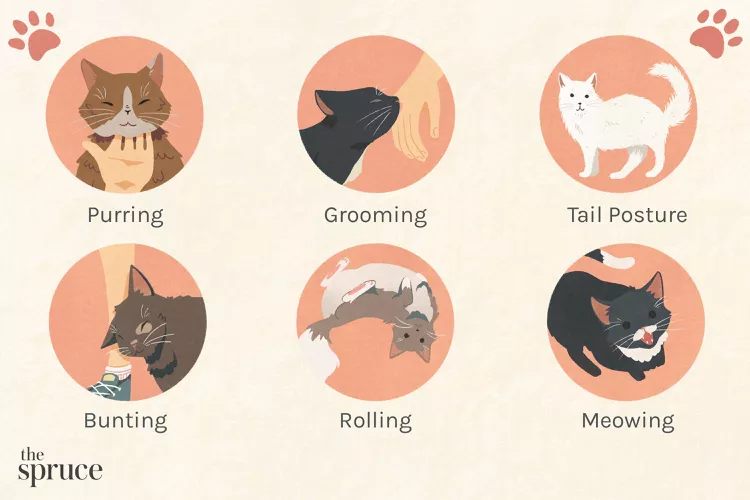
How Cats Show They Love You
Cats show their love in many ways and it usually involves body language and other behaviors. Find out if your cat is trying to tell you they love you.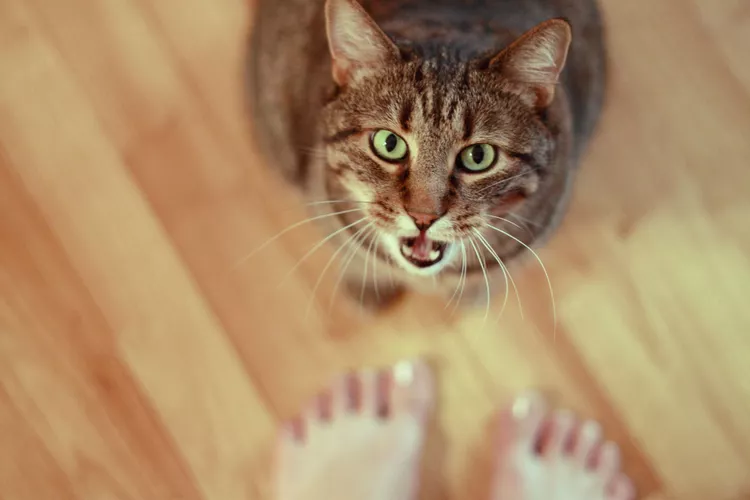
Why Your Cat Is Meowing So Much—and Other Ways They Seek Your Attention
Attention-seeking behavior in cats and excessive vocalization often go hand-in-hand. Learn about the types and causes of these behaviors.
Why Do Cats Groom and Lick Themselves So Often?
Cats may spend as much as half their time grooming and licking themselves. What leads to this behavior, and how does it help your cat?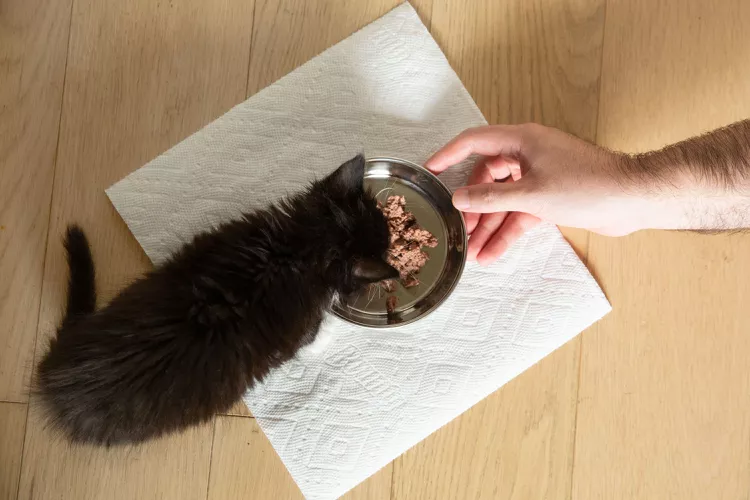
Why Does My Cat Scratch the Floor After Eating?
Many cats paw at the floor or bury their food. It's a natural behavior, but it's easy to modify.
How to Stop a Cat from Spraying
Urine spraying, or marking, is different than urinating outside of the litter box. Learn about why cats will urine spray and what to do about it.
Do Cats Cry When They Are Sad or in Pain?
Cats don't cry the way people do. Your cat can produce tears, but not ones of sadness. Explore the truth behind a cat's emotions and what those tears mean.
How to Train Your Cat to Not Be Mean
Learn about mean cats and angry cat behavior. Understand why cats sometimes hate hugs and learn steps to make cats happy (or happier).
How to Crate Train Your Cat
Crate training is not just for dogs. Follow these steps to train your cat to the crate so you can have less stressful car rides and vet visits.
Why Cats Stare at You While You Sleep and How to Stop It
Cats are known to stare at humans while they sleep. Find out why and how to stop it.
How to Stop Your Cat From Tracking Litter and Poop
While they're generally clean animals, sometimes cats get poop on their paws, and track litter outside the box. Learn how to stop this behavior.
Is My Cat Happy?
Cats tell us that they are happy by vocalizing their pleasure, showing their moods by their body language, and plainly acting happy.
How to Stop Your Cat From Pooping in the Sink or Bathtub
It's frustrating and unpleasant when your cat defecates in the sink or tub, but you can stop the unwanted behavior with some of these techniques.
22 Weird Cat Behaviors You're Not Sure About
Explore 22 weird cat behaviors and why they do them. Many are methods of cat communication, from winking to bunting, rolling, sneering, and kneading.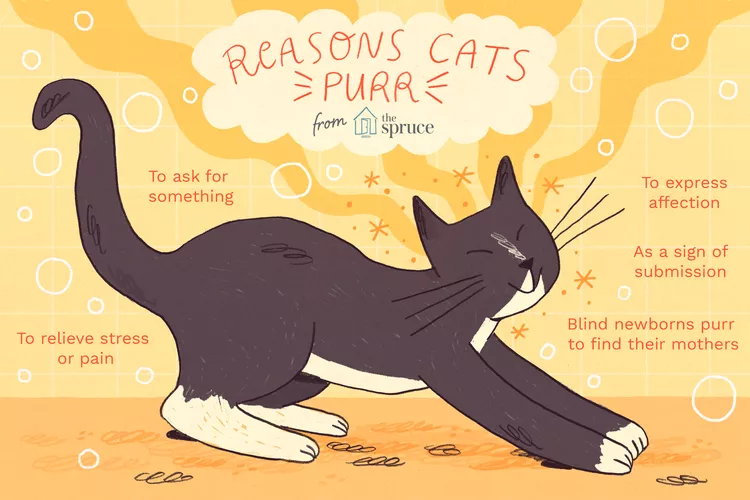
Understanding the Purring of Cats
Get a better understanding of variations on cat purring. Cats purr to communicate and even have special purrs.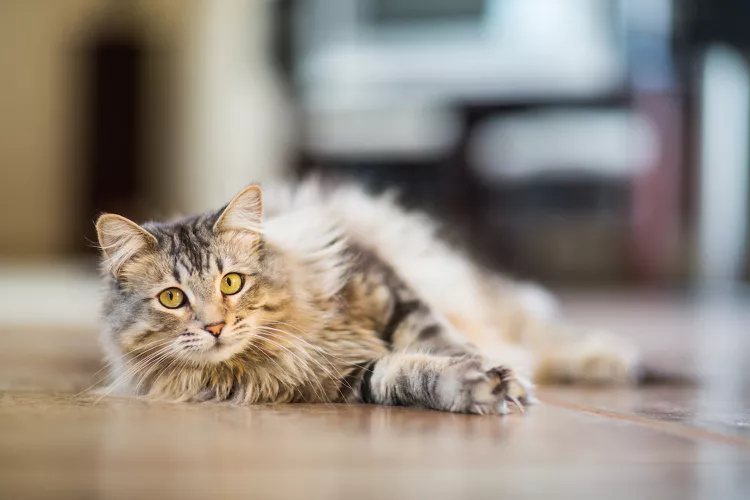
What Is Scruffing in Cats?
Learn more about the origins of cat scruffing and why you should not be scruffing your cat.
Understanding How Cats Speak Through Ear Movements
Cat owners can learn "cat talk" and get a deeper understanding of how cats use their cat ears to communicate different emotions.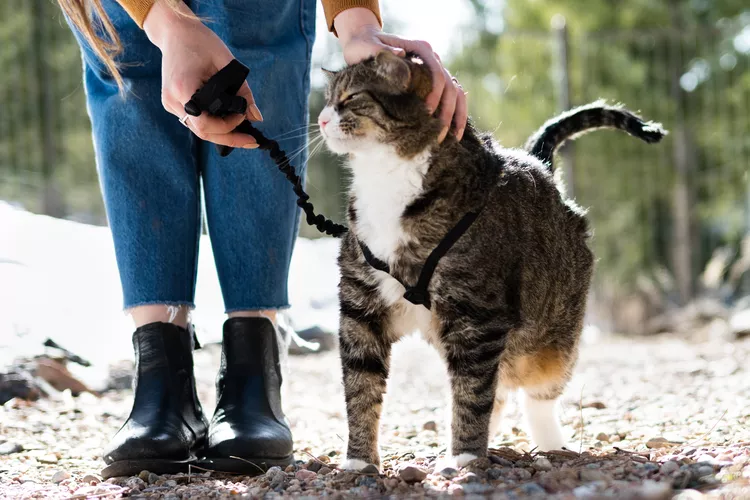
Safe Solutions for Indoor Cats That Want to Go Outside
Cat lovers who want their cats to enjoy fresh air and sunshine often feel guilt by confining their cats to the indoors. Here are safe compromises.
How to Discipline Your Cat the Right Way
Cats are mischievous but sometimes they also misbehave. Learn how to safely and effectively discipline a cat and positively change their behavior.
How to Stop Cats From Biting and Scratching
Cats learn to bite and scratch as kittens and may need to be retrained when they grow older. These behaviors can be changed with time and patience.
Reasons Why a Cat Doesn't Meow
When a cat doesn't meow, it is often just natural behavior, but when its silence is accompanied by other symptoms, have a vet examine your pet.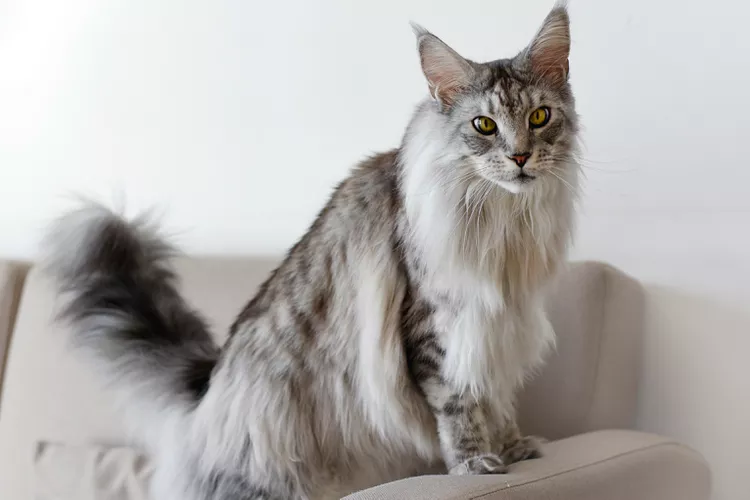
Top 10 Big House Cats
Larger cat breeds, like Maine coons and savannahs, deserve just as much love as their petite counterparts. These big house cats tip the scales.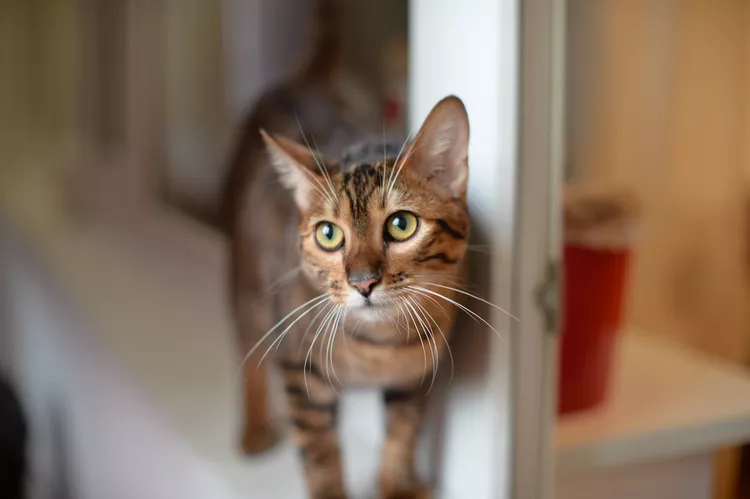
Toyger: Cat Breed Profile, Characteristics & Care
The toyger (toy tiger) cat is a beautiful, rare breed with an easygoing demeanor. These cats are hard to come by but make excellent pets.
Elf Cat: Breed Profile, Characteristics & Care
Elf cats are a new, rare cross between a sphynx and American curl with curly ears and a playful personality.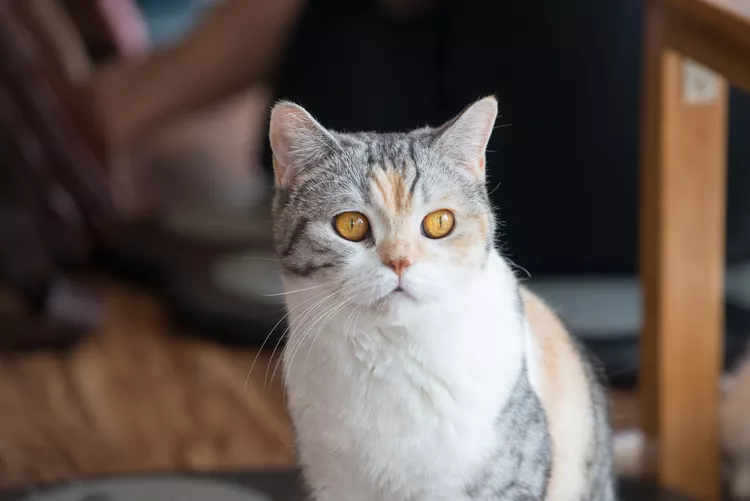
American Wirehair: Breed Profile, Characteristics & Care
The rare American wirehair breed has a distinctive wiry coat and quiet, gentle demeanor. Learn about the American wirehair breed.
Turkish Angora: Cat Breed Profile, Characteristics & Care
The elegant and silky Turkish Angora cat is a playful, affectionate, and sometimes mischievous pet. Learn about the Turkish Angora breed.
Himalayan: Cat Breed Profile, Characteristics & Care
Himalayan cats—crosses of Persian and Siamese breeds—are sweet felines with silky hair. They're great pets if you're willing to care for their coat.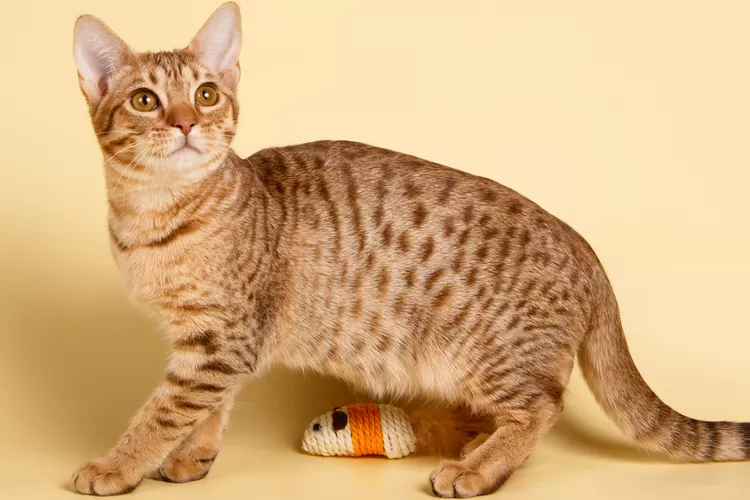
Ocicat: Breed Profile, Characteristics & Care
The ocicat has wild markings, but it is a completely domestic cat that loves to socialize and play. Learn about the ocicat breed.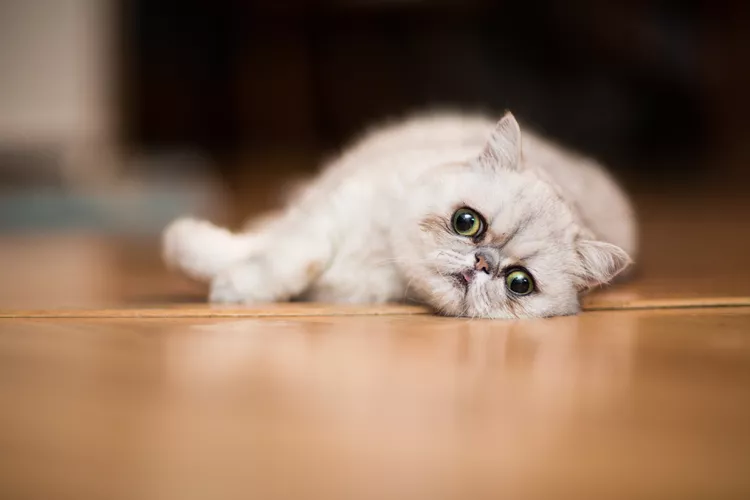
10 Popular Cat Breeds for Many Types of Households
Discover 10 of the most popular cat breeds, including the Maine coon and ragdoll. Learn which types of cats are right for your lifestyle.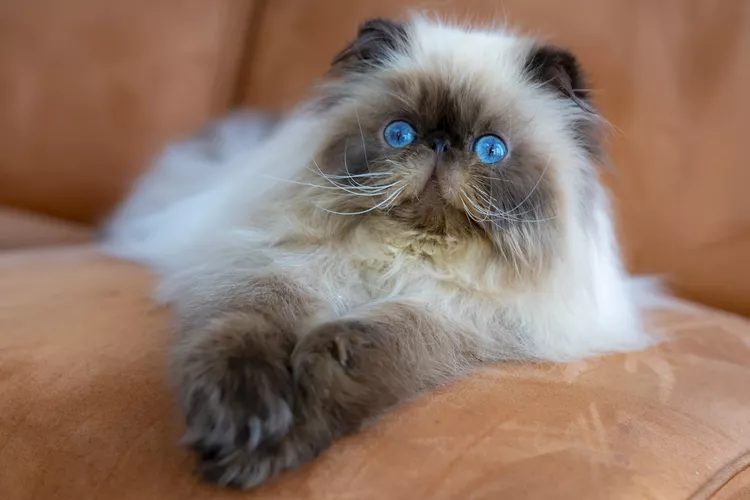
9 Calmest Cat Breeds for Laid-Back People
Calm cat breeds like the Persian and ragdoll are ideal for people who like a mellow pet. Meet nine of the calmest cat breeds.
Persian Cat: Breed Profile, Characteristics & Care
The Persian cat is sweet, laid-back, and regal, with a luxurious long coat. Learn more about this long-cherished cat breed.
Mixed-Breed Cat (Moggy): Breed Profile, Characteristics & Care
"Mixed-breed" is a catch-all term for cats without pedigrees. Called moggies in the UK, these cats make perfect pets. Learn about the mixed-breed cat.
7 Hybrid Cats Breeds
Hybrid cat breeds can make appealing pets since they look more exotic than domestic house cats, but they aren't for everyone.
Japanese Bobtail: Cat Breed Profile, Characteristics & Care
The Japanese bobtail is recognized for its bunny-like tail and is loved for its friendly, playful personality. Learn about the Japanese bobtail breed.
10 Cat Breeds That Are Rare to Find
Most house cats in the U.S. are not pedigreed or purebred, so even the most common breeds are rare. Take a look at the rarest of the purebreds.
Ragamuffin: Cat Breed Profile
Learn about the personality, history, and care for Ragamuffin cats.
How to Know When to Call the Vet for Your Cat
How to know when to call your veterinarian for your cat.
How to Tell if a Cat Is Pregnant
Could your cat be pregnant? Learn about the signs of pregnancy in cats. If you spot these telltale signs, it may be time to schedule a vet appointment. Here's how to tell if your cat is pregnant.
Are Tulips Toxic to Cats?
Tulips are one of many flowers that are toxic to cats. Learn the dangers, what to do in the case of ingestion, and how to keep your cat safe from tulip toxicity.
Constipation in Cats
Constipation in cats is a common, but uncomfortable, digestive disturbance. Find out what causes cat constipation and its treatment and prevention.
Feline Immunodeficiency Virus (FIV) in Cats
FIV is a common and potentially deadly feline disease. With good veterinary care, though, cats with FIV can survive many years after diagnosis.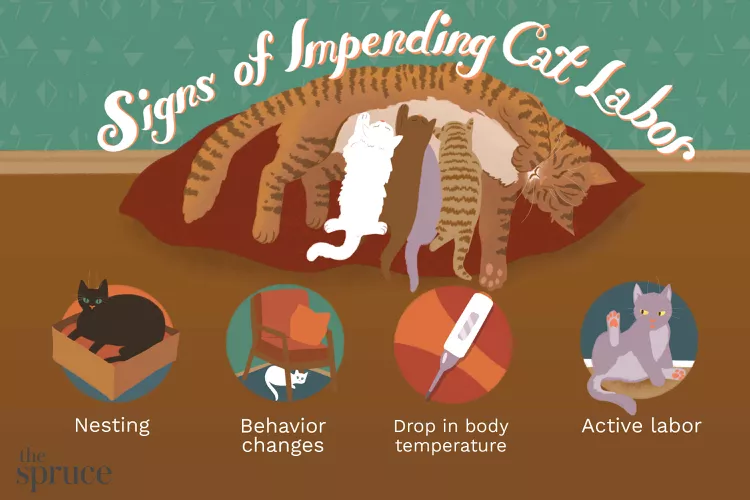
How to Help a Pregnant Cat Give Birth
Your pregnant cat may be able to give birth with no problems. However, if trouble arises, knowing in advance what to look for will help the process.
Can Indoor Cats Get Fleas?
It may be surprising to learn that indoor cats can and do get fleas too. Learn what to look for and how to treat these itchy pests.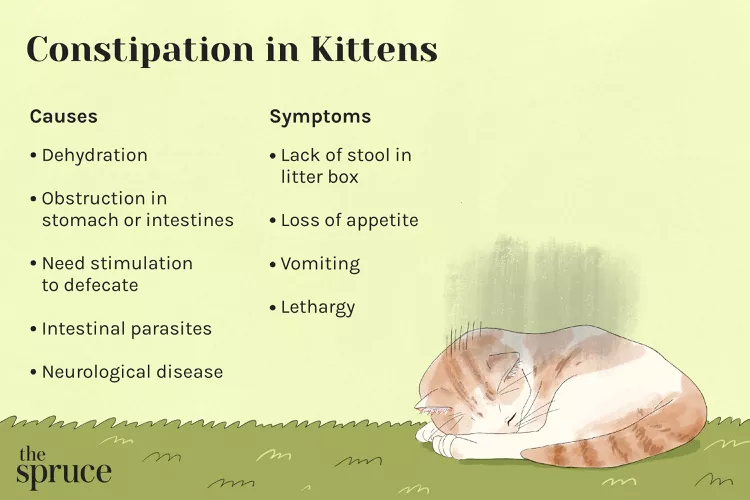
Kitten Constipation: What to Do When You Kitten Can't Poop
Kittens usually experience more diarrhea than constipation, but a kitten that has trouble passing stool, or is not defecating can be just as serious.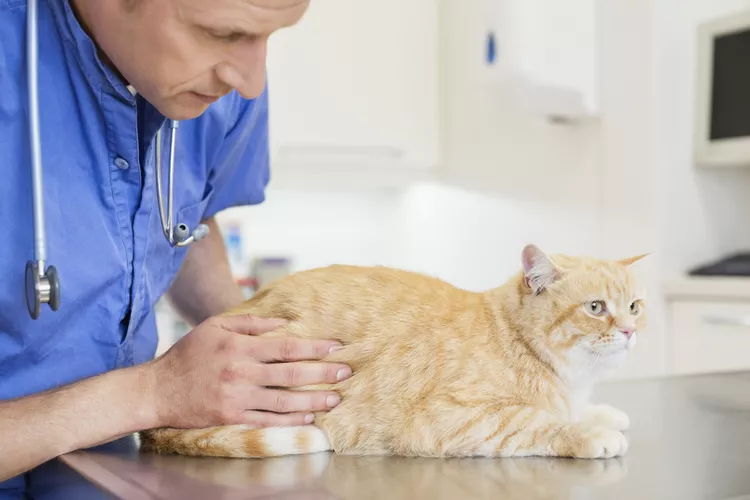
How to Take Your Cat's Temperature
Your cat's temperature should be between 100.4 and 102.5 degrees Fahrenheit. Learn how to take its temperature and determine if it has a fever.
Why Is My Cat Throwing Up Its Food?
Cats throw up food for many reasons, and it may be a sign of a serious illness. Find out why your cat is vomiting undigested food and what to do about it, including when to call the vet.
Asthma in Cats
Cats with asthma may wheeze or cough, and they require medical intervention to manage the condition. Learn the causes, treatment, and prevention.
8 Ways to Help a Blind Cat Keep Safe in Your Home
Blind cats are much like any other cats, except you might want to do some things around the house to help them get around safely.
Are Mums Toxic to Cats?
Mums can be dangerous to cats if they eat them or if they come into contact with the skin. Here's what you need to know about chrysanthemum toxicity in cats, including when to contact the vet.
Glaucoma in Cats
Glaucoma is a disease that creates painful eye pressure in cats. Learn the causes, treatment, and prevention.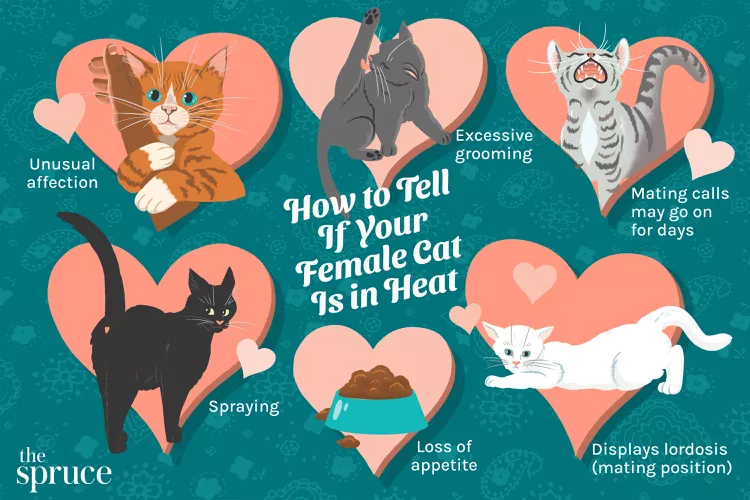
Signs of Heat in Cats
A cat in heat will show several physical and behavioral signs. Here's how to tell if your cat is in heat and how to care for her during this time. Learn the signs and how to prevent pregnancy, even if her cycle has begun.

