
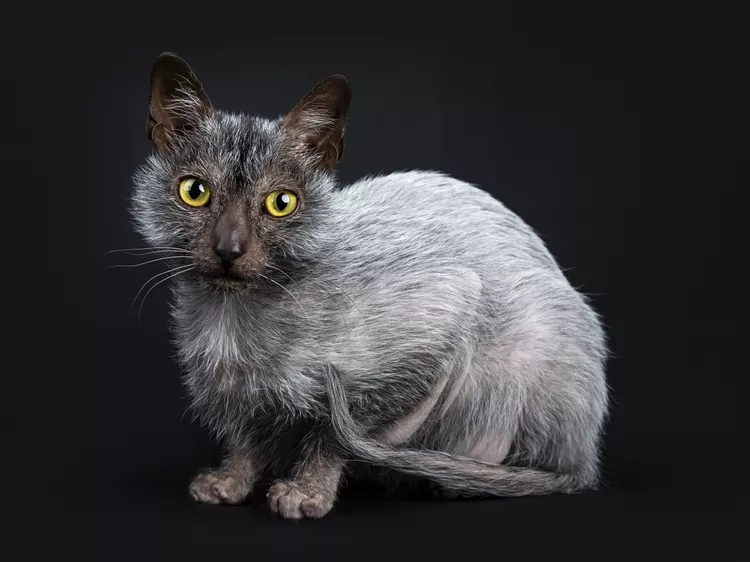
With a unique, partially hairless coat that lends a wolfish appearance, the lykoi looks like no other cat breed. Lykoi also have a hairless mask that connects the nose, muzzle, eyes, and ears, further suggesting the appearance of a werewolf. It should come as no surprise, then, that the breed name was derived from the Greek word "lycos," which means wolf.
According to the breed standard, the Lykoi’s coat should look like that of an opossum. The Lykoi’s coat seems like it would feel rough and wiry, but it’s actually soft and silky to the touch. There is no undercoat, and the guard hairs grow in varying amounts, which differs among individual cats and also throughout the year. Although some Lykoi are almost entirely hairless at times, in the show ring, more coat is preferable to less coat.
Lykoi should have roaning, which is a color pattern consisting of a mixture of pigmented hairs and non-pigmented white hairs (amelanistic hairs). Roaning is best seen on solid-colored cats, especially black roan.
Wolf-like looks aside, the Lykoi is far from scary. This is an outgoing, friendly breed that’s happy to meet new people and play. They are loyal and bond closely with their favorite humans. Lykoi are wonderful family cats that do best when kept indoors. If allowed to roam outdoors, their sparse hair coat makes this breed prone to sunburn and skin damage.
OTHER NAMES: Wolf cat or werewolf cat
PERSONALITY: Friendly, outgoing and playful
WEIGHT: About 6 to 12 pounds
LENGTH: About 11 to 14 inches.
COAT LENGTH: Hairless, short
COAT COLOR: Black/ebony in solid or color point patterns
EYE COLOR: Gold preferred
LIFE EXPECTANCY: 15 to 20 years
HYPOALLERGENIC: No
ORIGIN: United States
The Lykoi is an extremely outgoing and sociable cat breed. The breed is known for getting along well with people of all ages, other cats, and even dogs (those that are gentle with cats). Lykoi love to play! They, of course, enjoy playing with their people, but they will also happily play with other cats or even by themselves if need be. Many even like to pay fetch just like a dog. Once they burn off some energy, Lykoi might pause for a few snuggles, but they will likely be off again in search of entertainment before too long. This breed should be kept strictly indoors due to their sparse hair coat. Like fully hairless cats, Lykoi are prone to sunburn and may also cut or scrape their skin if climbing around outside. They can also get chilled quickly if outdoors in cold temperatures and are at risk of hypothermia.
The Lykoi is the result of a natural mutation that occurred amongst cats in a feral cat colony in the United States. Between 2010 and 2011, a few breeders health tested some of these cats and experimented with breeding. They discovered the gene for the partial hairlessness was recessive, so they outcrossed the Lykoi-type cats with black domestic cats to reduce genetic inbreeding. Lykoi may still be outcrossed with domestic shorthair cats today.
The Lykoi's unique coat doesn’t shed much and doesn’t need a lot of brushing, but it requires some special care. If you do brush, be sure the bristles are extremely soft to avoid scratching their delicate skin. Before buying a brush, test the bristles against the skin of your forearm to ensure they are soft enough.
Like fully hairless breeds, Lykoi need more frequent bathing than you might expect for a cat. Bathing with a moisturizing shampoo removes excess oils from the skin and prevents clogged pores, which can lead to blackheads—a form of acne. How often your Lykoi needs a bath varies from cat to cat. Ask your breeder or veterinary for advice on how frequently to wash your Lykoi and what shampoo to use.
Trim your Lykoi’s nails once a week or every other week to keep them short. Also get into the habit of looking inside the ears at bath time. If you see any wax or dirt, use a pet ear cleaner and cotton balls to clean the ears (never stick anything into the ear such as a cotton swab, which could damage your cat’s ear drum). If the ears look red or excessively dirty, schedule a checkup with your veterinarian.
Lykoi are extremely active, so make sure they have plenty of toys and places to climb and explore. If you provide enough toys, Lykoi are happy to play with anyone—you, another cat, even by themselves. Rotate the toys occasionally, putting some away and bringing different ones out to keep things interesting. Provide various scratchers in approved scratching areas in your house, trying both vertical scratchers (such as tall posts or cat trees) and horizontal scratchers (such as cardboard or sisal scratchers that lie flat on the ground).
Some purebred cats are more prone to developing certain breed-specific diseases. Lykoi have no known health concerns besides skin problems, though Lykoi cat breeders have their adult cats screened for good health and various problems common in cats prior to breeding them to keep from passing unwanted health issues on to kittens.
The Lykoi is a medium-sized cat with a unique, partially hairless roan coat and hairless mask on the face that lends a werewolf-life appearance. The ears are large and hairless, and the eyes are medium and oval to round, with hairless rims. The nose is hairless. The Lykoi is slender with solid medium boning. The hair coat is sparse, with no undercoat. The coat of the black roan Lykoi is a mixture of solid black and solid white hairs, which contributes to the cat’s wolfish look.
As with all cats, the Lykoi should not be allowed to become overweight, which can lead to obesity-related health issues like diabetes and heart disease. To keep your Lykoi lean, feed adults measured meals twice a day rather than free feeding (keeping the food bowl filled all the time). Young kittens should eat three times a day. If you’re not sure what to feed or how much food your Lykoi should be eating, talk to your veterinarian.
The Lykoi is extremely rare. If you long to purchase a Lykoi kitten, prepare to get on a long waiting list. The Cat Fanciers' Association and The International Cat Association both list active Lykoi breeders on their respective websites. It’s unlikely that you would find an adult or kitten Lykoi in an animal shelter or rescue group, but breeders might know of someone looking to re-home their adult Lykoi. It’s also possible, though rare, to find a domestic shorthair with a Lykoi-like genetic mutation in a shelter or with a rescue group.
The Lykoi’s werewolf appearance is a definite conversation starter, and people eventually fall in love with this breed’s sweet, fun personality. Happiest when playing with you, the Lykoi is neither independent nor shy but a ball of fun-loving energy. They get along great with almost anybody, human and animal, and just want to be part of the action. They might swing by for a quick cuddle if your lap, especially if it’s cold out, but they will soon be off looking for their next adventure.
Friendly, outgoing and playful
Gets along with kids, cats and dogs
Does not shed much
May pester you for attention
Doesn’t do well if left alone for long periods
Need frequent bathing
If you like the Lykoi cat, you might also like these cat breeds:
· Donskoy
· Sphynx
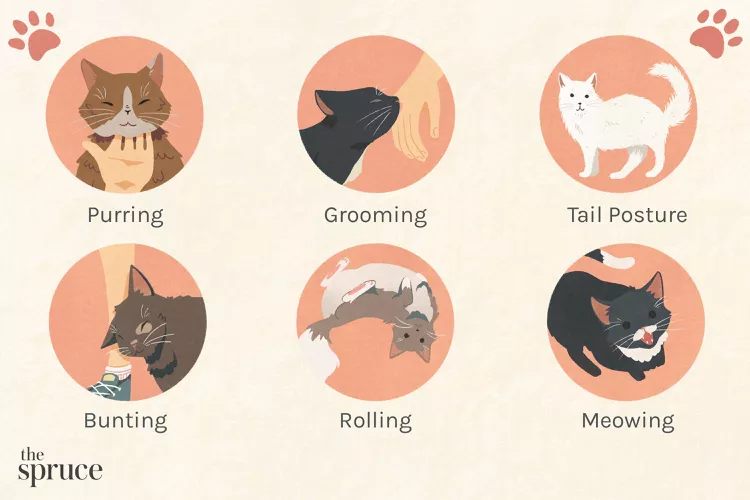
How Cats Show They Love You
Cats show their love in many ways and it usually involves body language and other behaviors. Find out if your cat is trying to tell you they love you.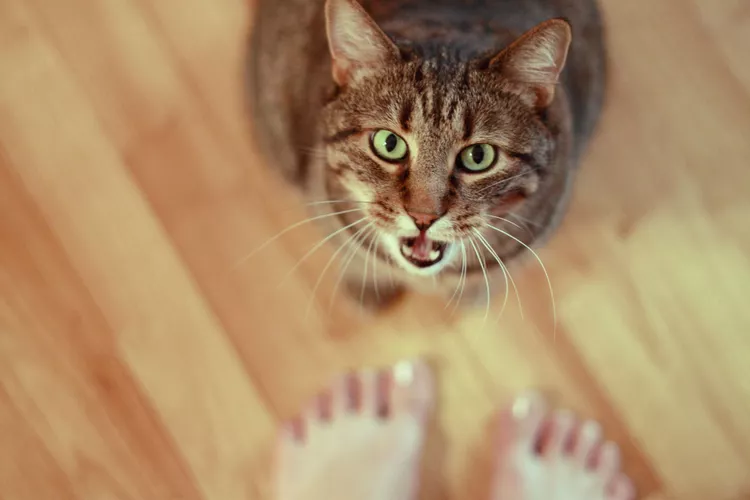
Why Your Cat Is Meowing So Much—and Other Ways They Seek Your Attention
Attention-seeking behavior in cats and excessive vocalization often go hand-in-hand. Learn about the types and causes of these behaviors.
Why Do Cats Groom and Lick Themselves So Often?
Cats may spend as much as half their time grooming and licking themselves. What leads to this behavior, and how does it help your cat?
Why Does My Cat Scratch the Floor After Eating?
Many cats paw at the floor or bury their food. It's a natural behavior, but it's easy to modify.
How to Stop a Cat from Spraying
Urine spraying, or marking, is different than urinating outside of the litter box. Learn about why cats will urine spray and what to do about it.
Do Cats Cry When They Are Sad or in Pain?
Cats don't cry the way people do. Your cat can produce tears, but not ones of sadness. Explore the truth behind a cat's emotions and what those tears mean.
How to Train Your Cat to Not Be Mean
Learn about mean cats and angry cat behavior. Understand why cats sometimes hate hugs and learn steps to make cats happy (or happier).
How to Crate Train Your Cat
Crate training is not just for dogs. Follow these steps to train your cat to the crate so you can have less stressful car rides and vet visits.
Why Cats Stare at You While You Sleep and How to Stop It
Cats are known to stare at humans while they sleep. Find out why and how to stop it.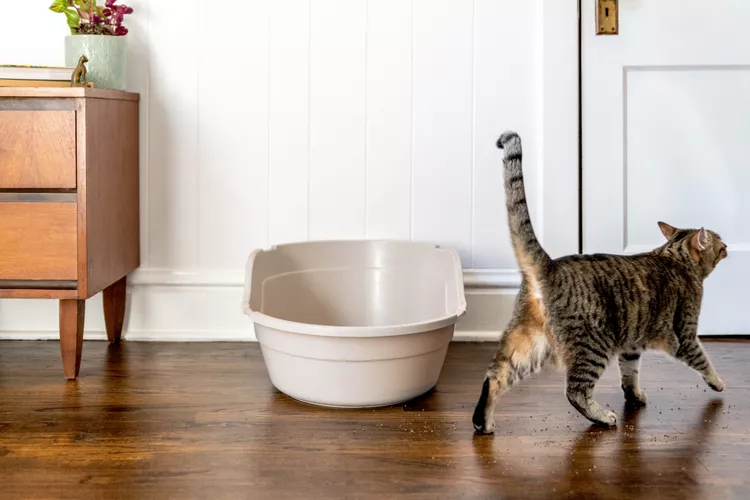
How to Stop Your Cat From Tracking Litter and Poop
While they're generally clean animals, sometimes cats get poop on their paws, and track litter outside the box. Learn how to stop this behavior.
Is My Cat Happy?
Cats tell us that they are happy by vocalizing their pleasure, showing their moods by their body language, and plainly acting happy.
How to Stop Your Cat From Pooping in the Sink or Bathtub
It's frustrating and unpleasant when your cat defecates in the sink or tub, but you can stop the unwanted behavior with some of these techniques.
22 Weird Cat Behaviors You're Not Sure About
Explore 22 weird cat behaviors and why they do them. Many are methods of cat communication, from winking to bunting, rolling, sneering, and kneading.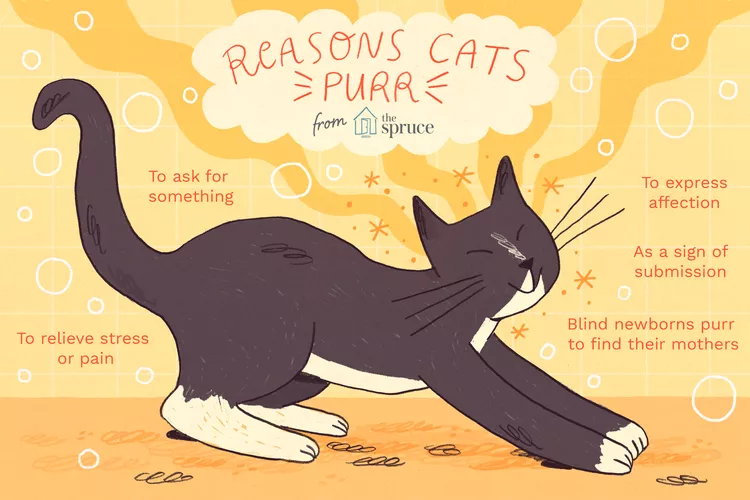
Understanding the Purring of Cats
Get a better understanding of variations on cat purring. Cats purr to communicate and even have special purrs.
What Is Scruffing in Cats?
Learn more about the origins of cat scruffing and why you should not be scruffing your cat.
Understanding How Cats Speak Through Ear Movements
Cat owners can learn "cat talk" and get a deeper understanding of how cats use their cat ears to communicate different emotions.
Safe Solutions for Indoor Cats That Want to Go Outside
Cat lovers who want their cats to enjoy fresh air and sunshine often feel guilt by confining their cats to the indoors. Here are safe compromises.
How to Discipline Your Cat the Right Way
Cats are mischievous but sometimes they also misbehave. Learn how to safely and effectively discipline a cat and positively change their behavior.
How to Stop Cats From Biting and Scratching
Cats learn to bite and scratch as kittens and may need to be retrained when they grow older. These behaviors can be changed with time and patience.
Reasons Why a Cat Doesn't Meow
When a cat doesn't meow, it is often just natural behavior, but when its silence is accompanied by other symptoms, have a vet examine your pet.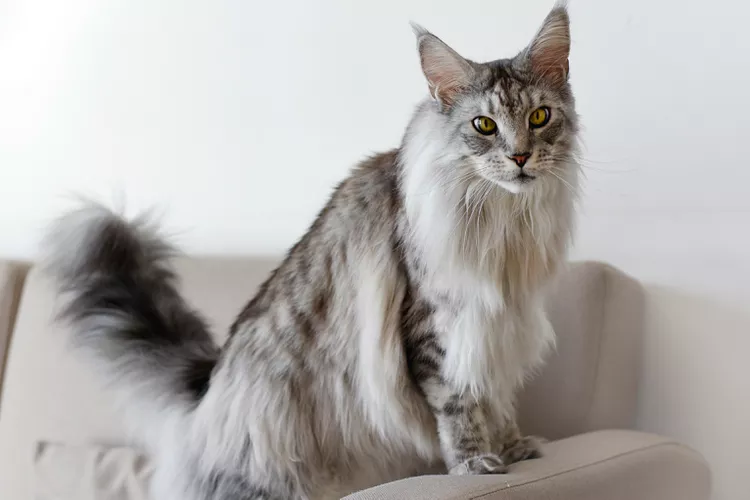
Top 10 Big House Cats
Larger cat breeds, like Maine coons and savannahs, deserve just as much love as their petite counterparts. These big house cats tip the scales.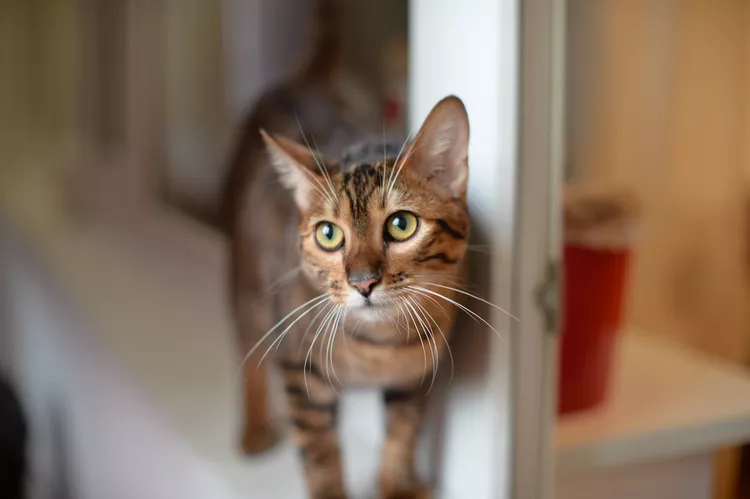
Toyger: Cat Breed Profile, Characteristics & Care
The toyger (toy tiger) cat is a beautiful, rare breed with an easygoing demeanor. These cats are hard to come by but make excellent pets.
Elf Cat: Breed Profile, Characteristics & Care
Elf cats are a new, rare cross between a sphynx and American curl with curly ears and a playful personality.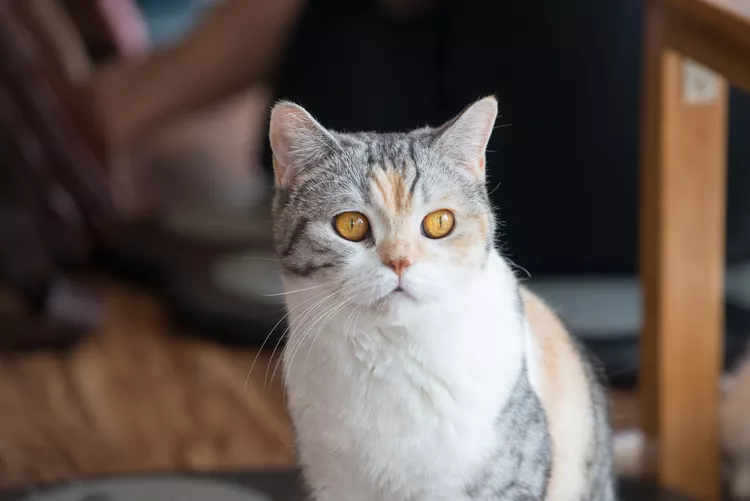
American Wirehair: Breed Profile, Characteristics & Care
The rare American wirehair breed has a distinctive wiry coat and quiet, gentle demeanor. Learn about the American wirehair breed.
Turkish Angora: Cat Breed Profile, Characteristics & Care
The elegant and silky Turkish Angora cat is a playful, affectionate, and sometimes mischievous pet. Learn about the Turkish Angora breed.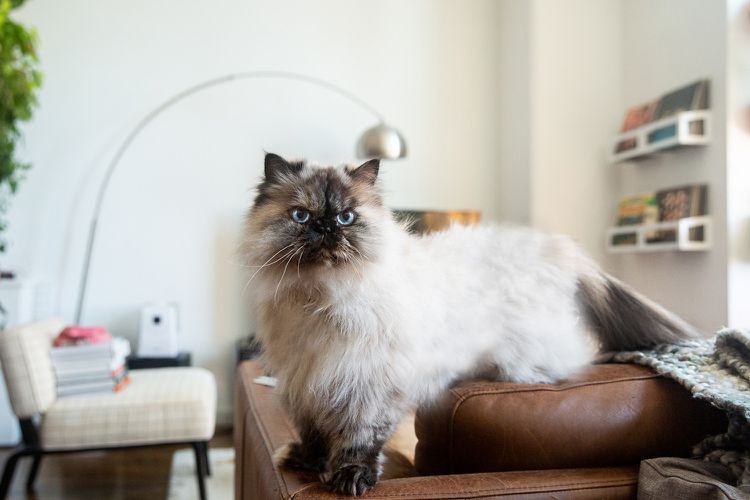
Himalayan: Cat Breed Profile, Characteristics & Care
Himalayan cats—crosses of Persian and Siamese breeds—are sweet felines with silky hair. They're great pets if you're willing to care for their coat.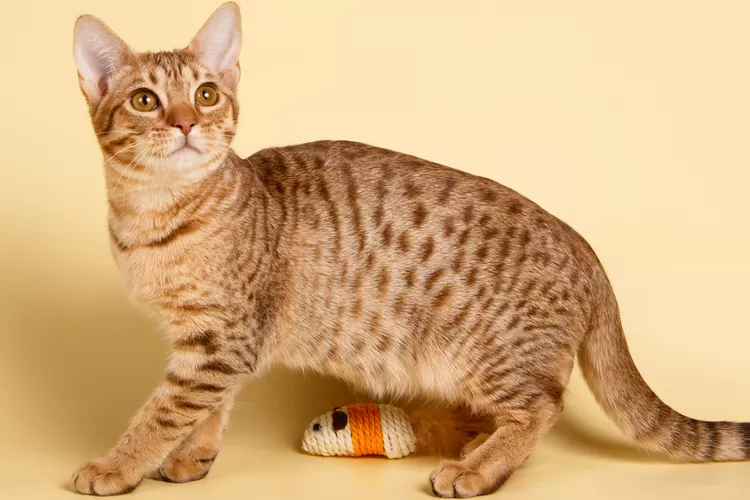
Ocicat: Breed Profile, Characteristics & Care
The ocicat has wild markings, but it is a completely domestic cat that loves to socialize and play. Learn about the ocicat breed.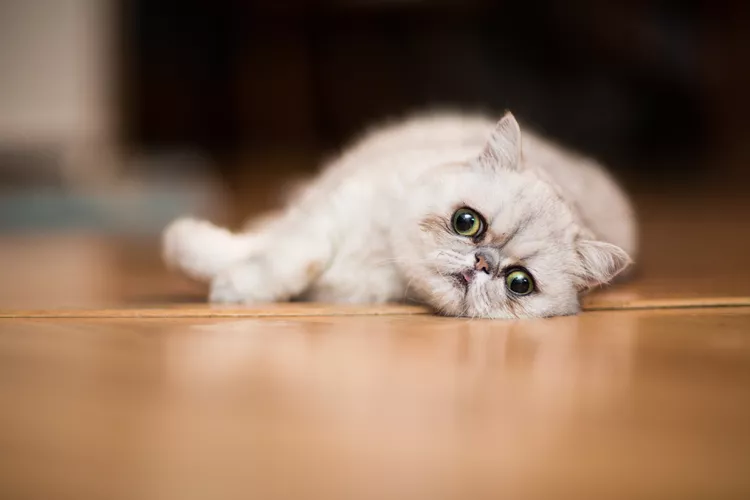
10 Popular Cat Breeds for Many Types of Households
Discover 10 of the most popular cat breeds, including the Maine coon and ragdoll. Learn which types of cats are right for your lifestyle.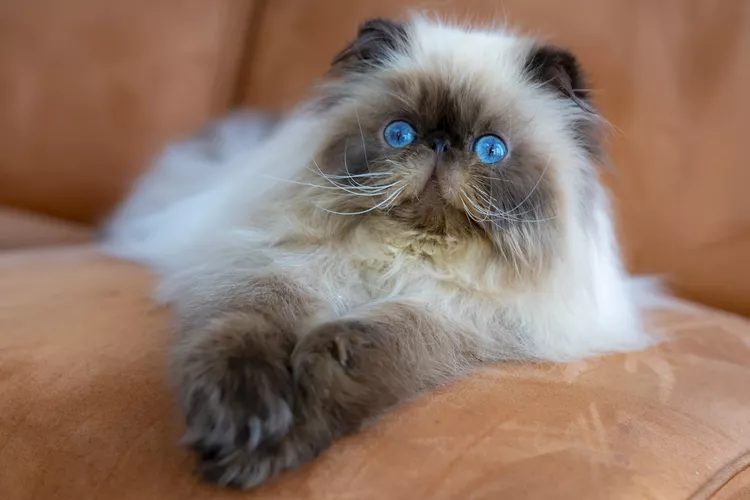
9 Calmest Cat Breeds for Laid-Back People
Calm cat breeds like the Persian and ragdoll are ideal for people who like a mellow pet. Meet nine of the calmest cat breeds.
Persian Cat: Breed Profile, Characteristics & Care
The Persian cat is sweet, laid-back, and regal, with a luxurious long coat. Learn more about this long-cherished cat breed.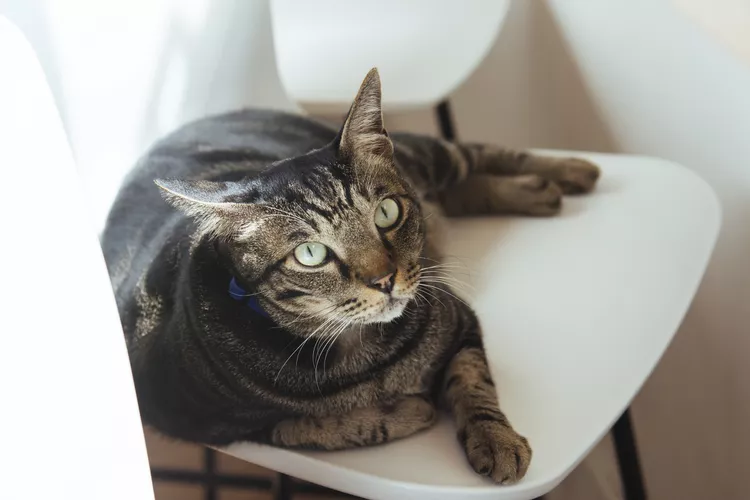
Mixed-Breed Cat (Moggy): Breed Profile, Characteristics & Care
"Mixed-breed" is a catch-all term for cats without pedigrees. Called moggies in the UK, these cats make perfect pets. Learn about the mixed-breed cat.
7 Hybrid Cats Breeds
Hybrid cat breeds can make appealing pets since they look more exotic than domestic house cats, but they aren't for everyone.
Japanese Bobtail: Cat Breed Profile, Characteristics & Care
The Japanese bobtail is recognized for its bunny-like tail and is loved for its friendly, playful personality. Learn about the Japanese bobtail breed.
10 Cat Breeds That Are Rare to Find
Most house cats in the U.S. are not pedigreed or purebred, so even the most common breeds are rare. Take a look at the rarest of the purebreds.
Ragamuffin: Cat Breed Profile
Learn about the personality, history, and care for Ragamuffin cats.
How to Know When to Call the Vet for Your Cat
How to know when to call your veterinarian for your cat.
How to Tell if a Cat Is Pregnant
Could your cat be pregnant? Learn about the signs of pregnancy in cats. If you spot these telltale signs, it may be time to schedule a vet appointment. Here's how to tell if your cat is pregnant.
Are Tulips Toxic to Cats?
Tulips are one of many flowers that are toxic to cats. Learn the dangers, what to do in the case of ingestion, and how to keep your cat safe from tulip toxicity.
Constipation in Cats
Constipation in cats is a common, but uncomfortable, digestive disturbance. Find out what causes cat constipation and its treatment and prevention.
Feline Immunodeficiency Virus (FIV) in Cats
FIV is a common and potentially deadly feline disease. With good veterinary care, though, cats with FIV can survive many years after diagnosis.
How to Help a Pregnant Cat Give Birth
Your pregnant cat may be able to give birth with no problems. However, if trouble arises, knowing in advance what to look for will help the process.
Can Indoor Cats Get Fleas?
It may be surprising to learn that indoor cats can and do get fleas too. Learn what to look for and how to treat these itchy pests.
Kitten Constipation: What to Do When You Kitten Can't Poop
Kittens usually experience more diarrhea than constipation, but a kitten that has trouble passing stool, or is not defecating can be just as serious.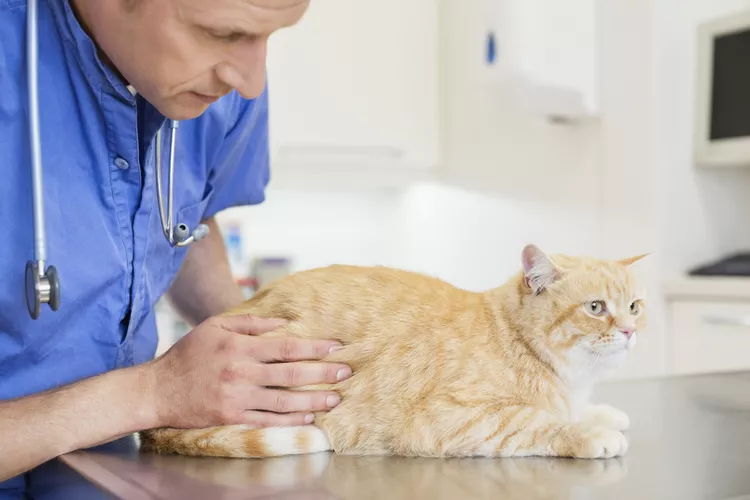
How to Take Your Cat's Temperature
Your cat's temperature should be between 100.4 and 102.5 degrees Fahrenheit. Learn how to take its temperature and determine if it has a fever.
Why Is My Cat Throwing Up Its Food?
Cats throw up food for many reasons, and it may be a sign of a serious illness. Find out why your cat is vomiting undigested food and what to do about it, including when to call the vet.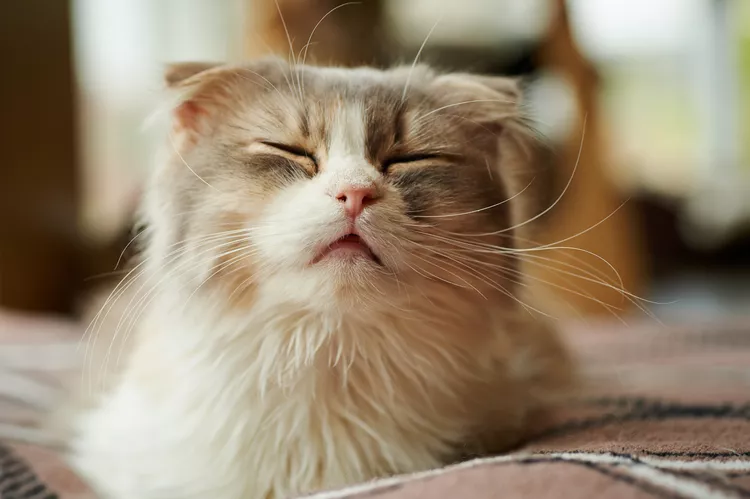
Asthma in Cats
Cats with asthma may wheeze or cough, and they require medical intervention to manage the condition. Learn the causes, treatment, and prevention.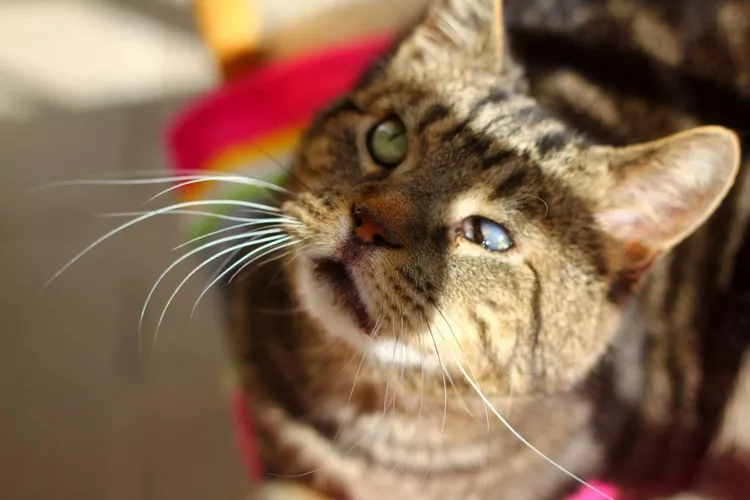
8 Ways to Help a Blind Cat Keep Safe in Your Home
Blind cats are much like any other cats, except you might want to do some things around the house to help them get around safely.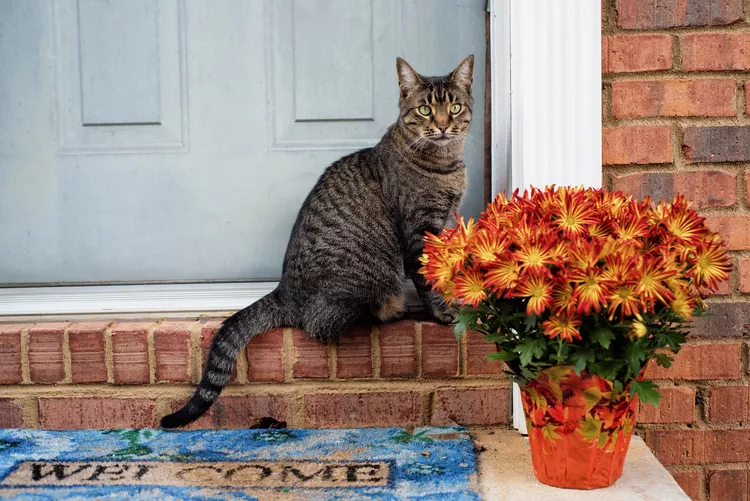
Are Mums Toxic to Cats?
Mums can be dangerous to cats if they eat them or if they come into contact with the skin. Here's what you need to know about chrysanthemum toxicity in cats, including when to contact the vet.
Glaucoma in Cats
Glaucoma is a disease that creates painful eye pressure in cats. Learn the causes, treatment, and prevention.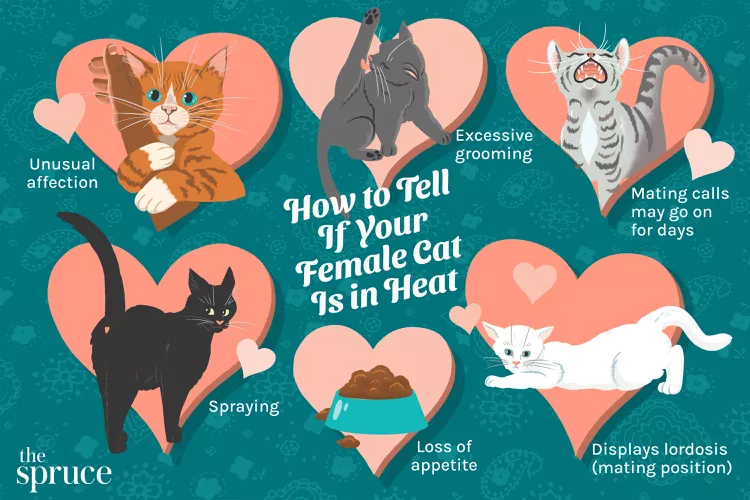
Signs of Heat in Cats
A cat in heat will show several physical and behavioral signs. Here's how to tell if your cat is in heat and how to care for her during this time. Learn the signs and how to prevent pregnancy, even if her cycle has begun.

