
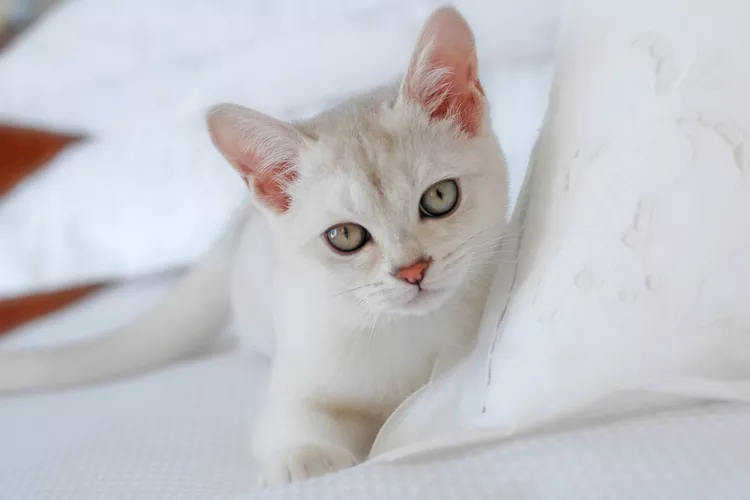
The beautiful burmilla is one of the newest breeds to be officially recognized by the Cat Fanciers' Association. It came about as the result of an accidental mating between a Burmese and a Chinchilla Persian in the 1980s. This sturdy yet elegant cat boasts a silvery-white coat and almost appears to be wearing eyeliner—and nose liner! The breed, while still relatively rare, is beloved by its enthusiasts for being playful, inquisitive, and gentle.
Personality: Friendly, playful, curious, and sociable with an independent streak
Weight: Up to 12 pounds
Length: Up to 20 inches
Coat Length: Short hair or semi-long hair
Coat Colors: Silver-white with tips or shading that can include black, blue, chocolate, cream, lilac, and tortoiseshell
Coat Patterns: Shaded or tipped
Eye Color: Green
Lifespan: Up to 15 years
Hypoallergenic: No
Origin: United Kingdom
The burmilla breed is affectionate and sweet-natured. It loves attention but not in the sometimes demanding manner of the Burmese. It tends to be relatively quiet, although it is generally more playful and curious than the Persian. Burmillas can even be a bit mischievous and are known for having slightly goofy, almost clown-like characters.
Although they do enjoy the company of their people, they have an independent streak, so they make great cats for working owners. They also tend to get along well with other cats and dogs, providing the introductions have been done carefully.
The burmilla has a rather noble and recent history. The breed began quite by accident in the early 1980s when a Chinchilla Persian and a Burmese, owned by a baroness in the United Kingdom, mated unexpectedly.
The resulting kittens had darkly shaded, thick, short coats. They were so striking that the Baroness, who already bred Persians, decided to develop a breeding program for this type of cross.
They gained championship status in the United Kingdom in the 1990s, but it wasn't until 2011 that the Cat Fanciers' Association recognized the burmilla breed.
Short-haired burmillas require little in the way of grooming; an occasional brushing will help remove loose hair and keep their coats shiny. Longer-haired burmillas benefit from regular (weekly) brushings and an occasional bath to keep their silky hair free of tangles.
Burmilla cats often retain a kitten-like exuberance for life well into adulthood, making them fun pets. Because of this playful and curious streak, though, you should make sure your burmilla is getting enough stimulation and enrichment around the home. A bored burmilla could seek out its own means of entertainment—and that could include destructive behavior.
So far, the burmilla does not appear to have any specific genetic problems. Periodontal disease is one of the most common health problems for any cat breed. Making sure you provide a good quality diet and trying to introduce a dental hygiene regime from a young age can be beneficial.
If your cat tolerates having its teeth brushed a few times a week, this can make a big difference. You should always introduce the toothbrush gradually, keeping sessions short. If you pair it with lots of positive rewards, then your cat should learn to accept these sessions more willingly.
The burmilla is a muscular yet elegant medium-sized cat with a thick double-layered coat that feels soft and silky. Occasionally, burmillas can have a slightly longer coat that is classed as semi-long hair. This is a result of the recessive gene from the Chinchilla.
Burmillas come in a variety of coat colors and patterns. They are either tipped or shaded. If they have a tipped coat, this means they have a light color that covers a silver or golden undercoat. The silver-tipped cats can often look close to white. Shaded burmilla have a darker color pattern that primarily appears over the top of their back and shoulders and on the outside of their legs.
The burmilla, like all cats, will need a quality, high-protein diet. They are not as prone to obesity as some other breeds, but care should still be taken to ensure you do not overfeed them.
Because of their rarity, you may have to travel a fair distance or be on a waiting list to secure a burmilla kitten. The Fanciers' Breeder Referral List (FBRL) maintains a directory of cat breeders, including the few burmilla breeders in the United States.
The burmilla is a very adaptable breed, and they make excellent family pets. The Burmese and the Chinchilla Persian both have very different personalities, and the burmilla has inherited positive attributes from each.
Affectionate and playful
A healthy breed
Low maintenance coat
Rare (few breeders in the US)
Their curiosity can sometimes lead to trouble
If you’re interested in similar breeds, check out:
Otherwise, check out all of our other cat breed profiles.
Burmillas are very friendly and playful, but they can also be left alone for short periods because they are fairly independent.
Though rare, a burmilla cat costs between $800 and $1,200, which is comparable to many other breeds.
The burmilla breed is relatively new, but no genetic health problems are apparent in the breed.
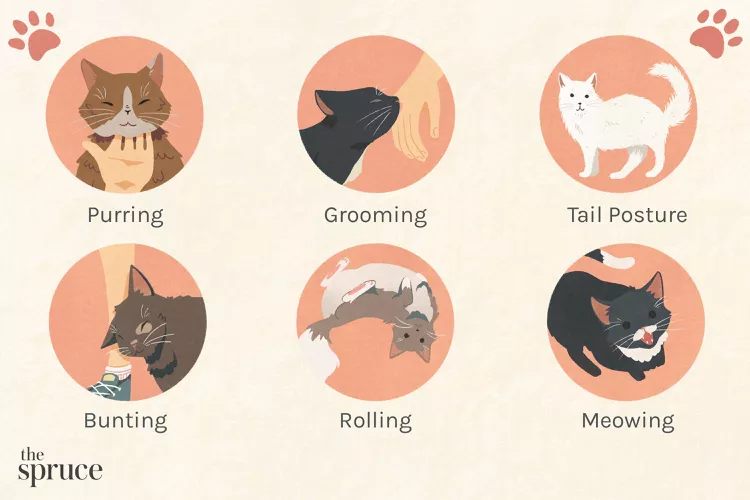
How Cats Show They Love You
Cats show their love in many ways and it usually involves body language and other behaviors. Find out if your cat is trying to tell you they love you.
Why Your Cat Is Meowing So Much—and Other Ways They Seek Your Attention
Attention-seeking behavior in cats and excessive vocalization often go hand-in-hand. Learn about the types and causes of these behaviors.
Why Do Cats Groom and Lick Themselves So Often?
Cats may spend as much as half their time grooming and licking themselves. What leads to this behavior, and how does it help your cat?
Why Does My Cat Scratch the Floor After Eating?
Many cats paw at the floor or bury their food. It's a natural behavior, but it's easy to modify.
How to Stop a Cat from Spraying
Urine spraying, or marking, is different than urinating outside of the litter box. Learn about why cats will urine spray and what to do about it.
Do Cats Cry When They Are Sad or in Pain?
Cats don't cry the way people do. Your cat can produce tears, but not ones of sadness. Explore the truth behind a cat's emotions and what those tears mean.
How to Train Your Cat to Not Be Mean
Learn about mean cats and angry cat behavior. Understand why cats sometimes hate hugs and learn steps to make cats happy (or happier).
How to Crate Train Your Cat
Crate training is not just for dogs. Follow these steps to train your cat to the crate so you can have less stressful car rides and vet visits.
Why Cats Stare at You While You Sleep and How to Stop It
Cats are known to stare at humans while they sleep. Find out why and how to stop it.
How to Stop Your Cat From Tracking Litter and Poop
While they're generally clean animals, sometimes cats get poop on their paws, and track litter outside the box. Learn how to stop this behavior.
Is My Cat Happy?
Cats tell us that they are happy by vocalizing their pleasure, showing their moods by their body language, and plainly acting happy.
How to Stop Your Cat From Pooping in the Sink or Bathtub
It's frustrating and unpleasant when your cat defecates in the sink or tub, but you can stop the unwanted behavior with some of these techniques.
22 Weird Cat Behaviors You're Not Sure About
Explore 22 weird cat behaviors and why they do them. Many are methods of cat communication, from winking to bunting, rolling, sneering, and kneading.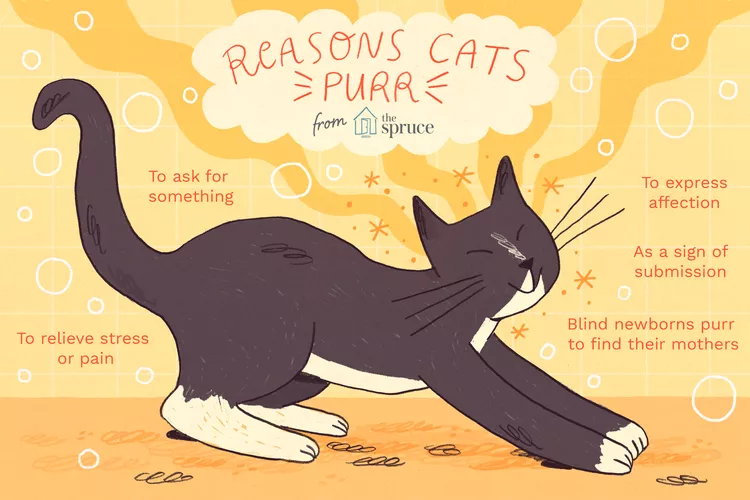
Understanding the Purring of Cats
Get a better understanding of variations on cat purring. Cats purr to communicate and even have special purrs.
What Is Scruffing in Cats?
Learn more about the origins of cat scruffing and why you should not be scruffing your cat.
Understanding How Cats Speak Through Ear Movements
Cat owners can learn "cat talk" and get a deeper understanding of how cats use their cat ears to communicate different emotions.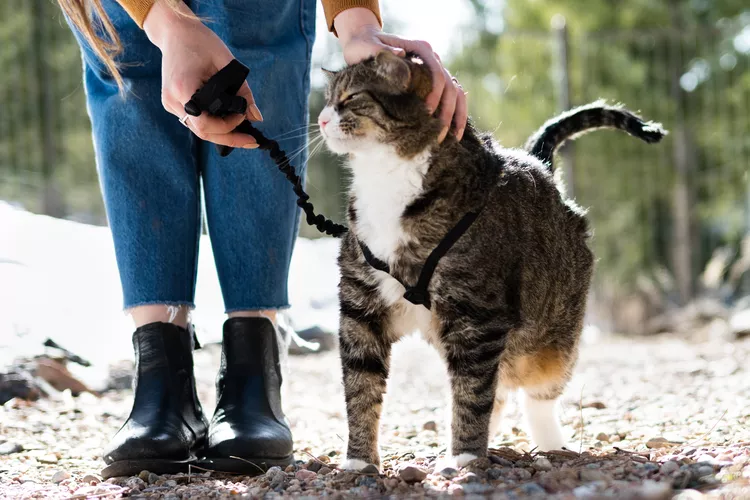
Safe Solutions for Indoor Cats That Want to Go Outside
Cat lovers who want their cats to enjoy fresh air and sunshine often feel guilt by confining their cats to the indoors. Here are safe compromises.
How to Discipline Your Cat the Right Way
Cats are mischievous but sometimes they also misbehave. Learn how to safely and effectively discipline a cat and positively change their behavior.
How to Stop Cats From Biting and Scratching
Cats learn to bite and scratch as kittens and may need to be retrained when they grow older. These behaviors can be changed with time and patience.
Reasons Why a Cat Doesn't Meow
When a cat doesn't meow, it is often just natural behavior, but when its silence is accompanied by other symptoms, have a vet examine your pet.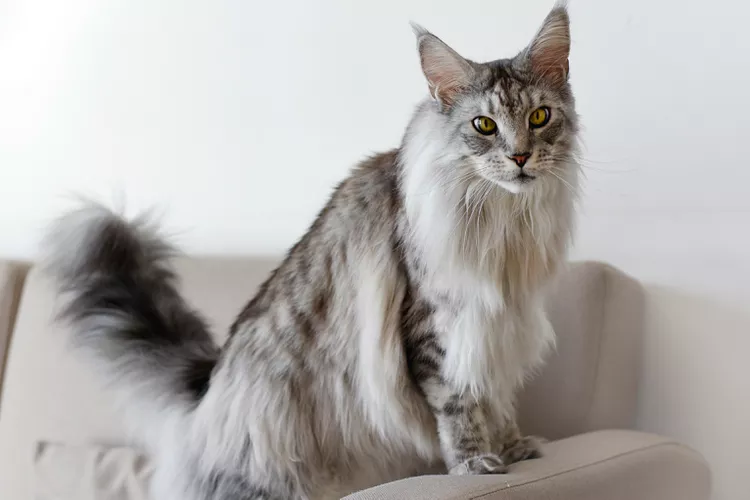
Top 10 Big House Cats
Larger cat breeds, like Maine coons and savannahs, deserve just as much love as their petite counterparts. These big house cats tip the scales.
Toyger: Cat Breed Profile, Characteristics & Care
The toyger (toy tiger) cat is a beautiful, rare breed with an easygoing demeanor. These cats are hard to come by but make excellent pets.
Elf Cat: Breed Profile, Characteristics & Care
Elf cats are a new, rare cross between a sphynx and American curl with curly ears and a playful personality.
American Wirehair: Breed Profile, Characteristics & Care
The rare American wirehair breed has a distinctive wiry coat and quiet, gentle demeanor. Learn about the American wirehair breed.
Turkish Angora: Cat Breed Profile, Characteristics & Care
The elegant and silky Turkish Angora cat is a playful, affectionate, and sometimes mischievous pet. Learn about the Turkish Angora breed.
Himalayan: Cat Breed Profile, Characteristics & Care
Himalayan cats—crosses of Persian and Siamese breeds—are sweet felines with silky hair. They're great pets if you're willing to care for their coat.
Ocicat: Breed Profile, Characteristics & Care
The ocicat has wild markings, but it is a completely domestic cat that loves to socialize and play. Learn about the ocicat breed.
10 Popular Cat Breeds for Many Types of Households
Discover 10 of the most popular cat breeds, including the Maine coon and ragdoll. Learn which types of cats are right for your lifestyle.
9 Calmest Cat Breeds for Laid-Back People
Calm cat breeds like the Persian and ragdoll are ideal for people who like a mellow pet. Meet nine of the calmest cat breeds.
Persian Cat: Breed Profile, Characteristics & Care
The Persian cat is sweet, laid-back, and regal, with a luxurious long coat. Learn more about this long-cherished cat breed.
Mixed-Breed Cat (Moggy): Breed Profile, Characteristics & Care
"Mixed-breed" is a catch-all term for cats without pedigrees. Called moggies in the UK, these cats make perfect pets. Learn about the mixed-breed cat.
7 Hybrid Cats Breeds
Hybrid cat breeds can make appealing pets since they look more exotic than domestic house cats, but they aren't for everyone.
Japanese Bobtail: Cat Breed Profile, Characteristics & Care
The Japanese bobtail is recognized for its bunny-like tail and is loved for its friendly, playful personality. Learn about the Japanese bobtail breed.
10 Cat Breeds That Are Rare to Find
Most house cats in the U.S. are not pedigreed or purebred, so even the most common breeds are rare. Take a look at the rarest of the purebreds.
Ragamuffin: Cat Breed Profile
Learn about the personality, history, and care for Ragamuffin cats.
How to Know When to Call the Vet for Your Cat
How to know when to call your veterinarian for your cat.
How to Tell if a Cat Is Pregnant
Could your cat be pregnant? Learn about the signs of pregnancy in cats. If you spot these telltale signs, it may be time to schedule a vet appointment. Here's how to tell if your cat is pregnant.
Are Tulips Toxic to Cats?
Tulips are one of many flowers that are toxic to cats. Learn the dangers, what to do in the case of ingestion, and how to keep your cat safe from tulip toxicity.
Constipation in Cats
Constipation in cats is a common, but uncomfortable, digestive disturbance. Find out what causes cat constipation and its treatment and prevention.
Feline Immunodeficiency Virus (FIV) in Cats
FIV is a common and potentially deadly feline disease. With good veterinary care, though, cats with FIV can survive many years after diagnosis.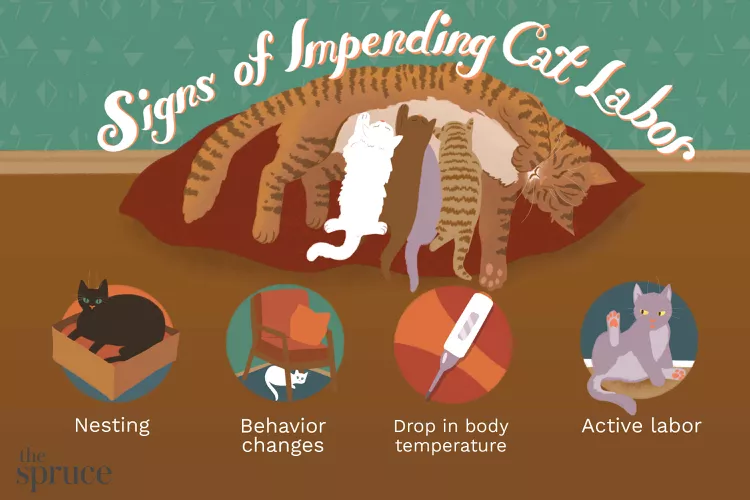
How to Help a Pregnant Cat Give Birth
Your pregnant cat may be able to give birth with no problems. However, if trouble arises, knowing in advance what to look for will help the process.
Can Indoor Cats Get Fleas?
It may be surprising to learn that indoor cats can and do get fleas too. Learn what to look for and how to treat these itchy pests.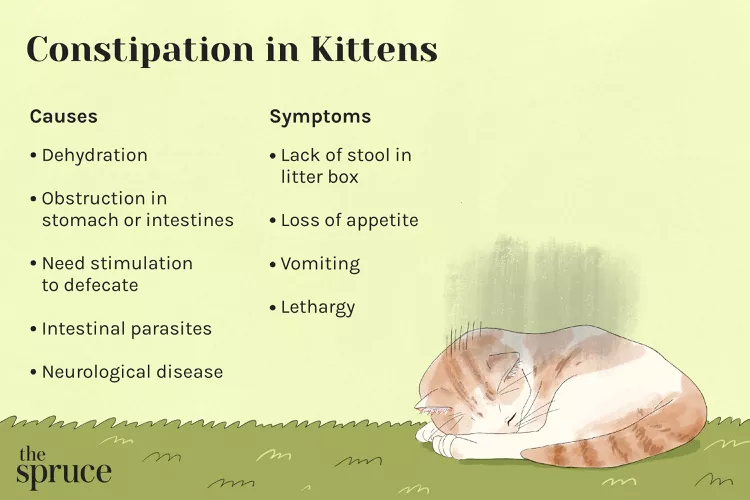
Kitten Constipation: What to Do When You Kitten Can't Poop
Kittens usually experience more diarrhea than constipation, but a kitten that has trouble passing stool, or is not defecating can be just as serious.
How to Take Your Cat's Temperature
Your cat's temperature should be between 100.4 and 102.5 degrees Fahrenheit. Learn how to take its temperature and determine if it has a fever.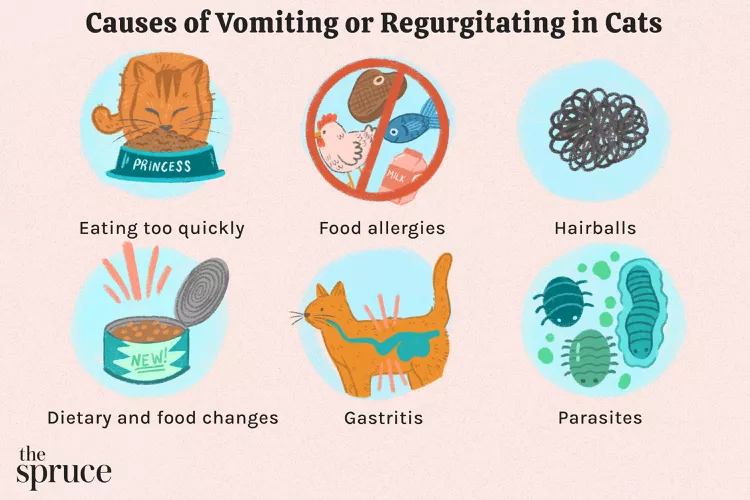
Why Is My Cat Throwing Up Its Food?
Cats throw up food for many reasons, and it may be a sign of a serious illness. Find out why your cat is vomiting undigested food and what to do about it, including when to call the vet.
Asthma in Cats
Cats with asthma may wheeze or cough, and they require medical intervention to manage the condition. Learn the causes, treatment, and prevention.
8 Ways to Help a Blind Cat Keep Safe in Your Home
Blind cats are much like any other cats, except you might want to do some things around the house to help them get around safely.
Are Mums Toxic to Cats?
Mums can be dangerous to cats if they eat them or if they come into contact with the skin. Here's what you need to know about chrysanthemum toxicity in cats, including when to contact the vet.
Glaucoma in Cats
Glaucoma is a disease that creates painful eye pressure in cats. Learn the causes, treatment, and prevention.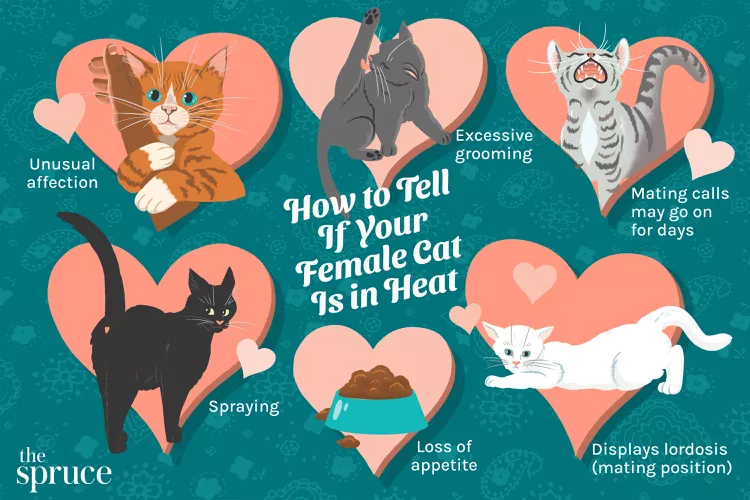
Signs of Heat in Cats
A cat in heat will show several physical and behavioral signs. Here's how to tell if your cat is in heat and how to care for her during this time. Learn the signs and how to prevent pregnancy, even if her cycle has begun.


:strip_icc():format(webp)/exotic-shorthair-cat-resting-on-floor-585840669-5ad0afd7c064710038e382e7.jpg)