
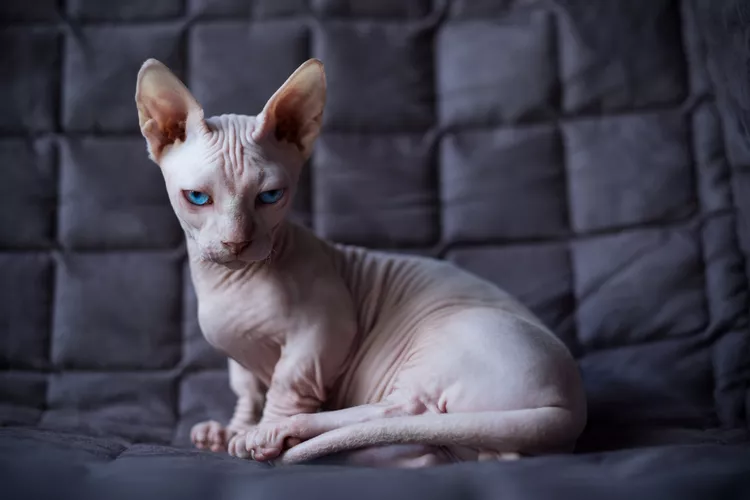
The bambino is a controversial new cat breed that crosses the hairless sphynx with the short-legged munchkin. It is essentially a perfect mix of the two breeds, bearing the general appearance of a sphynx atop its shockingly short legs.
The controversy surrounding this breed stems from the concern that deliberately bred short-limbed cats are vulnerable to health problems and pain due to their anatomical abnormality. In addition, the sphynx breed carries its own set of hereditary issues and is prone to skin damage from the sun. For these reasons, the breed is considered "experimental" and is discouraged by the Cat Fanciers' Association.
Personality: Affectionate, active and playful but not overly energetic
Weight: Up to 9 pounds
Length: Up to 17 inches
Coat Length: Hairless
Coat Colors: Black, white, cream, brown, fawn
Coat Patterns: Solid, pointed, shaded, bicolor
Eye Color: Blue
Lifespan: Up to 12 years
Hypoallergenic: Yes (somewhat)
Origin: United States
The bambino is affectionate and full of character, enjoying the company of its family and reluctant to be alone for very long. This small to medium-sized cat enjoys playing but doesn't need too much exercise. Because it is hairless, the bambino is more vulnerable to injuries than other cats and should be protected from other pets' bites or scratches as well as excessive sun exposure (even through windows), which might burn the bambino's delicate skin.
The bambino breed was launched in 2005 by Stephanie and Pat Osborne, owners of the Holy Moly Cattery in Arkansas, which is no longer in operation. The Osbornes bred sphynx cats, carrying the recessive hairless gene, with munchkin cats that carried the dominant short-legged gene. They called the new breed bambino (the Italian word for "baby").
The International Cat Association (TICA) recognized the bambino as an "experimental" breed in 2006. But, neither the Cat Fanciers' Association (CFA) nor the American Cat Fanciers' Association (ACFA) will allow the breed's registry because they don't want to encourage the propagation of genetic abnormalities for aesthetic reasons.
The intentional breeding of genetically disfigured cats like the short-legged bambino and munchkin is a controversial and divisive practice among cat professionals, veterinarians, and the public. Even so, the bambino appears to be gaining popularity as a "fad" breed.
Some people are attracted to the bambino for its hypoallergenic potential, but no cat is completely hypoallergenic, and the bambino still produces some dander that may irritate sensitive individuals. Surprisingly, the slight "down" of the bambino's coat also needs more care than most people think.
Because they lack a normal absorbent coat, bambinos' skin tends to be oily, making them more susceptible to skin problems like bacterial or fungal infections. Regular bathing and gentle wipes with a moist cloth will help keep their skin and downy coat clean.
Despite their short legs, bambinos are known for being energetic and surprisingly agile. They enjoy playing with toys and having other forms of kitty enrichment around their home. Their shorter legs can tire more easily than "normal" cats, so they don't need tons of exercise, but they still like to scratch and climb on low cat trees (jumping from high surfaces is not a good idea and shouldn't be encouraged).
Bambinos are likely to get sunburned outdoors. If you do take your bambino outside, use a vet-approved feline sunscreen (human sunscreen is toxic to pets) or avoid direct sunlight for more than a few minutes. Cold weather is also dangerous for this hairless cat, and their skin can get injured more easily on brambles or sticks. Overall, bambinos are best suited to an indoor lifestyle.
Because the bambino is such a new breed, the extent of its genetic health problems is not yet known. However, it is safe to assume it may be prone to issues that affect both the sphynx and munchkin breeds. These include:
All cats need to be fed a quality diet, and the bambino will be no exception. They are obligate carnivores, and their food needs to be a high-protein one specifically developed for cats. In addition, it's important to offer measured portions at scheduled meal times (twice per day) so that the bambino does not become overweight, which puts extra pressure on the spine and increases the likelihood of developing feline diabetes.
Bambino cats are still rare, so you may encounter waiting lists or need to travel to buy a kitten. Because of the rarity and increasing popularity of the breed, watch out for unscrupulous "backyard" breeders with less-than-ethical practices that seek to take advantage of the market. Kittens from these breeders are more likely to be inbred or carry undocumented health problems.
Some reputable sphynx breeders also specialize in bambinos, so they are a great resource when looking for a bambino kitten.
Bambinos are known for being very playful and affectionate. They love to be surrounded by company and may become depressed if left alone for more than a few hours. They enjoy homes with gentle children and pets, as they are sociable and friendly, but care must be taken to protect bambinos' delicate skin from injury when playing.
Their skin requires more care than the average cat because of its tendency toward oiliness. Otherwise, the bambino is a fairly low-maintenance cat that is well-suited to indoor life.
Playful and affectionate
Minimal dander (somewhat hypoallergenic)
Moderate energy level
Controversial breed due to genetic deformity
Skin is easily injured
Downy coat and skin need regular bathing
If you’re interested in similar breeds, check out:
Otherwise, check out all of our other cat breed profiles.
It is legal to own a bambino cat, but the Cat Fanciers' Association (CFA) discourages ownership and breeding because it is unethical to propagate genetic characteristics (short legs and hairlessness) that impair a cat's ability to function naturally.
These cats have relatively low activity levels and like to cuddle, so being held is just fine—as long as care is taken not to scratch their tender skin.
A bambino kitten from a reputable breeder can cost between $1,800 and $3,000 due to the breed's new status and rarity.
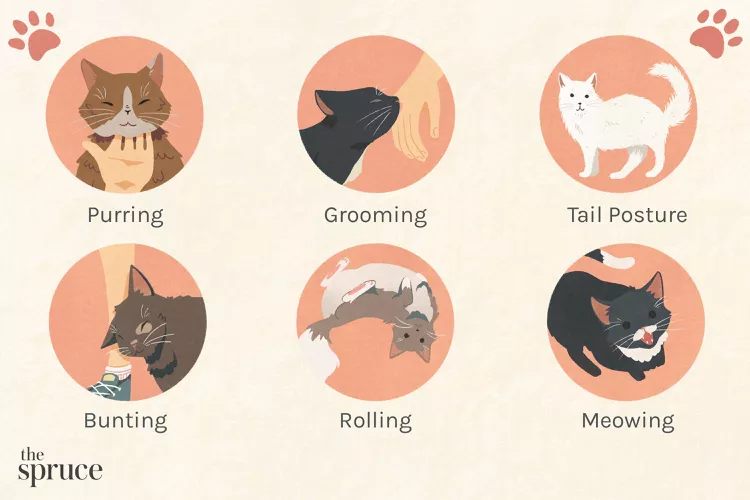
How Cats Show They Love You
Cats show their love in many ways and it usually involves body language and other behaviors. Find out if your cat is trying to tell you they love you.
Why Your Cat Is Meowing So Much—and Other Ways They Seek Your Attention
Attention-seeking behavior in cats and excessive vocalization often go hand-in-hand. Learn about the types and causes of these behaviors.
Why Do Cats Groom and Lick Themselves So Often?
Cats may spend as much as half their time grooming and licking themselves. What leads to this behavior, and how does it help your cat?
Why Does My Cat Scratch the Floor After Eating?
Many cats paw at the floor or bury their food. It's a natural behavior, but it's easy to modify.
How to Stop a Cat from Spraying
Urine spraying, or marking, is different than urinating outside of the litter box. Learn about why cats will urine spray and what to do about it.
Do Cats Cry When They Are Sad or in Pain?
Cats don't cry the way people do. Your cat can produce tears, but not ones of sadness. Explore the truth behind a cat's emotions and what those tears mean.
How to Train Your Cat to Not Be Mean
Learn about mean cats and angry cat behavior. Understand why cats sometimes hate hugs and learn steps to make cats happy (or happier).
How to Crate Train Your Cat
Crate training is not just for dogs. Follow these steps to train your cat to the crate so you can have less stressful car rides and vet visits.
Why Cats Stare at You While You Sleep and How to Stop It
Cats are known to stare at humans while they sleep. Find out why and how to stop it.
How to Stop Your Cat From Tracking Litter and Poop
While they're generally clean animals, sometimes cats get poop on their paws, and track litter outside the box. Learn how to stop this behavior.
Is My Cat Happy?
Cats tell us that they are happy by vocalizing their pleasure, showing their moods by their body language, and plainly acting happy.
How to Stop Your Cat From Pooping in the Sink or Bathtub
It's frustrating and unpleasant when your cat defecates in the sink or tub, but you can stop the unwanted behavior with some of these techniques.
22 Weird Cat Behaviors You're Not Sure About
Explore 22 weird cat behaviors and why they do them. Many are methods of cat communication, from winking to bunting, rolling, sneering, and kneading.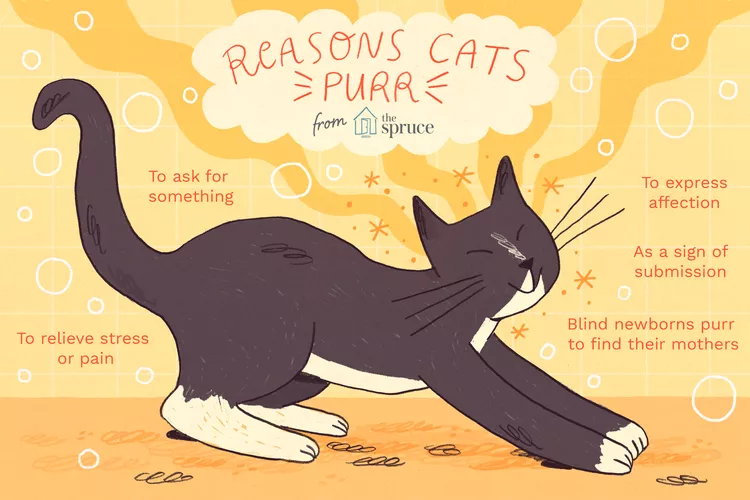
Understanding the Purring of Cats
Get a better understanding of variations on cat purring. Cats purr to communicate and even have special purrs.
What Is Scruffing in Cats?
Learn more about the origins of cat scruffing and why you should not be scruffing your cat.
Understanding How Cats Speak Through Ear Movements
Cat owners can learn "cat talk" and get a deeper understanding of how cats use their cat ears to communicate different emotions.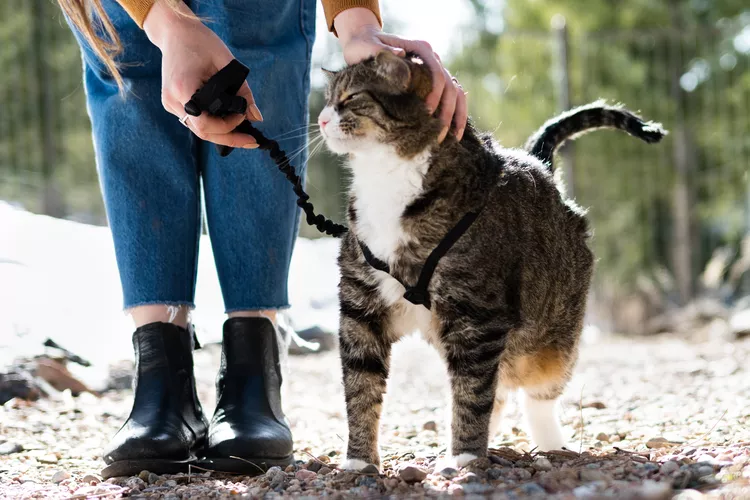
Safe Solutions for Indoor Cats That Want to Go Outside
Cat lovers who want their cats to enjoy fresh air and sunshine often feel guilt by confining their cats to the indoors. Here are safe compromises.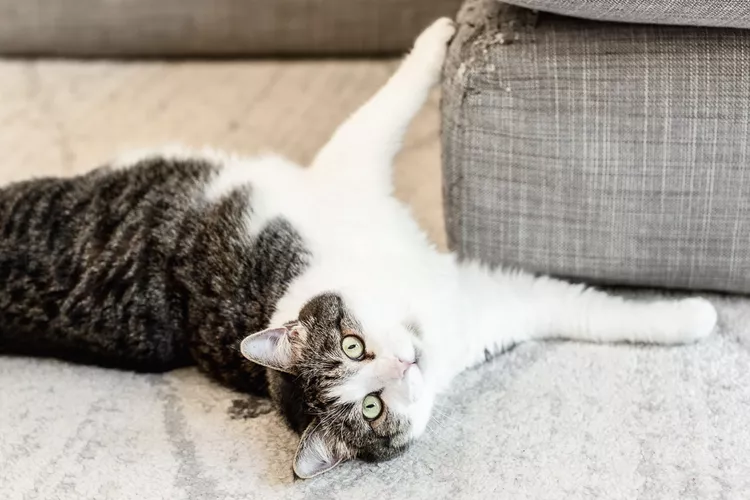
How to Discipline Your Cat the Right Way
Cats are mischievous but sometimes they also misbehave. Learn how to safely and effectively discipline a cat and positively change their behavior.
How to Stop Cats From Biting and Scratching
Cats learn to bite and scratch as kittens and may need to be retrained when they grow older. These behaviors can be changed with time and patience.
Reasons Why a Cat Doesn't Meow
When a cat doesn't meow, it is often just natural behavior, but when its silence is accompanied by other symptoms, have a vet examine your pet.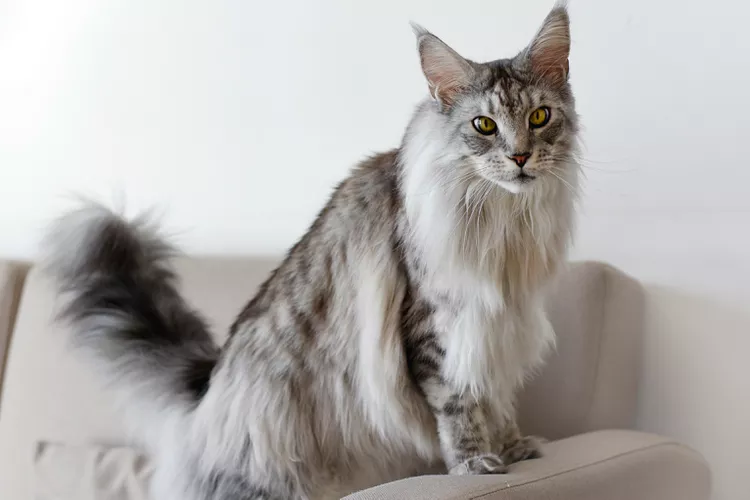
Top 10 Big House Cats
Larger cat breeds, like Maine coons and savannahs, deserve just as much love as their petite counterparts. These big house cats tip the scales.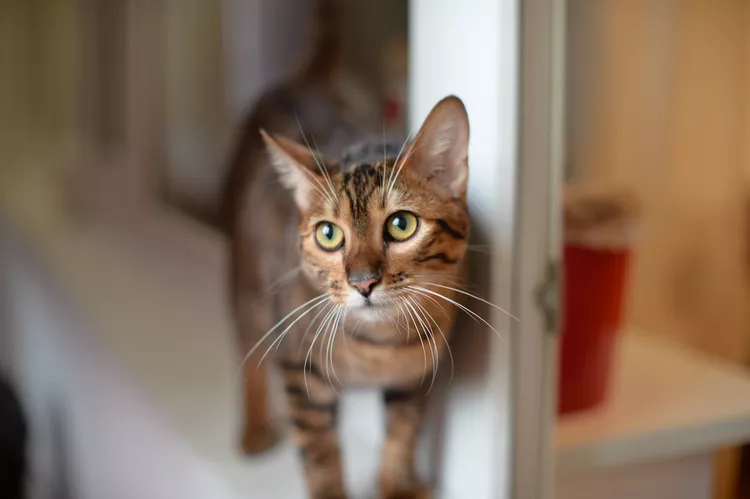
Toyger: Cat Breed Profile, Characteristics & Care
The toyger (toy tiger) cat is a beautiful, rare breed with an easygoing demeanor. These cats are hard to come by but make excellent pets.
Elf Cat: Breed Profile, Characteristics & Care
Elf cats are a new, rare cross between a sphynx and American curl with curly ears and a playful personality.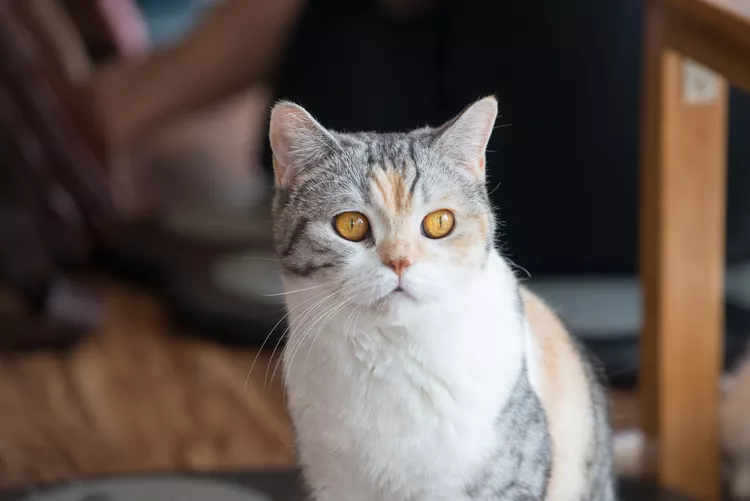
American Wirehair: Breed Profile, Characteristics & Care
The rare American wirehair breed has a distinctive wiry coat and quiet, gentle demeanor. Learn about the American wirehair breed.
Turkish Angora: Cat Breed Profile, Characteristics & Care
The elegant and silky Turkish Angora cat is a playful, affectionate, and sometimes mischievous pet. Learn about the Turkish Angora breed.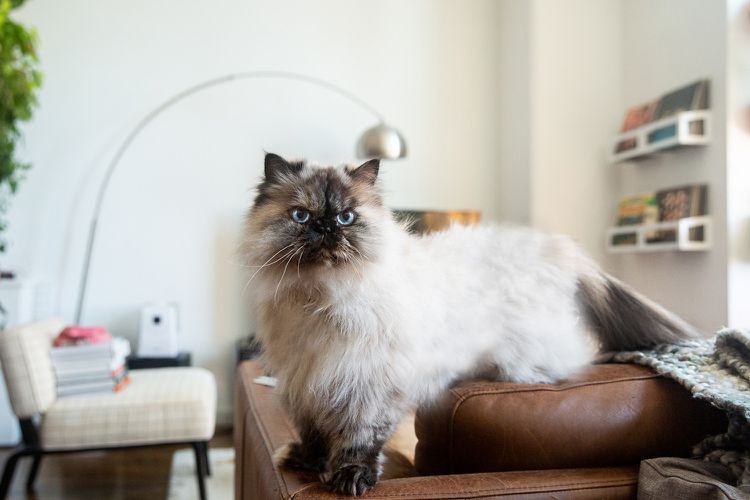
Himalayan: Cat Breed Profile, Characteristics & Care
Himalayan cats—crosses of Persian and Siamese breeds—are sweet felines with silky hair. They're great pets if you're willing to care for their coat.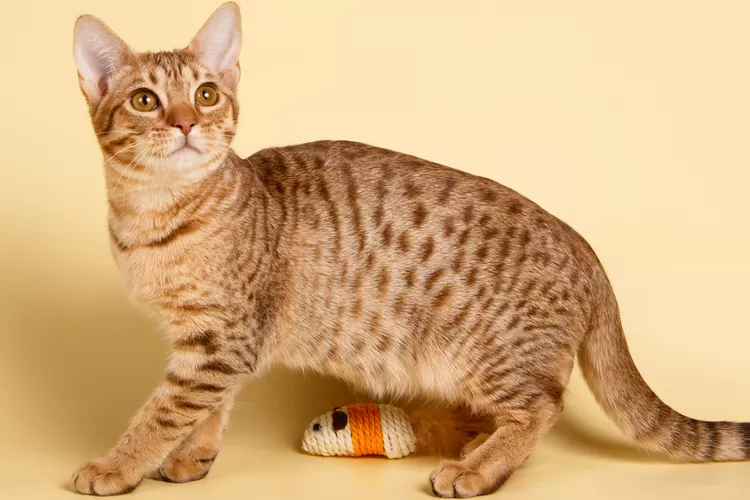
Ocicat: Breed Profile, Characteristics & Care
The ocicat has wild markings, but it is a completely domestic cat that loves to socialize and play. Learn about the ocicat breed.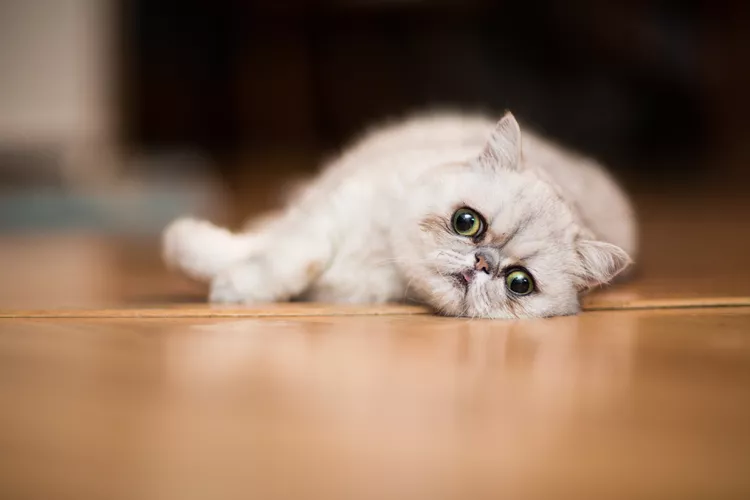
10 Popular Cat Breeds for Many Types of Households
Discover 10 of the most popular cat breeds, including the Maine coon and ragdoll. Learn which types of cats are right for your lifestyle.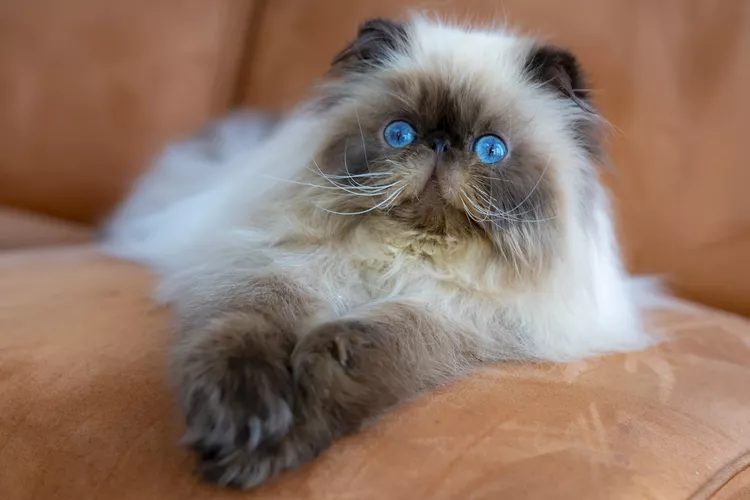
9 Calmest Cat Breeds for Laid-Back People
Calm cat breeds like the Persian and ragdoll are ideal for people who like a mellow pet. Meet nine of the calmest cat breeds.
Persian Cat: Breed Profile, Characteristics & Care
The Persian cat is sweet, laid-back, and regal, with a luxurious long coat. Learn more about this long-cherished cat breed.
Mixed-Breed Cat (Moggy): Breed Profile, Characteristics & Care
"Mixed-breed" is a catch-all term for cats without pedigrees. Called moggies in the UK, these cats make perfect pets. Learn about the mixed-breed cat.
7 Hybrid Cats Breeds
Hybrid cat breeds can make appealing pets since they look more exotic than domestic house cats, but they aren't for everyone.
Japanese Bobtail: Cat Breed Profile, Characteristics & Care
The Japanese bobtail is recognized for its bunny-like tail and is loved for its friendly, playful personality. Learn about the Japanese bobtail breed.
10 Cat Breeds That Are Rare to Find
Most house cats in the U.S. are not pedigreed or purebred, so even the most common breeds are rare. Take a look at the rarest of the purebreds.
Ragamuffin: Cat Breed Profile
Learn about the personality, history, and care for Ragamuffin cats.
How to Know When to Call the Vet for Your Cat
How to know when to call your veterinarian for your cat.
How to Tell if a Cat Is Pregnant
Could your cat be pregnant? Learn about the signs of pregnancy in cats. If you spot these telltale signs, it may be time to schedule a vet appointment. Here's how to tell if your cat is pregnant.
Are Tulips Toxic to Cats?
Tulips are one of many flowers that are toxic to cats. Learn the dangers, what to do in the case of ingestion, and how to keep your cat safe from tulip toxicity.
Constipation in Cats
Constipation in cats is a common, but uncomfortable, digestive disturbance. Find out what causes cat constipation and its treatment and prevention.
Feline Immunodeficiency Virus (FIV) in Cats
FIV is a common and potentially deadly feline disease. With good veterinary care, though, cats with FIV can survive many years after diagnosis.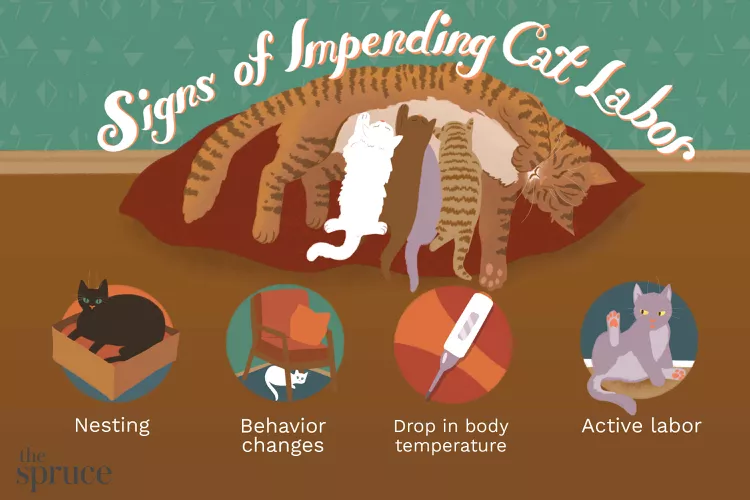
How to Help a Pregnant Cat Give Birth
Your pregnant cat may be able to give birth with no problems. However, if trouble arises, knowing in advance what to look for will help the process.
Can Indoor Cats Get Fleas?
It may be surprising to learn that indoor cats can and do get fleas too. Learn what to look for and how to treat these itchy pests.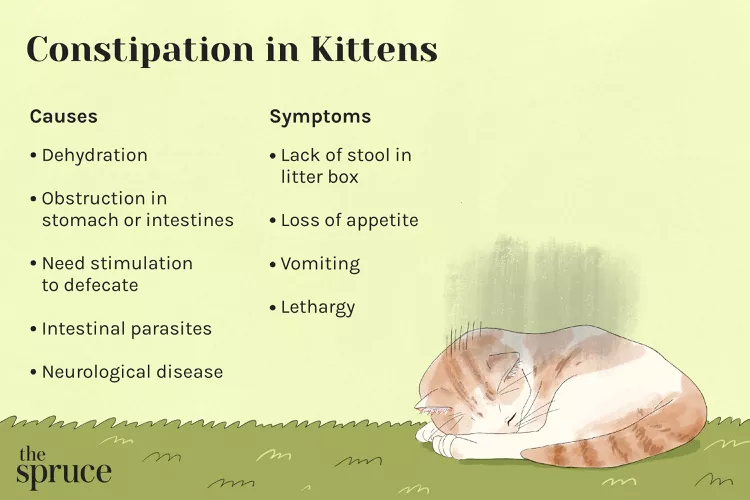
Kitten Constipation: What to Do When You Kitten Can't Poop
Kittens usually experience more diarrhea than constipation, but a kitten that has trouble passing stool, or is not defecating can be just as serious.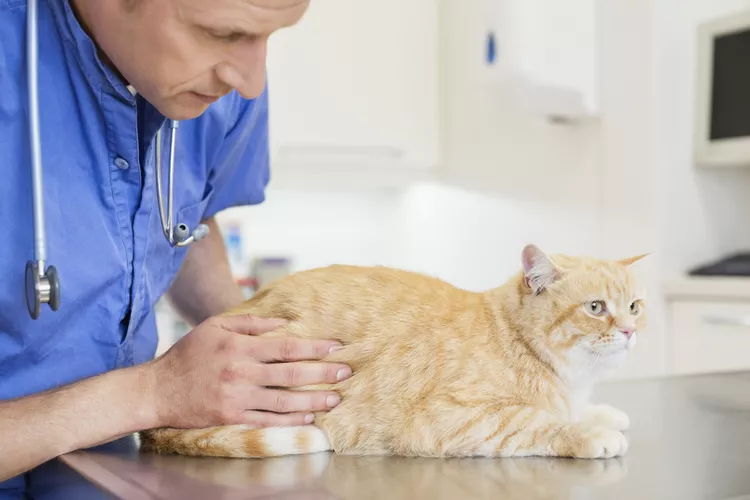
How to Take Your Cat's Temperature
Your cat's temperature should be between 100.4 and 102.5 degrees Fahrenheit. Learn how to take its temperature and determine if it has a fever.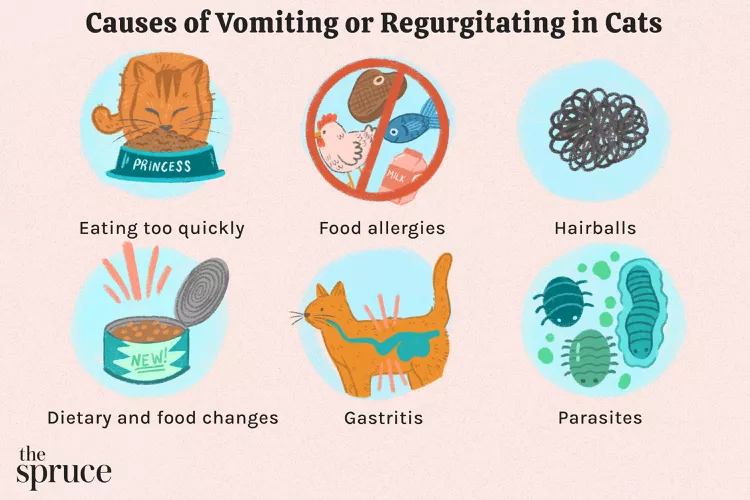
Why Is My Cat Throwing Up Its Food?
Cats throw up food for many reasons, and it may be a sign of a serious illness. Find out why your cat is vomiting undigested food and what to do about it, including when to call the vet.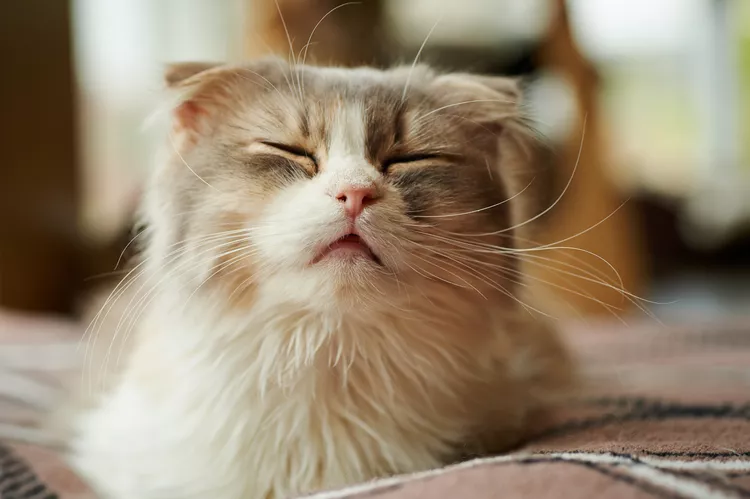
Asthma in Cats
Cats with asthma may wheeze or cough, and they require medical intervention to manage the condition. Learn the causes, treatment, and prevention.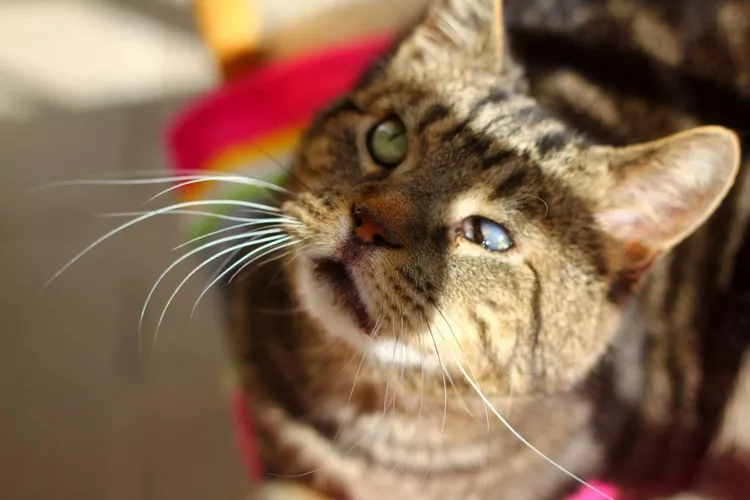
8 Ways to Help a Blind Cat Keep Safe in Your Home
Blind cats are much like any other cats, except you might want to do some things around the house to help them get around safely.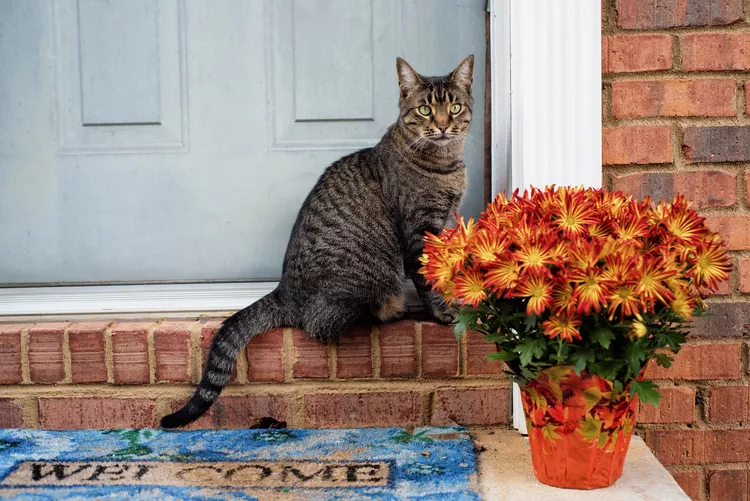
Are Mums Toxic to Cats?
Mums can be dangerous to cats if they eat them or if they come into contact with the skin. Here's what you need to know about chrysanthemum toxicity in cats, including when to contact the vet.
Glaucoma in Cats
Glaucoma is a disease that creates painful eye pressure in cats. Learn the causes, treatment, and prevention.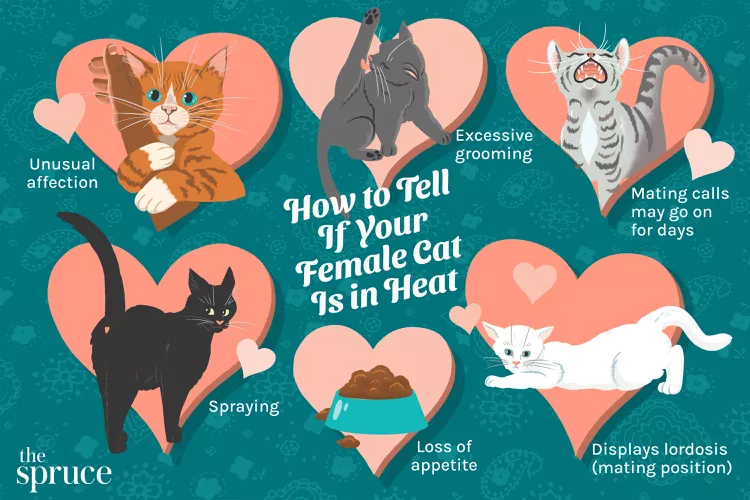
Signs of Heat in Cats
A cat in heat will show several physical and behavioral signs. Here's how to tell if your cat is in heat and how to care for her during this time. Learn the signs and how to prevent pregnancy, even if her cycle has begun.


:strip_icc():format(webp)/GettyImages-991035432-637f561c6d7c418f8ebc2e17d94ebb89.jpg)