

The American shorthair is a medium-sized cat with a gentle nature, making them a great companion for families with children and/or other pets. While they’re not quite known for their athleticism, American shorthairs are surprisingly well-muscled and powerful—a trait established from all those years of hunting rodents on shipping boats. These sweet kitties tend to be happy and playful pets but also have an independent streak, which means they’re not quite as needy as some other breeds.
Learn more about the American shorthair, including the breed’s characteristics, history, and care needs.
Personality: Gentle, affectionate, playful, easygoing, and curious
Weight: 11 to 15 pounds (males); 6 to 12 pounds (females)
Length: 12 to 15 inches
Coat Length: Short hair
Coat Color: Many colors, including white, silver, black, cream, blue, brown, and red
Coat Patterns: Tabby is the most common, although calico, tortoiseshell, bi-color, and solid are also acceptable
Eye Color: Hazel, gold, blue, copper, or green
Lifespan: 15 to 20 years
Hypoallergenic: No
Origin: United States
Often silver with black tabby markings, American shorthairs are strikingly attractive cats. Their round face gives them a sweet look that correctly conveys their temperament. However, don't think that these are dull cats that laze around all day long; as descendants of hard-working mousers, American shorthairs are still playful and curious felines that like to explore or bat around a crinkle ball or catnip mouse.
These cats are known for their easygoing, amiable personalities. They get along very well in homes with children, other cats, or cat-friendly dogs, but they don't demand constant attention. Your American shorthair can entertain themselves with toys, spend time gazing out the window, clamber up and down a cat tree, or enjoy a good catnap when not spending time cuddling or interacting with you.
European settlers to North America brought a lot with them, including the ancestors of what we now refer to as the American shorthair. This breed’s European forebears snagged a trip to the New World thanks to their affinity for hunting and catching rodents—a quality that was as prized on rat- and mice-laden shipping vessels as it was in the homes and barns of the country’s newest residents. It is believed that the ancestors of the American shorthair came over on the Mayflower, and that they may have made the trip even earlier than that.
Once in America, these cats began to multiply, over time developing the traits that distinguish them as a unique breed. Due to their prized personality, American shorthairs were (and continue to be) selectively bred in an effort to maintain and propagate their many likable qualities. Many of their physical traits can be traced to their early days in the country, including a dense coat that was ideal for withstanding cold winters while working and hunting outdoors, a moderately large size, and a muscular body.
The name American shorthair was given to the breed in 1966 to distinguish them from the domestic shorthair, which is randomly bred and does not carry such specific traits. The American shorthair has also ranked among the top 10 most popular pedigreed cat breeds, according to the Cat Fanciers’ Association.
The American shorthair cat is easy to care for. They do require your time and attention, as they want to know that they’re loved and a part of the family, but when it comes to exercise and grooming requirements, the breed isn’t high-maintenance.
The American shorthair loves to play and will happily do so, provided they’re in the mood. This breed enjoys socializing with their humans, though they have enough of an independent streak to entertain themselves as well, meaning you don’t usually have to worry about separation anxiety.
Leaving interactive toys around the home will help ensure an American shorthair gets enough exercise, as will setting aside one-on-one playtime. Since this breed does well with other cats, getting a kitty companion is another way to keep your American shorthair active.
You can expect your American shorthair to shed throughout the year, with peaks during the spring and fall.
These cats may have short hair, but they do require regular brushing due to the thick nature of their coat. Weekly brushing is ideal for optimal coat health.
Other standard grooming practices should be followed as well, including regular dental care, ear cleanings, and nail trims.
American shorthairs are robust, long-lived felines not genetically prone to any particular health issues. Like any cat, however, they can develop chronic or acute diseases, particularly if allowed to roam freely outdoors, where they are likelier to pick up parasites or come in contact with viruses and bacteria. Free-roaming cats are also likelier to be injured in accidents or ingest toxic substances.
Some of the health problems that can affect American shorthairs include:
A full-grown American shorthair is a fairly large cat, but generally does not reach mature size until the age of 3 or 4 years. The body of an American shorthair cat is muscular, with a powerful and sturdy appearance. The head is round, with widespread ears and large eyes. Male American shorthairs tend to be larger than females—males weigh up to 15 pounds, while females weigh up to 12 pounds.
These beautiful cats have thick, short fur that can be a wide range of colors and patterns, but the overwhelming majority—75%, according to the Cat Fanciers' Association—are tabbies, with silver tabbies being especially popular. They can have a variety of eye colors as well, although green and gold are quite common.
These cats are moderate shedders, and they are not a hypoallergenic breed.
American shorthairs are powerful cats who require strict nutritional oversight to ensure they do not get overweight—a trait to which this this breed is prone. While they are disposed to long life spans and can live for up to 20 years in good health, this is dependent on a high-quality diet that provides enough fuel for their muscular stature without leading to excessive weight gain.
As a general rule, your cat should eat a diet that is high in protein, moderate in fat, and low in carbohydrates. The food should be species-appropriate, as cats are obligate carnivores. Whether the diet is all kibble, all wet food, or a mix of each is up to you, but remember that most cats, like most people, enjoy some variety in their meals, and cats get a lot of their moisture from food, which kibble lacks.
If you’re concerned about how to properly feed your American shorthair, or if your American shorthair is overweight, talk to your veterinarian about proper feeding guidelines.
As a popular and fairly common breed of cat, you should have no problem adopting or buying an American shorthair. These lovable felines make a great addition to any home, especially those with children or other pets.
We always recommend starting your search with pet rescues. There are a few good places to start:
You can also search for the breed on rescue sites like Petfinder or Adopt-A-Pet. Be aware, however, that the majority of pets in rescues and shelters are mixes, not purebred animals.
If you are interested in purchasing a purebred American shorthair, you can find a list of vetted breeders through The International Cat Association or by searching online for a registered breeder. You can also find American shorthair breeders by visiting cat shows, where these popular cats are usually on display.
Sweet, easygoing, curious, playful, and affectionate: these cats make wonderful family pets, but because they are able to keep themselves entertained, they also do well in homes with a single adult. American shorthairs are beautiful cats with thick fur in a wide range of colors, but most often, they dazzle in boldly striped coats. They are not hypoallergenic, however, and do shed moderately.
With their muscular bodies, befitting to a breed developed to hunt rodents throughout cold winters, these are not delicate felines, but they are still happy spending time curled on their favorite human's lap or enjoying a game of catch the feather on a string.
There are plenty of wonderful cat breeds out there. Adopt an American shorthair today, or simply go to the shelter and see who pulls at your heartstrings.
If you’re interested in other American breeds, check out:
Otherwise, check out all of our other cat breed profiles.
This is a very affectionate and easygoing breed of cat, so you can expect your American shorthair to enjoy cuddling, stroking, and being held. But, as with any cat, your pet prefers affection on their own terms, so if your cat begins to wiggle, sets their ears back, or shows other signs of annoyance, it's time to set them down.
While the names are similar, they are not interchangeable. American shorthairs are a recognized breed of cat with breed standards set by various cat registries. By contrast, domestic shorthair is a generic term used to indicate a mixed breed cat of indeterminate parentage. Basically, domestic shorthair cats are the feline equivalent of a mutt; however, that doesn't mean they can't be wonderful pets.
The cost of a purebred American shorthair depends greatly on the cat's parentage, appearance, and breeder, but as a general rule, these cats cost several hundred dollars, with particularly desirable, show-ring quality cats selling for $1,000 or more. Some breeders sell "pet quality" purebreds for considerably less, though.
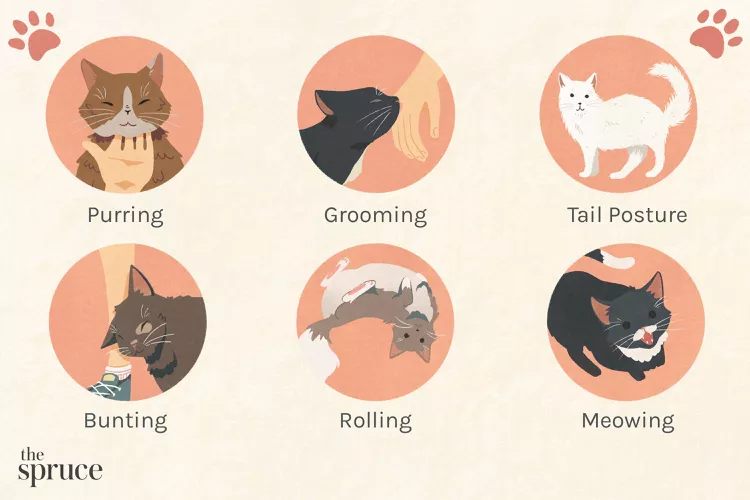
How Cats Show They Love You
Cats show their love in many ways and it usually involves body language and other behaviors. Find out if your cat is trying to tell you they love you.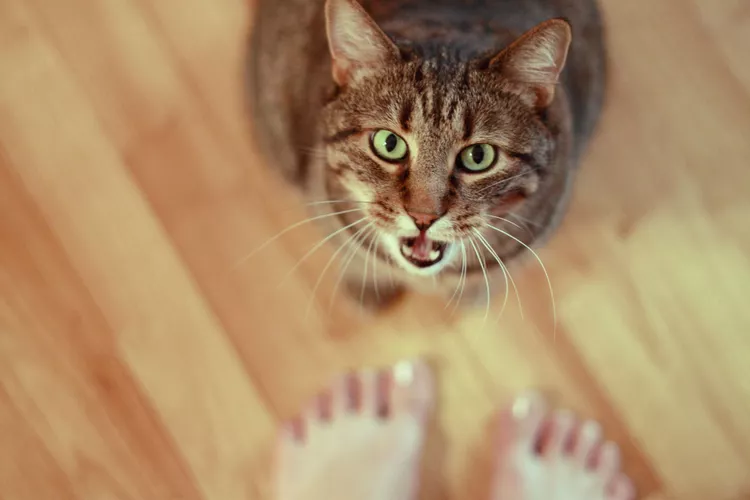
Why Your Cat Is Meowing So Much—and Other Ways They Seek Your Attention
Attention-seeking behavior in cats and excessive vocalization often go hand-in-hand. Learn about the types and causes of these behaviors.
Why Do Cats Groom and Lick Themselves So Often?
Cats may spend as much as half their time grooming and licking themselves. What leads to this behavior, and how does it help your cat?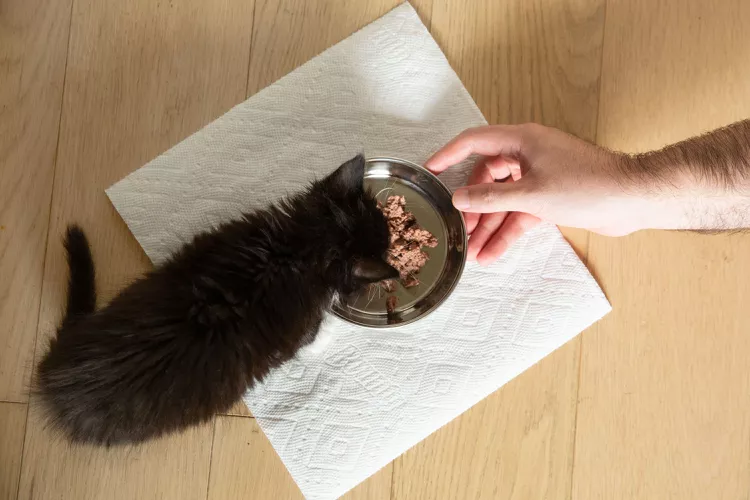
Why Does My Cat Scratch the Floor After Eating?
Many cats paw at the floor or bury their food. It's a natural behavior, but it's easy to modify.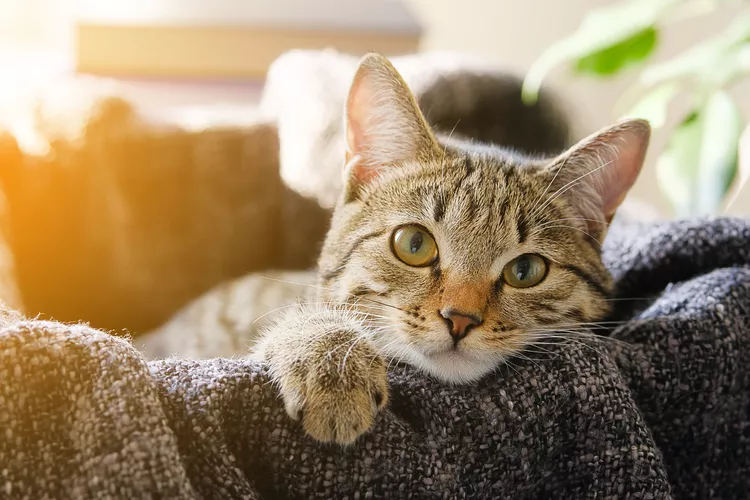
How to Stop a Cat from Spraying
Urine spraying, or marking, is different than urinating outside of the litter box. Learn about why cats will urine spray and what to do about it.
Do Cats Cry When They Are Sad or in Pain?
Cats don't cry the way people do. Your cat can produce tears, but not ones of sadness. Explore the truth behind a cat's emotions and what those tears mean.
How to Train Your Cat to Not Be Mean
Learn about mean cats and angry cat behavior. Understand why cats sometimes hate hugs and learn steps to make cats happy (or happier).
How to Crate Train Your Cat
Crate training is not just for dogs. Follow these steps to train your cat to the crate so you can have less stressful car rides and vet visits.
Why Cats Stare at You While You Sleep and How to Stop It
Cats are known to stare at humans while they sleep. Find out why and how to stop it.
How to Stop Your Cat From Tracking Litter and Poop
While they're generally clean animals, sometimes cats get poop on their paws, and track litter outside the box. Learn how to stop this behavior.
Is My Cat Happy?
Cats tell us that they are happy by vocalizing their pleasure, showing their moods by their body language, and plainly acting happy.
How to Stop Your Cat From Pooping in the Sink or Bathtub
It's frustrating and unpleasant when your cat defecates in the sink or tub, but you can stop the unwanted behavior with some of these techniques.
22 Weird Cat Behaviors You're Not Sure About
Explore 22 weird cat behaviors and why they do them. Many are methods of cat communication, from winking to bunting, rolling, sneering, and kneading.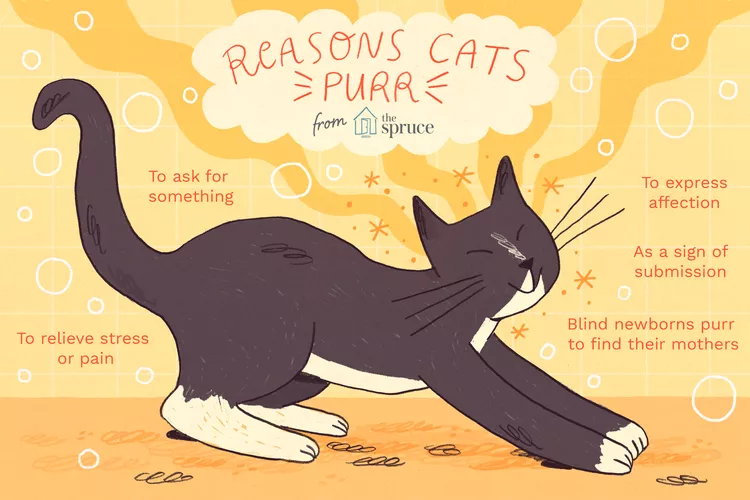
Understanding the Purring of Cats
Get a better understanding of variations on cat purring. Cats purr to communicate and even have special purrs.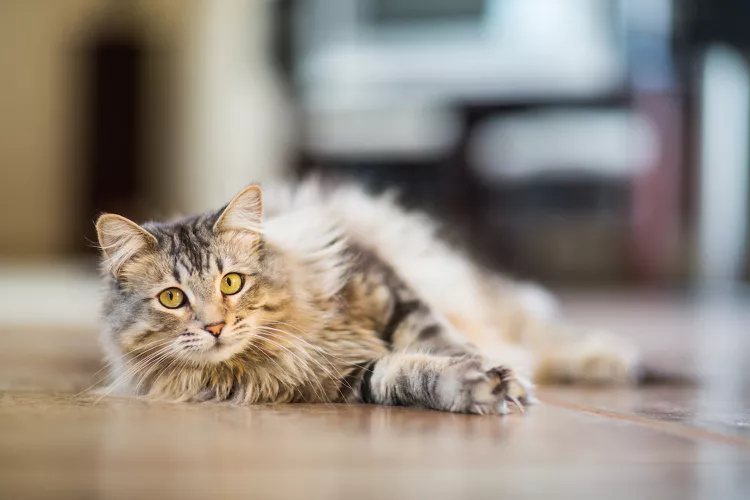
What Is Scruffing in Cats?
Learn more about the origins of cat scruffing and why you should not be scruffing your cat.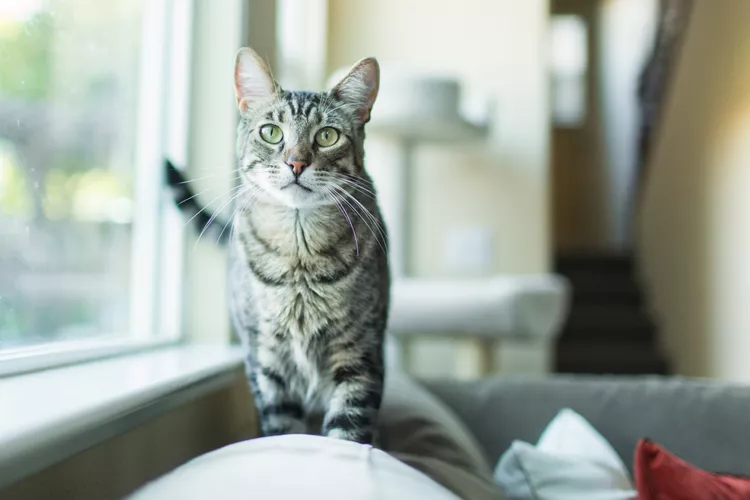
Understanding How Cats Speak Through Ear Movements
Cat owners can learn "cat talk" and get a deeper understanding of how cats use their cat ears to communicate different emotions.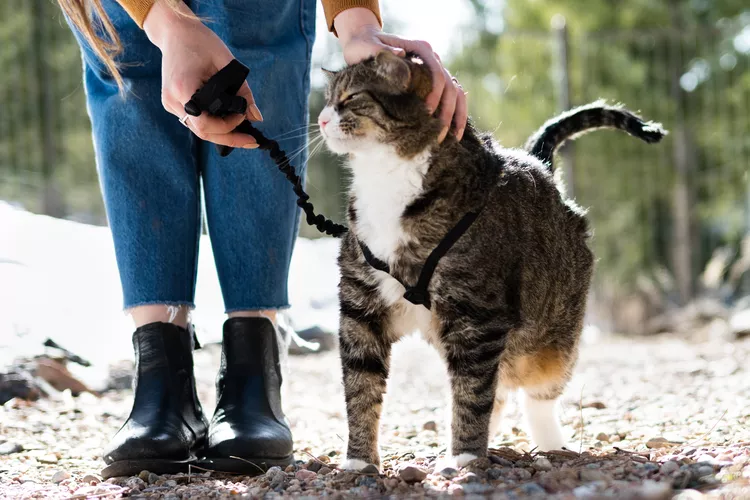
Safe Solutions for Indoor Cats That Want to Go Outside
Cat lovers who want their cats to enjoy fresh air and sunshine often feel guilt by confining their cats to the indoors. Here are safe compromises.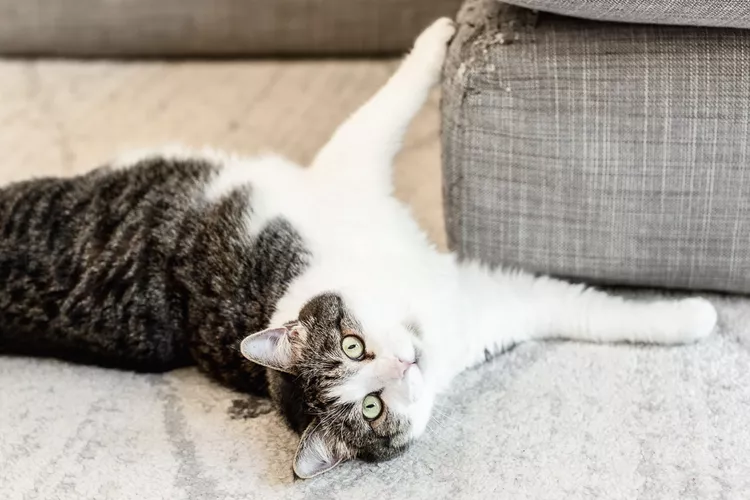
How to Discipline Your Cat the Right Way
Cats are mischievous but sometimes they also misbehave. Learn how to safely and effectively discipline a cat and positively change their behavior.
How to Stop Cats From Biting and Scratching
Cats learn to bite and scratch as kittens and may need to be retrained when they grow older. These behaviors can be changed with time and patience.
Reasons Why a Cat Doesn't Meow
When a cat doesn't meow, it is often just natural behavior, but when its silence is accompanied by other symptoms, have a vet examine your pet.
Top 10 Big House Cats
Larger cat breeds, like Maine coons and savannahs, deserve just as much love as their petite counterparts. These big house cats tip the scales.
Toyger: Cat Breed Profile, Characteristics & Care
The toyger (toy tiger) cat is a beautiful, rare breed with an easygoing demeanor. These cats are hard to come by but make excellent pets.
Elf Cat: Breed Profile, Characteristics & Care
Elf cats are a new, rare cross between a sphynx and American curl with curly ears and a playful personality.
American Wirehair: Breed Profile, Characteristics & Care
The rare American wirehair breed has a distinctive wiry coat and quiet, gentle demeanor. Learn about the American wirehair breed.
Turkish Angora: Cat Breed Profile, Characteristics & Care
The elegant and silky Turkish Angora cat is a playful, affectionate, and sometimes mischievous pet. Learn about the Turkish Angora breed.
Himalayan: Cat Breed Profile, Characteristics & Care
Himalayan cats—crosses of Persian and Siamese breeds—are sweet felines with silky hair. They're great pets if you're willing to care for their coat.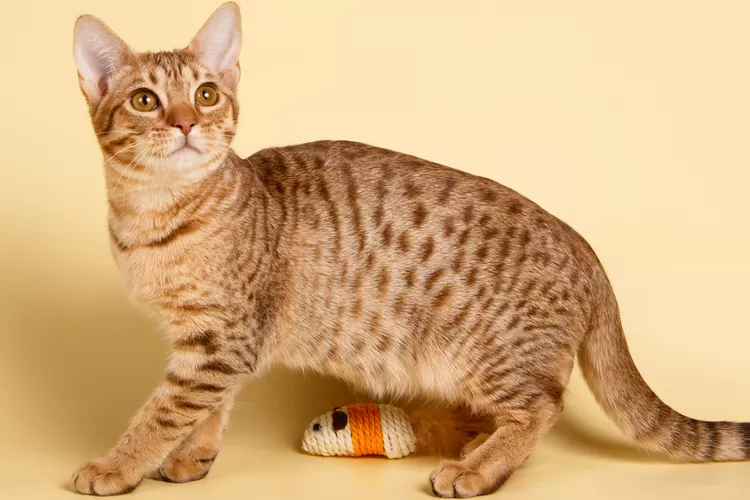
Ocicat: Breed Profile, Characteristics & Care
The ocicat has wild markings, but it is a completely domestic cat that loves to socialize and play. Learn about the ocicat breed.
10 Popular Cat Breeds for Many Types of Households
Discover 10 of the most popular cat breeds, including the Maine coon and ragdoll. Learn which types of cats are right for your lifestyle.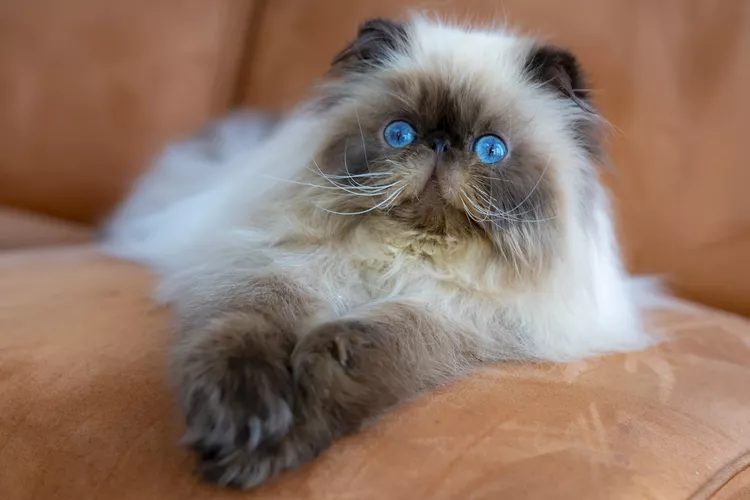
9 Calmest Cat Breeds for Laid-Back People
Calm cat breeds like the Persian and ragdoll are ideal for people who like a mellow pet. Meet nine of the calmest cat breeds.
Persian Cat: Breed Profile, Characteristics & Care
The Persian cat is sweet, laid-back, and regal, with a luxurious long coat. Learn more about this long-cherished cat breed.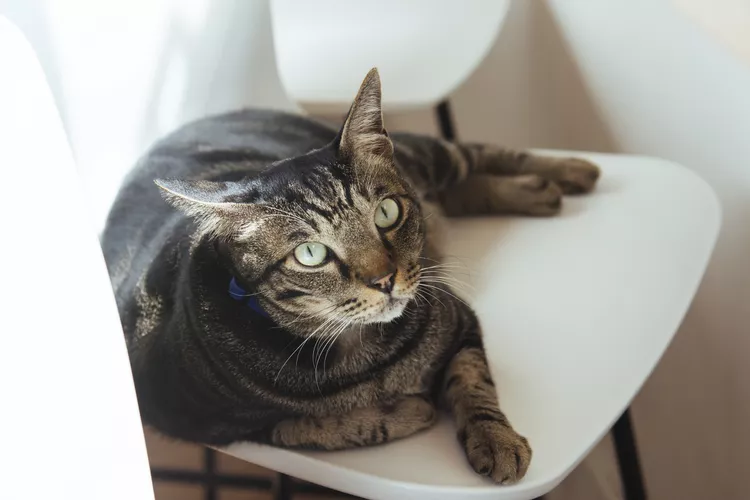
Mixed-Breed Cat (Moggy): Breed Profile, Characteristics & Care
"Mixed-breed" is a catch-all term for cats without pedigrees. Called moggies in the UK, these cats make perfect pets. Learn about the mixed-breed cat.
7 Hybrid Cats Breeds
Hybrid cat breeds can make appealing pets since they look more exotic than domestic house cats, but they aren't for everyone.
Japanese Bobtail: Cat Breed Profile, Characteristics & Care
The Japanese bobtail is recognized for its bunny-like tail and is loved for its friendly, playful personality. Learn about the Japanese bobtail breed.
10 Cat Breeds That Are Rare to Find
Most house cats in the U.S. are not pedigreed or purebred, so even the most common breeds are rare. Take a look at the rarest of the purebreds.
Ragamuffin: Cat Breed Profile
Learn about the personality, history, and care for Ragamuffin cats.
How to Know When to Call the Vet for Your Cat
How to know when to call your veterinarian for your cat.
How to Tell if a Cat Is Pregnant
Could your cat be pregnant? Learn about the signs of pregnancy in cats. If you spot these telltale signs, it may be time to schedule a vet appointment. Here's how to tell if your cat is pregnant.
Are Tulips Toxic to Cats?
Tulips are one of many flowers that are toxic to cats. Learn the dangers, what to do in the case of ingestion, and how to keep your cat safe from tulip toxicity.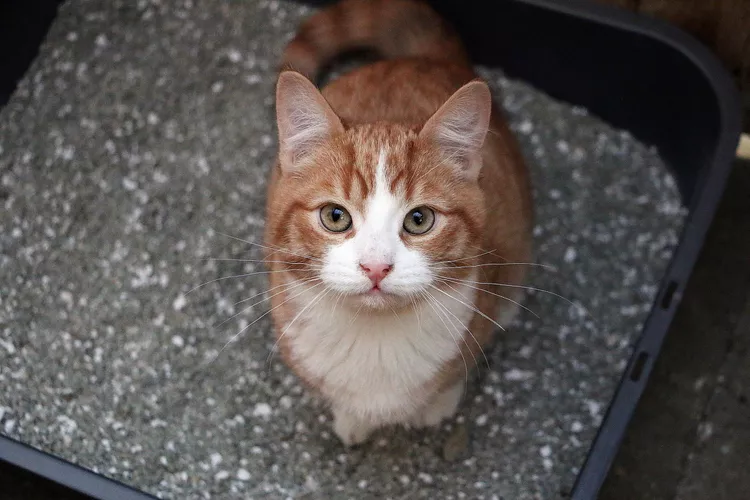
Constipation in Cats
Constipation in cats is a common, but uncomfortable, digestive disturbance. Find out what causes cat constipation and its treatment and prevention.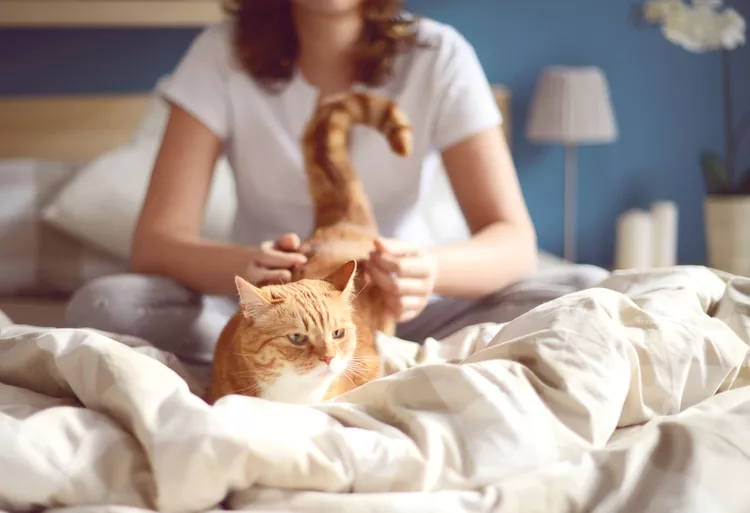
Feline Immunodeficiency Virus (FIV) in Cats
FIV is a common and potentially deadly feline disease. With good veterinary care, though, cats with FIV can survive many years after diagnosis.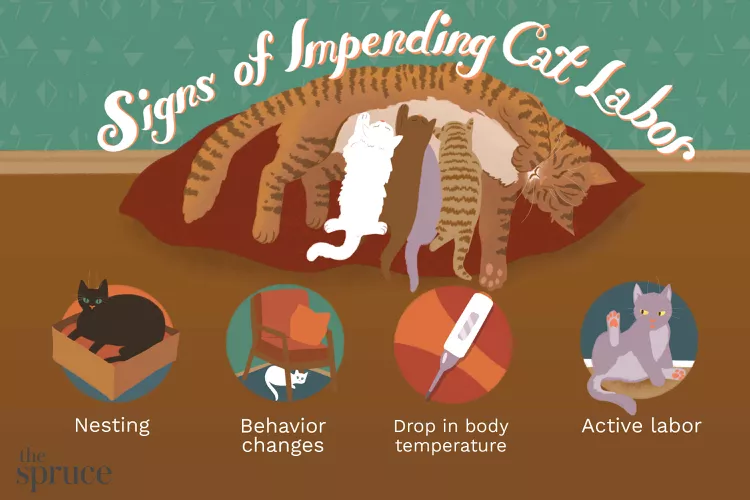
How to Help a Pregnant Cat Give Birth
Your pregnant cat may be able to give birth with no problems. However, if trouble arises, knowing in advance what to look for will help the process.
Can Indoor Cats Get Fleas?
It may be surprising to learn that indoor cats can and do get fleas too. Learn what to look for and how to treat these itchy pests.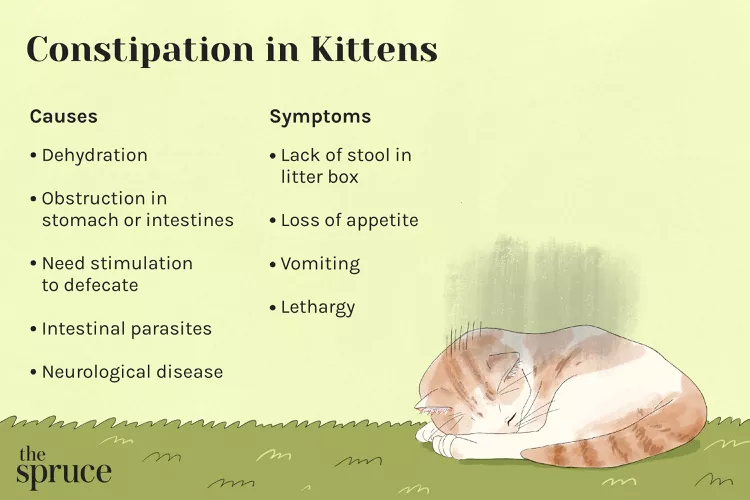
Kitten Constipation: What to Do When You Kitten Can't Poop
Kittens usually experience more diarrhea than constipation, but a kitten that has trouble passing stool, or is not defecating can be just as serious.
How to Take Your Cat's Temperature
Your cat's temperature should be between 100.4 and 102.5 degrees Fahrenheit. Learn how to take its temperature and determine if it has a fever.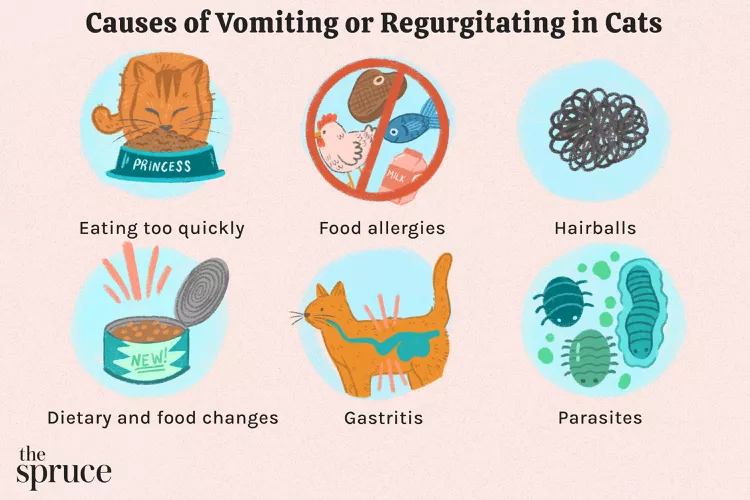
Why Is My Cat Throwing Up Its Food?
Cats throw up food for many reasons, and it may be a sign of a serious illness. Find out why your cat is vomiting undigested food and what to do about it, including when to call the vet.
Asthma in Cats
Cats with asthma may wheeze or cough, and they require medical intervention to manage the condition. Learn the causes, treatment, and prevention.
8 Ways to Help a Blind Cat Keep Safe in Your Home
Blind cats are much like any other cats, except you might want to do some things around the house to help them get around safely.
Are Mums Toxic to Cats?
Mums can be dangerous to cats if they eat them or if they come into contact with the skin. Here's what you need to know about chrysanthemum toxicity in cats, including when to contact the vet.
Glaucoma in Cats
Glaucoma is a disease that creates painful eye pressure in cats. Learn the causes, treatment, and prevention.
Signs of Heat in Cats
A cat in heat will show several physical and behavioral signs. Here's how to tell if your cat is in heat and how to care for her during this time. Learn the signs and how to prevent pregnancy, even if her cycle has begun.

