14 Hypoallergenic Cat Breeds for People With Allergies

40.9K
2.9K
1.4K
2025-11-10
14 Hypoallergenic Cat Breeds for People With Allergies

If you have mild cat allergies and want to be a cat parent, it's still possible to adopt the right feline friend to join your family—simply choose from hypoallergenic cat breeds. Cat allergies are caused by a protein called Fel d 1. When cats groom themselves, Fel d 1 gets on their fur and dander, exposing you to it. While no cat is truly free of allergens, breeds referred to as hypoallergenic have lower levels of the Fel d 1 protein, making them a potentially better option for people with allergies.

Learn more about these 14 hypoallergenic cat breeds.

Tip

Most people who have cat allergies aren’t allergic to a cat’s fur but rather the proteins in their saliva, urine, and dander (skin flakes). Consistently cleaning the areas of your home where your cat spends a lot of time can help reduce some of these allergens.

  • 01 of 14

    Siberian

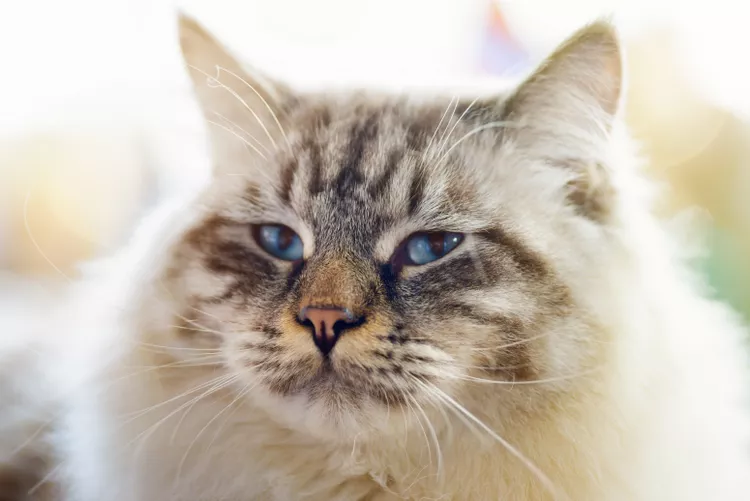
    Because of their triple coat, you might be surprised to learn that the Siberian is considered hypoallergenic. The Siberian cat's claim in the hypoallergenic department stems from the belief that this breed produces relatively little of the Fel d 1 allergen compared to other cats. However, there still is little scientific proof of this. These cats have very thick coats, though they don’t tend to mat or tangle. Weekly brushing is usually all they need.

    Breed Overview

    Height: 9 to 11 inches

    Weight: 10 to 20 pounds

    Coat and Color: Moderately long to long hair; triple coat; course to soft; any color or pattern

    Life Span: 10 to 18 years

  • 02 of 14

    Siamese

    The popular Siamese is also supposed to be a low-allergen cat breed, though there is no definitive scientific evidence to that point. These curious cats sport a low-maintenance coat that doesn’t shed much and only needs weekly brushing. But they generally love to be around their favorite humans as much as possible, which might trigger some people’s allergies.

    Breed Overview

    Height: 8 to 10 inches

    Weight: 8 to 10 pounds

    Coat and Color: Short hair; seal, chocolate, lilac, and blue; colorpoint

    Life Span: Up to 12 years

  • 03 of 14

    Bengal

    If you have allergies, a Bengal can be a good option to consider because, even though they produce the same amount of Fel d 1 as other breeds, their low-maintenance and low-shed coat means they don’t need to groom as much. These wild-looking cats are very affectionate, smart, and playful, with a high energy level.

    Breed Overview

    Height: 13 to 16 inches

    Weight: 12 to 20 pounds

    Coat and Color: Short or long hair; brown tabby, seal mink tabby, black silver tabby, seal silver lynx point, seal sepia tabby, seal silver sepia tabby, seal lynx point, seal silver mink tabby

    Life Span: Up to 15 years

  • 04 of 14

    Russian Blue

    The Russian blue is generally an even-tempered cat breed that anecdotally is good for people with mild cat allergies. Their plush, shimmering coat is somewhat low-shedding and typically only requires weekly brushing. In fact, these quiet and gentle cats often love sitting with their favorite humans to be brushed.

    Breed Overview

    Height: 8 to 10 inches

    Weight: 8 to 12 pounds

    Coat and Color: Short hair; steel blue

    Life Span: Up to 20 years

    Continue to 5 of 14 below
  • 05 of 14

    Sphynx

    Although sphynx cats are commonly described as "hairless," they do have a fine, downy fuzz that feels almost suede-like when stroked. Like all cat breeds, sphynx cats produce dander. But if bathed frequently—which the cat needs anyway to remove excess oil from their skin—the dander's presence can be minimized.

    Breed Overview

    Height: 8 to 10 inches

    Weight: 10 to 12 pounds

    Coat and Color: Peach fuzz; any color and pattern

    Life Span: 8 to 14 years

  • 06 of 14

    Devon Rex

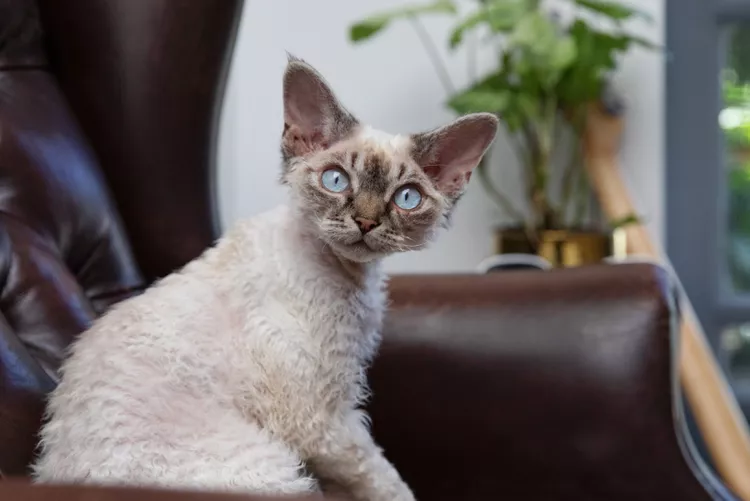
    The Devon rex has a wavy coat that doesn’t tend to shed much, which minimizes the spread of dander and other allergens in your home. These cats are outgoing and playful, and they prefer to be involved in what their humans are doing. So, they aren’t the right choice if you’re away from home a lot.

    Breed Overview

    Height: 10 to 12 inches

    Weight: 8 to 10 pounds

    Coat and Color: Short hair; any color

    Life Span: 9 to 15 years

  • 07 of 14

    Cornish Rex

    Some people believe the short, wavy coat of the Cornish rex doesn't tend to shed as much dander as longhaired cats or cats with dense coats. Rex cats only have a fine undercoat and no topcoat at all. These cats are generally very intelligent and active, with a lot of energy and a preference for being the center of attention, so they aren’t ideal for those looking for a low-maintenance cat.

    Breed Overview

    Height: 12 to 14 inches

    Weight: 6 to 10 pounds

    Coat and Color: Short, curly hair; blue, brown, black, chocolate, cream, red, smoke, and lilac in various patterns

    Life Span: Up to 20 years

  • 08 of 14

    Javanese (Colorpoint Longhair)

    The Javanese resulted from a cross with a Balinese and colorpoint shorthair, creating a Siamese-like cat with long hair and a wider coat color range. These cats don’t have an undercoat, meaning they don’t shed much and only need a weekly brushing. Thus, they spread fewer allergens, which might work for people with mild cat allergies. They also have a great personality; they’re talkative, intelligent, outgoing, and playful. They want a lot of attention, though, so be sure you have the time and energy for this breed. 

    Breed Overview

    Height: 18 to 20 inches

    Weight: 5 to 10 pounds

    Coat and Color: Fine, silky without downy undercoat; lynx point, tortie point, or solid point in cream, fawn, smoke, cinnamon, and red

    Life Span: 10+ years

    Continue to 9 of 14 below
  • 09 of 14

    Balinese

    The Balinese is nearly identical to the Siamese cat breed in most regards, except for their long coat and full plume tail. Despite their coat length, the affectionate and active breed is known for being a low-shedder and just needs a weekly brushing. These cats also might have less of the Fel d 1 protein that causes allergies than many other cats.

    Breed Overview

    Height: 6 to 7 inches

    Weight: 8 to 12 pounds

    Coat and Color: Long hair; creamy white with various color points

    Life Span: 12 to 20 years

  • 10 of 14

    Oriental

    The Oriental is a cross of several cat breeds, including the American shorthair, Abyssinian, and Siamese. These athletic, playful, and intelligent cats are moderate shedders that require brushing a couple of times a week. Rubbing them with a damp cloth also can help to remove dead hair and dander to minimize allergens. 

    Breed Overview

    Height: 8 to 10 inches

    Weight: 6 to 12 pounds

    Coat and Color: Long hair; white, black, chocolate, blue, caramel, red, fawn, apricot, cream, lilac, and cinnamon in colorpoint, tortoiseshell, bicolor, tabby, or solid

    Life Span: Up to 15 years

  • 11 of 14

    Burmese

    Burmese cats don’t shed much, so they aren’t as likely to trigger allergies, and they also don’t require a lot of brushing. These friendly and affectionate cats have high exercise needs, and they are very playful. They enjoy being around people, and love to cuddle. They’ve even been compared to dogs because they are so devoted to their humans.

    Breed Overview

    Height: 9 to 13 inches

    Weight: Up to 14 pounds

    Coat and Color: Short hair; champagne, blue, platinum, and sable variations

    Life Span: Up to 18 years

  • 12 of 14

    Snowshoe

    A hybrid of the American shorthair and Siamese, the Snowshoe has four white paws, a colorpoint coat, and a personality similar to the Siamese. These are very friendly and affectionate cats who get along well with dogs and other cats. They’ll also “talk” to you and can be quite vocal and demanding of attention. Their short coat doesn’t shed much, so they might be an option for those with mild allergies.

    Breed Overview

    Height: 8 to 13 inches

    Weight: Up to 12 pounds

    Coat and Color: Short hair; colorpoint with blue or sable points, white chest, white paws, and white parts of the face

    Life Span: Up to 15 years

    Continue to 13 of 14 below
  • 13 of 14

    Ocicat

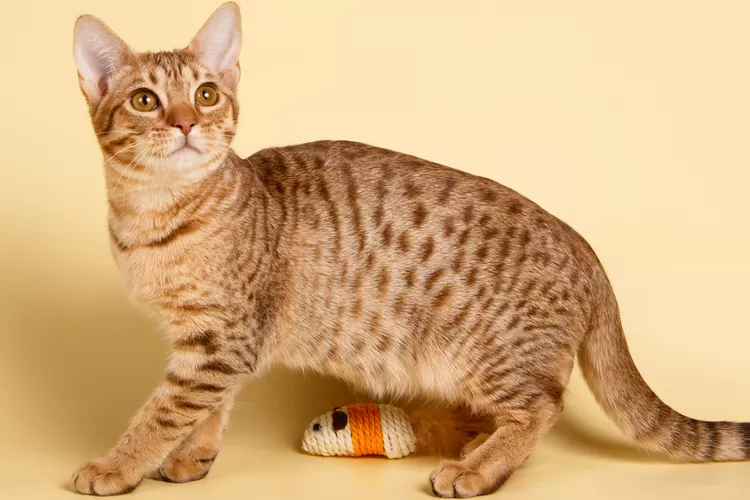
    The beautiful and wild-looking Ocicat is vocal, playful, friendly, and energetic. You can even teach them to do tricks. They might be a good choice for those with allergies to cats because they don’t shed much. Brushing their coat often will also help keep the hair that does shed from getting all over your house. 

    Breed Overview

    Height: 9 to 11 inches

    Weight: Up to 15 pounds

    Coat and Color: Short hair; lavender, silver, blue, fawn, chocolate, or cinnamon

    Life Span: Up to 15 years

  • 14 of 14

    Selkirk Rex

    While the Cornish rex and Devon rex are typically high-energy cats, the Selkirk rex is much more laidback. But like the other rex cats, this breed also has a wavy coat that sheds minimally. Brushing at least a couple of times a week is ideal to remove dead hair and tangles, as well as to limit this cat's ability to spread allergens.

    Breed Overview

    Height: 9 to 11 inches

    Weight: 9 to 16 pounds

    Coat and Color: Short or long hair; any color in various patterns

    Life Span: Up to 15 years

Is There Such a Thing As A Hypoallergenic Cat?

Anecdotal reports claim some breeds might be less likely to trigger allergies. This is in part thanks to their lower-than-average amount of shedding, but most importantly, it comes down to the allergenic proteins that naturally occur in their bodies.

There are a variety of hypoallergenic cats with unique temperaments and appearances, so before welcoming your new pet, it's important to learn about each breed's traits to ensure they're compatible with your household.

Tips For Owning a Hypoallergenic CatTips For Owning a Hypoallergenic Cat

Do plenty of research into hypoallergenic cat breeds to figure out which one is truly right for you. Learn about each breed’s behavioral tendencies, personality, and more. Once you have a breed that you’re interested in, try to meet one of those cats in person to see how you react to them.

Maintain a Clean Home

Even if your cat is considered hypoallergenic, it’s still best to clean your home often to remove any hair and dander that they’ve shed. This can help keep allergic reactions at bay.

Brush Your Cat Often

Brushing your cat to remove loose fur can help prevent it from ending up throughout your home and accumulating over time. Set a schedule to brush your cat regularly, such as once a week or more often.

Consider Your Cat's Diet

Certain cat foods are marketed as helping to reduce allergens, but talk to your veterinarian if you aren’t sure if those foods are right for your pet.

Breeds to Avoid

High-shedding cat breeds tend to be worse for people with allergies because the allergens get trapped in their coats and spread wherever they lose their fur. Some of these high-shedders include:
Article "tagged" as:
Top Articles

Related Article

How Cats Show They Love You
31.2K
311
52

How Cats Show They Love You

Cats show their love in many ways and it usually involves body language and other behaviors. Find out if your cat is trying to tell you they love you.
Why Your Cat Is Meowing So Much—and Other Ways They Seek Your Attention
35K
2.1K
945

Why Your Cat Is Meowing So Much—and Other Ways They Seek Your Attention

Attention-seeking behavior in cats and excessive vocalization often go hand-in-hand. Learn about the types and causes of these behaviors.
Why Do Cats Groom and Lick Themselves So Often?
48.1K
4.3K
2K

Why Do Cats Groom and Lick Themselves So Often?

Cats may spend as much as half their time grooming and licking themselves. What leads to this behavior, and how does it help your cat?
Why Does My Cat Scratch the Floor After Eating?
30.7K
1.5K
767

Why Does My Cat Scratch the Floor After Eating?

Many cats paw at the floor or bury their food. It's a natural behavior, but it's easy to modify.
How to Stop a Cat from Spraying
2K
39
15

How to Stop a Cat from Spraying

Urine spraying, or marking, is different than urinating outside of the litter box. Learn about why cats will urine spray and what to do about it.
Do Cats Cry When They Are Sad or in Pain?
3.8K
150
70

Do Cats Cry When They Are Sad or in Pain?

Cats don't cry the way people do. Your cat can produce tears, but not ones of sadness. Explore the truth behind a cat's emotions and what those tears mean.
How to Train Your Cat to Not Be Mean
31.6K
315
122

How to Train Your Cat to Not Be Mean

Learn about mean cats and angry cat behavior. Understand why cats sometimes hate hugs and learn steps to make cats happy (or happier).
How to Crate Train Your Cat
44.7K
3.6K
1.6K

How to Crate Train Your Cat

Crate training is not just for dogs. Follow these steps to train your cat to the crate so you can have less stressful car rides and vet visits.
Why Cats Stare at You While You Sleep and How to Stop It
9.3K
650
299

Why Cats Stare at You While You Sleep and How to Stop It

Cats are known to stare at humans while they sleep. Find out why and how to stop it.
How to Stop Your Cat From Tracking Litter and Poop
13.4K
400
144

How to Stop Your Cat From Tracking Litter and Poop

While they're generally clean animals, sometimes cats get poop on their paws, and track litter outside the box. Learn how to stop this behavior.
Is My Cat Happy?
8.2K
81
28

Is My Cat Happy?

Cats tell us that they are happy by vocalizing their pleasure, showing their moods by their body language, and plainly acting happy.
How to Stop Your Cat From Pooping in the Sink or Bathtub
40.8K
815
342

How to Stop Your Cat From Pooping in the Sink or Bathtub

It's frustrating and unpleasant when your cat defecates in the sink or tub, but you can stop the unwanted behavior with some of these techniques.
22 Weird Cat Behaviors You're Not Sure About
13.2K
132
51

22 Weird Cat Behaviors You're Not Sure About

Explore 22 weird cat behaviors and why they do them. Many are methods of cat communication, from winking to bunting, rolling, sneering, and kneading.
Understanding the Purring of Cats
8K
643
315

Understanding the Purring of Cats

Get a better understanding of variations on cat purring. Cats purr to communicate and even have special purrs.
What Is Scruffing in Cats?
7.1K
567
90

What Is Scruffing in Cats?

Learn more about the origins of cat scruffing and why you should not be scruffing your cat.
Understanding How Cats Speak Through Ear Movements
10.4K
415
170

Understanding How Cats Speak Through Ear Movements

Cat owners can learn "cat talk" and get a deeper understanding of how cats use their cat ears to communicate different emotions.
Safe Solutions for Indoor Cats That Want to Go Outside
49.5K
2K
673

Safe Solutions for Indoor Cats That Want to Go Outside

Cat lovers who want their cats to enjoy fresh air and sunshine often feel guilt by confining their cats to the indoors. Here are safe compromises.
How to Discipline Your Cat the Right Way
32.2K
643
308

How to Discipline Your Cat the Right Way

Cats are mischievous but sometimes they also misbehave. Learn how to safely and effectively discipline a cat and positively change their behavior.
How to Stop Cats From Biting and Scratching
48.2K
481
177

How to Stop Cats From Biting and Scratching

Cats learn to bite and scratch as kittens and may need to be retrained when they grow older. These behaviors can be changed with time and patience.
Reasons Why a Cat Doesn't Meow
49.1K
2.9K
1K

Reasons Why a Cat Doesn't Meow

When a cat doesn't meow, it is often just natural behavior, but when its silence is accompanied by other symptoms, have a vet examine your pet.
Top 10 Big House Cats
20.3K
405
145

Top 10 Big House Cats

Larger cat breeds, like Maine coons and savannahs, deserve just as much love as their petite counterparts. These big house cats tip the scales.
Toyger: Cat Breed Profile, Characteristics & Care
25K
2.5K
949

Toyger: Cat Breed Profile, Characteristics & Care

The toyger (toy tiger) cat is a beautiful, rare breed with an easygoing demeanor. These cats are hard to come by but make excellent pets.
Elf Cat: Breed Profile, Characteristics & Care
31.2K
1.9K
748

Elf Cat: Breed Profile, Characteristics & Care

Elf cats are a new, rare cross between a sphynx and American curl with curly ears and a playful personality.
American Wirehair: Breed Profile, Characteristics & Care
46.3K
462
73

American Wirehair: Breed Profile, Characteristics & Care

The rare American wirehair breed has a distinctive wiry coat and quiet, gentle demeanor. Learn about the American wirehair breed.
Turkish Angora: Cat Breed Profile, Characteristics & Care
49K
4.9K
882

Turkish Angora: Cat Breed Profile, Characteristics & Care

The elegant and silky Turkish Angora cat is a playful, affectionate, and sometimes mischievous pet. Learn about the Turkish Angora breed.
Himalayan: Cat Breed Profile, Characteristics & Care
35.7K
3.2K
770

Himalayan: Cat Breed Profile, Characteristics & Care

Himalayan cats—crosses of Persian and Siamese breeds—are sweet felines with silky hair. They're great pets if you're willing to care for their coat.
Ocicat: Breed Profile, Characteristics & Care
11.6K
232
51

Ocicat: Breed Profile, Characteristics & Care

The ocicat has wild markings, but it is a completely domestic cat that loves to socialize and play. Learn about the ocicat breed.
10 Popular Cat Breeds for Many Types of Households
35.3K
1.1K
201

10 Popular Cat Breeds for Many Types of Households

Discover 10 of the most popular cat breeds, including the Maine coon and ragdoll. Learn which types of cats are right for your lifestyle.
9 Calmest Cat Breeds for Laid-Back People
25.9K
1K
476

9 Calmest Cat Breeds for Laid-Back People

Calm cat breeds like the Persian and ragdoll are ideal for people who like a mellow pet. Meet nine of the calmest cat breeds.
Persian Cat: Breed Profile, Characteristics & Care
21.6K
649
123

Persian Cat: Breed Profile, Characteristics & Care

The Persian cat is sweet, laid-back, and regal, with a luxurious long coat. Learn more about this long-cherished cat breed.
Mixed-Breed Cat (Moggy): Breed Profile, Characteristics & Care
2.5K
247
32

Mixed-Breed Cat (Moggy): Breed Profile, Characteristics & Care

"Mixed-breed" is a catch-all term for cats without pedigrees. Called moggies in the UK, these cats make perfect pets. Learn about the mixed-breed cat.
7 Hybrid Cats Breeds
9.7K
876
210

7 Hybrid Cats Breeds

Hybrid cat breeds can make appealing pets since they look more exotic than domestic house cats, but they aren't for everyone.
Japanese Bobtail: Cat Breed Profile, Characteristics & Care
5.8K
289
40

Japanese Bobtail: Cat Breed Profile, Characteristics & Care

The Japanese bobtail is recognized for its bunny-like tail and is loved for its friendly, playful personality. Learn about the Japanese bobtail breed.
10 Cat Breeds That Are Rare to Find
3K
59
25

10 Cat Breeds That Are Rare to Find

Most house cats in the U.S. are not pedigreed or purebred, so even the most common breeds are rare. Take a look at the rarest of the purebreds.
Ragamuffin: Cat Breed Profile
4.4K
444
115

Ragamuffin: Cat Breed Profile

Learn about the personality, history, and care for Ragamuffin cats.
How to Know When to Call the Vet for Your Cat
19.5K
194
69

How to Know When to Call the Vet for Your Cat

How to know when to call your veterinarian for your cat.
How to Tell if a Cat Is Pregnant
41.7K
833
133

How to Tell if a Cat Is Pregnant

Could your cat be pregnant? Learn about the signs of pregnancy in cats. If you spot these telltale signs, it may be time to schedule a vet appointment. Here's how to tell if your cat is pregnant.
Are Tulips Toxic to Cats?
15K
150
48

Are Tulips Toxic to Cats?

Tulips are one of many flowers that are toxic to cats. Learn the dangers, what to do in the case of ingestion, and how to keep your cat safe from tulip toxicity.
Constipation in Cats
13.9K
139
23

Constipation in Cats

Constipation in cats is a common, but uncomfortable, digestive disturbance. Find out what causes cat constipation and its treatment and prevention.
Feline Immunodeficiency Virus (FIV) in Cats
13.7K
1.4K
506

Feline Immunodeficiency Virus (FIV) in Cats

FIV is a common and potentially deadly feline disease. With good veterinary care, though, cats with FIV can survive many years after diagnosis.
How to Help a Pregnant Cat Give Birth
48K
1.4K
389

How to Help a Pregnant Cat Give Birth

Your pregnant cat may be able to give birth with no problems. However, if trouble arises, knowing in advance what to look for will help the process.
Can Indoor Cats Get Fleas?
40K
3.6K
1.4K

Can Indoor Cats Get Fleas?

It may be surprising to learn that indoor cats can and do get fleas too. Learn what to look for and how to treat these itchy pests.
Kitten Constipation: What to Do When You Kitten Can't Poop
12.3K
615
239

Kitten Constipation: What to Do When You Kitten Can't Poop

Kittens usually experience more diarrhea than constipation, but a kitten that has trouble passing stool, or is not defecating can be just as serious.
How to Take Your Cat's Temperature
32K
3.2K
607

How to Take Your Cat's Temperature

Your cat's temperature should be between 100.4 and 102.5 degrees Fahrenheit. Learn how to take its temperature and determine if it has a fever.
Why Is My Cat Throwing Up Its Food?
1.3K
51
16

Why Is My Cat Throwing Up Its Food?

Cats throw up food for many reasons, and it may be a sign of a serious illness. Find out why your cat is vomiting undigested food and what to do about it, including when to call the vet.
Asthma in Cats
26.8K
1.3K
201

Asthma in Cats

Cats with asthma may wheeze or cough, and they require medical intervention to manage the condition. Learn the causes, treatment, and prevention.
8 Ways to Help a Blind Cat Keep Safe in Your Home
37K
1.5K
710

8 Ways to Help a Blind Cat Keep Safe in Your Home

Blind cats are much like any other cats, except you might want to do some things around the house to help them get around safely.
Are Mums Toxic to Cats?
16.7K
1.3K
414

Are Mums Toxic to Cats?

Mums can be dangerous to cats if they eat them or if they come into contact with the skin. Here's what you need to know about chrysanthemum toxicity in cats, including when to contact the vet.
Glaucoma in Cats
10K
99
28

Glaucoma in Cats

Glaucoma is a disease that creates painful eye pressure in cats. Learn the causes, treatment, and prevention.
Signs of Heat in Cats
34.1K
2K
409

Signs of Heat in Cats

A cat in heat will show several physical and behavioral signs. Here's how to tell if your cat is in heat and how to care for her during this time. Learn the signs and how to prevent pregnancy, even if her cycle has begun.