As the cold season approaches, keeping your home warm and comfortable while also saving on heating costs becomes a top priority for many. Fortunately, there are several effective updates you can try to achieve this goal. Let's explore some practical and cost - effective ways to make your home toasty without breaking the bank.
One of the first areas to focus on is insulation. Proper insulation is like a warm blanket for your home, preventing heat from escaping. Start with your attic. Many older homes have inadequate attic insulation, which can lead to significant heat loss. You can add more insulation to the attic floor. Fiberglass batts are a popular and relatively inexpensive option. They are easy to install, and you can find them in various thicknesses. Just make sure to wear protective gear such as gloves, goggles, and a mask when handling fiberglass.
Another crucial part of insulation is sealing air leaks. Air leaks around windows, doors, pipes, and electrical outlets can let cold air in and warm air out. Use caulk to seal small cracks and gaps around windows and doors. For larger gaps, you can use expanding foam insulation. Check the weatherstripping on your doors and windows as well. If it's worn out, replace it. A simple door sweep can also prevent cold air from seeping in under the door.
Upgrading your windows can also have a big impact on your home's energy efficiency. Single - pane windows are notorious for heat loss. Consider replacing them with double - or triple - pane windows. These windows have multiple layers of glass with a layer of gas in between, which provides better insulation. Although the initial cost of window replacement can be high, it can lead to significant long - term savings on heating bills.
Your heating system also plays a vital role. Have your furnace or boiler serviced regularly. A well - maintained heating system operates more efficiently. Replace the air filters in your furnace every one to three months, depending on usage. A dirty filter restricts airflow, making the furnace work harder and consume more energy. You can also consider upgrading to a programmable thermostat. With a programmable thermostat, you can set different temperatures for different times of the day. For example, you can lower the temperature when you're at work or asleep and raise it just before you wake up or return home.
Adding area rugs to your floors can also help keep your home warmer. Hardwood and tile floors can feel cold underfoot, and they also conduct heat away from the room. Area rugs act as an extra layer of insulation, making the room more comfortable. You can choose rugs in different styles and sizes to match your home decor.
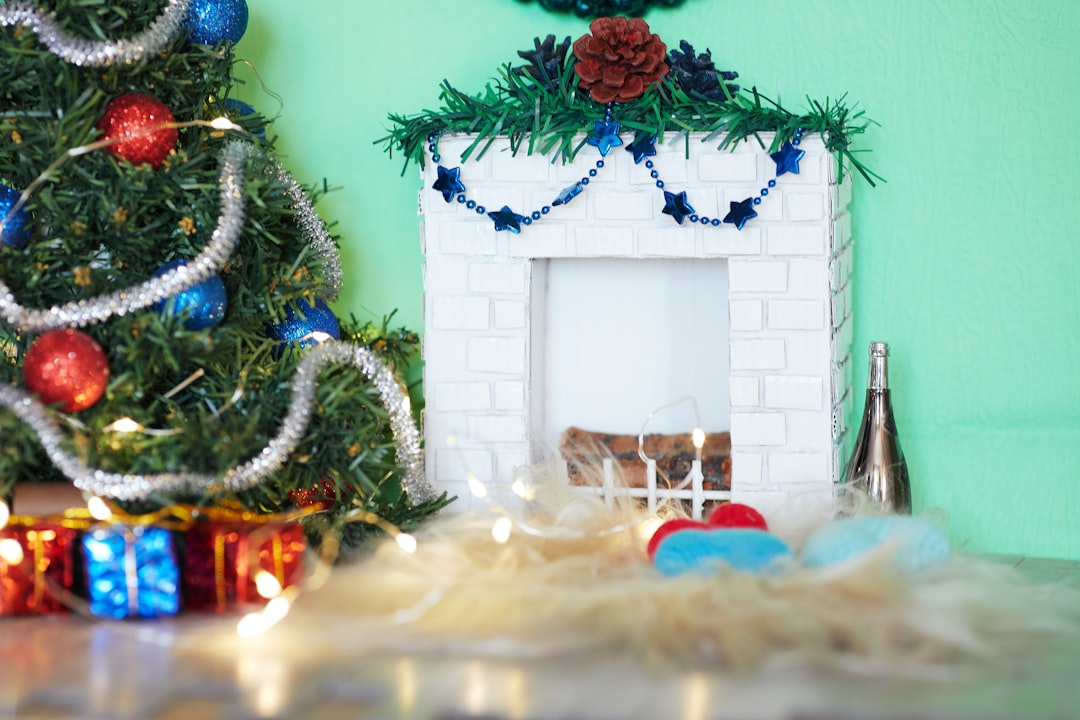
Finally, don't forget about your fireplace. If you have a traditional wood - burning fireplace, it can actually suck warm air out of your home through the chimney. Install a glass fireplace door to close off the fireplace when it's not in use. This prevents warm air from escaping up the chimney. You can also consider using a gas - powered fireplace insert, which is more energy - efficient and can provide a good source of heat.
In conclusion, by implementing these updates, you can keep your home toasty and save on heating costs. It may require some upfront investment and effort, but the long - term benefits are well worth it. Not only will you enjoy a warmer and more comfortable home, but you'll also do your part in conserving energy and reducing your carbon footprint.