Concerns Rise as Cat Food Recalled Due to Bird Flu Contamination
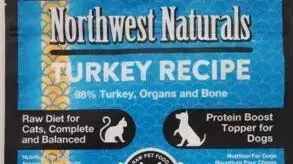
In a recent development, Northwest Naturals has issued a recall on certain batches of cat food across multiple states following an incident involving the avian influenza virus. This precautionary measure comes amid growing national concerns about the spread of bird flu, which has already affected both humans and animals. The company reported one confirmed case where a domestic cat fell ill and subsequently died after consuming the contaminated product. Authorities are advising pet owners to be vigilant and check their pet food for specific batch dates.
Details of the Recall and Its Implications
On December 24th, Northwest Naturals announced a recall affecting two-pound bags of its Feline Turkey Recipe with best-by dates between May 21, 2026, and June 23, 2026. The affected product was distributed in several states including Arizona, California, Colorado, Florida, Georgia, Illinois, Maryland, Michigan, Minnesota, Pennsylvania, Rhode Island, and Washington, as well as British Columbia in Canada. Oregon Department of Agriculture State Veterinarian Ryan Scholz stated that there is strong evidence linking the cat's illness to consumption of this particular brand of raw and frozen pet food.
The timing of this recall coincides with heightened awareness surrounding the bird flu outbreak. Recently, Mississippi confirmed the presence of highly pathogenic H5N1 in commercial chicken flocks, while Louisiana reported the first severe human case of avian influenza in the United States. These events underscore the broader implications of the virus spreading through various animal populations and potentially impacting public health and the food supply chain.
Pet owners who have purchased the recalled items are urged to return them to the point of purchase for a full refund. This situation serves as a reminder of the importance of monitoring pet food safety and staying informed about potential risks associated with zoonotic diseases like bird flu.
From a reader's perspective, this incident highlights the need for increased vigilance when it comes to pet care and food safety. It also emphasizes the interconnectedness of human, animal, and environmental health. As we continue to navigate these challenges, maintaining open lines of communication between regulatory bodies, manufacturers, and consumers will be crucial in ensuring the well-being of all living beings.